ProGear Sport
1 / 5
| Model NO. | PCG-C |
| Method | Biological Treatment |
| Usage | Industrial, Home, Agriculture, Aquaculture |
| Material | Polyurethane Porous Gel |
| Specific Surface Area | ≥380,000 m²/m³ |
| Nitrification Efficiency | 12~25 |
| Expansion Ratio | 190 ± 18% (1:2.2 Post-Swelling) |
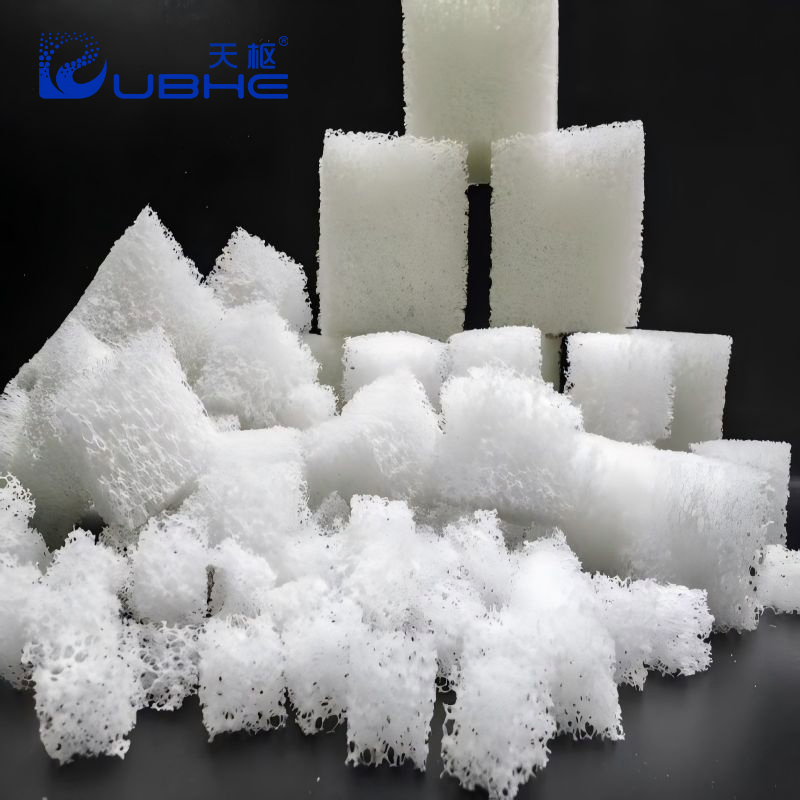
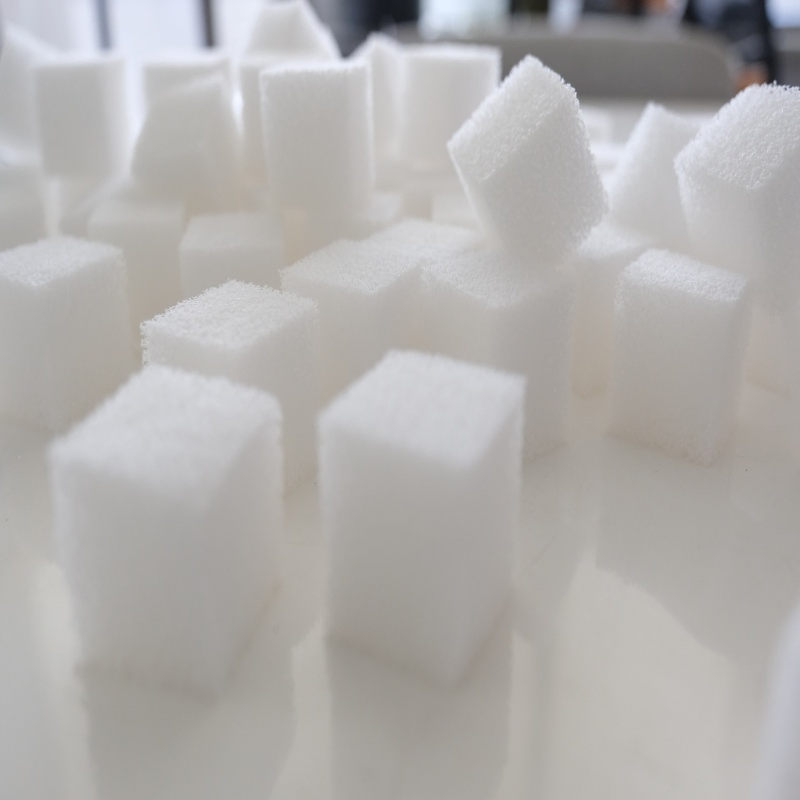
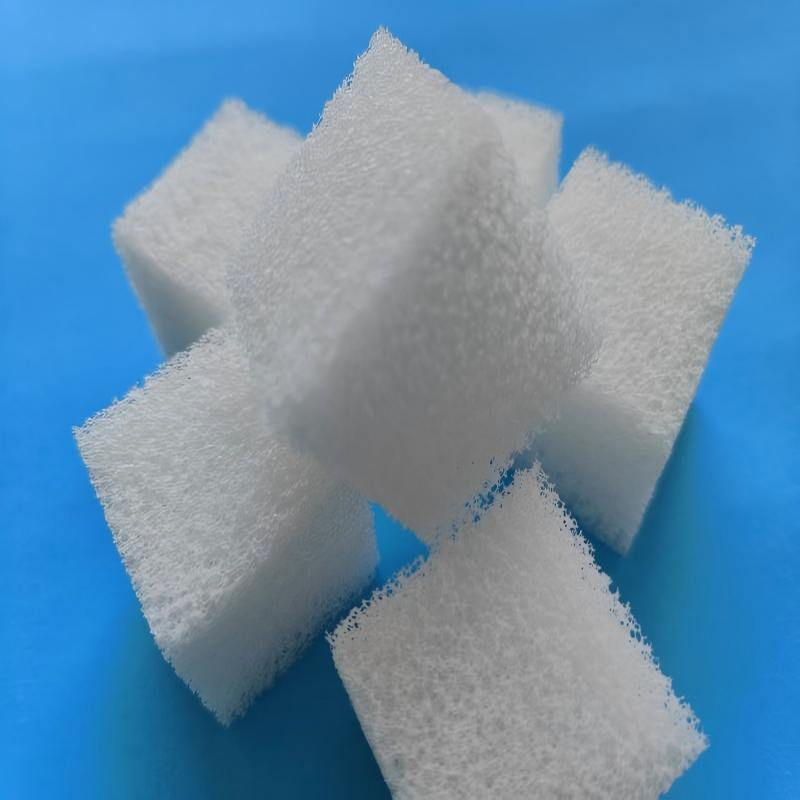
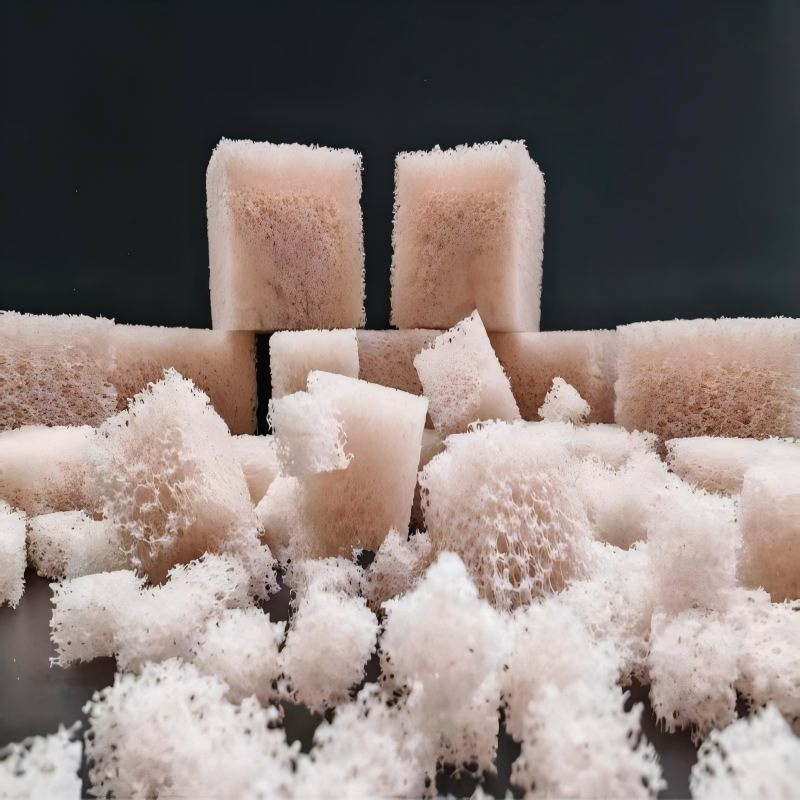
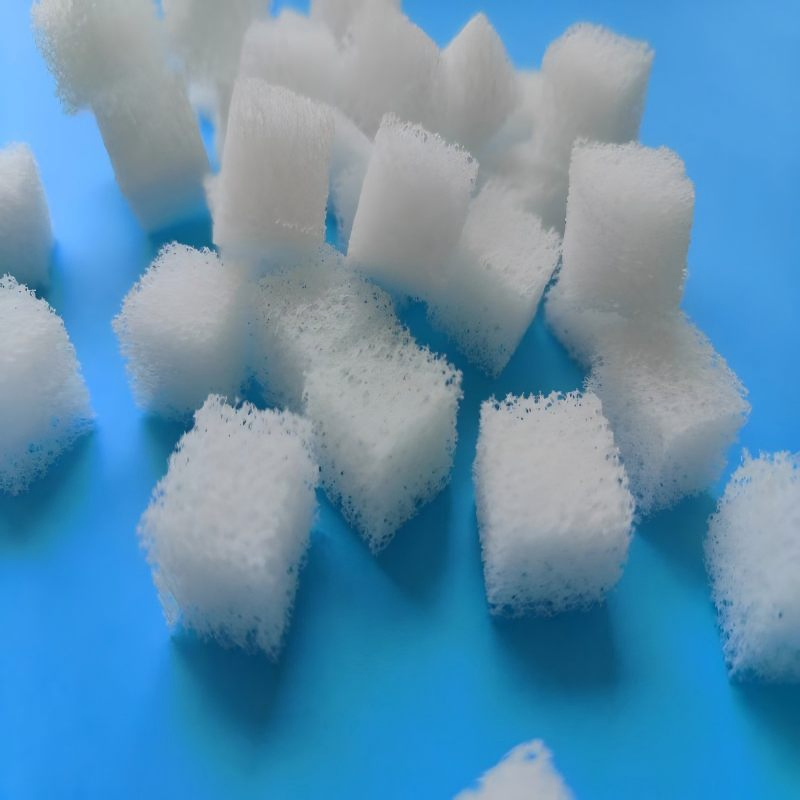
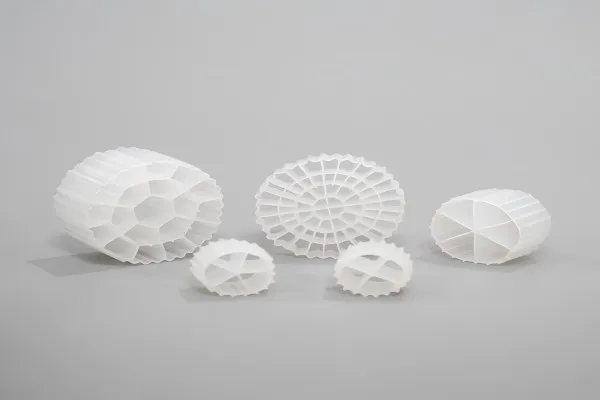
PCG Bio-Filler (PCG-C Semiconductor-Grade Hydrogel Bio-Carrier)
Our innovative hydrogel-iron composite biofilter media represents a quantum leap in biological wastewater treatment, specifically engineered to address the most challenging contaminants including ammonia nitrogen, total phosphorus, and recalcitrant organic pollutants.
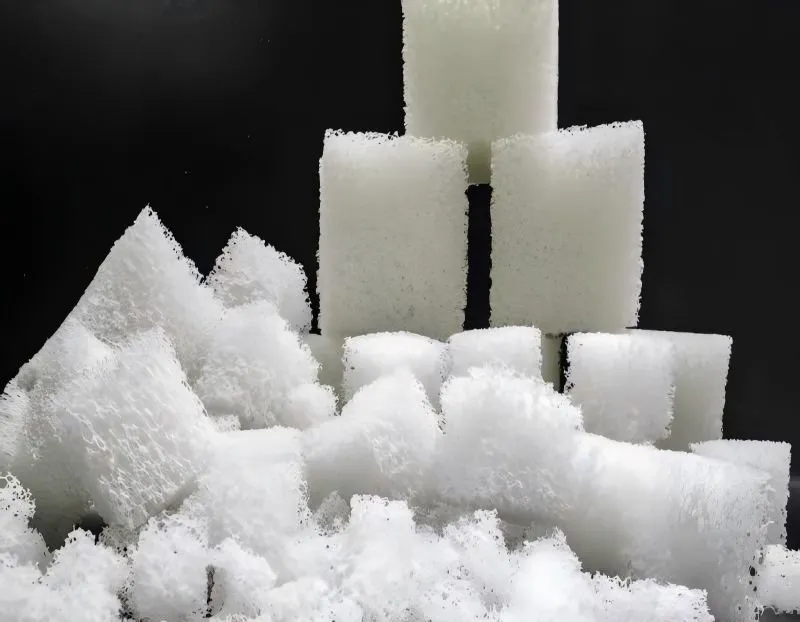
| Description | Specification |
|---|---|
| Material | Polymer Composite Material |
| Dimension | 10±1mm, 20±2mm |
| Porosity | 98% |
| Hanging Time | 3-7 days |
| Service Life | ≥15 Years |
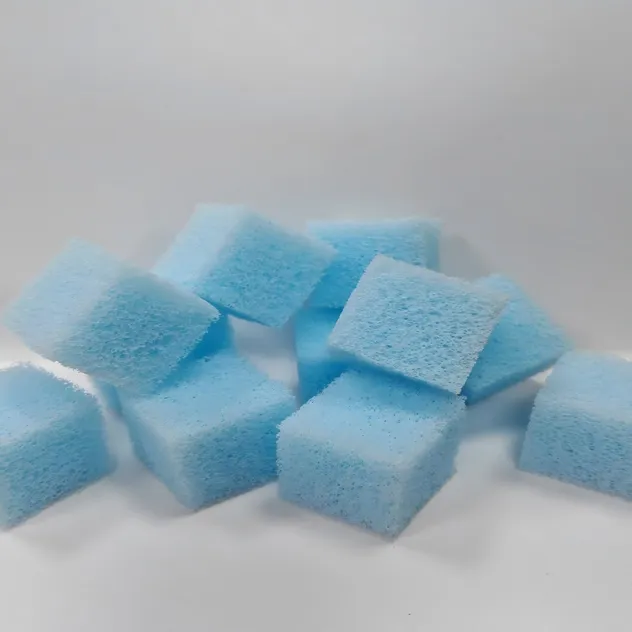
Good Hydrophilicity: No oil adsorption, easy to absorb water, and fast settling.
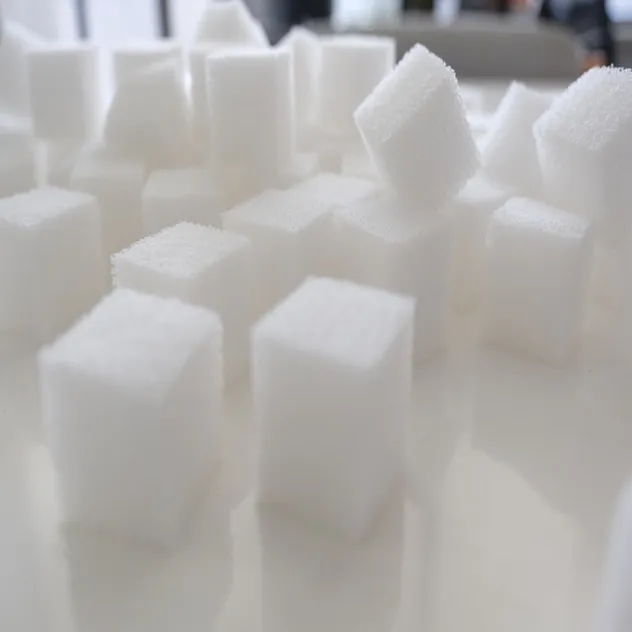
High Capacity: Special wall structure with abundant biofilm capacity for synchronized nitrification.
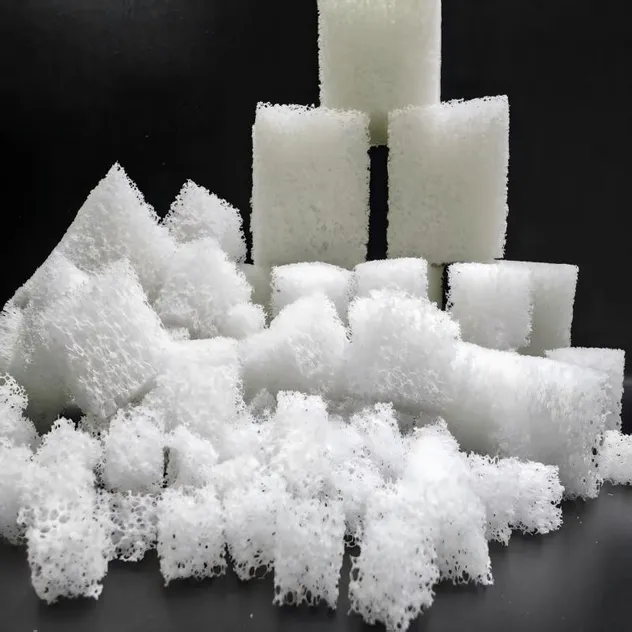
Low Sludge Volume: Long sludge retention time and minimization of residual sludge.
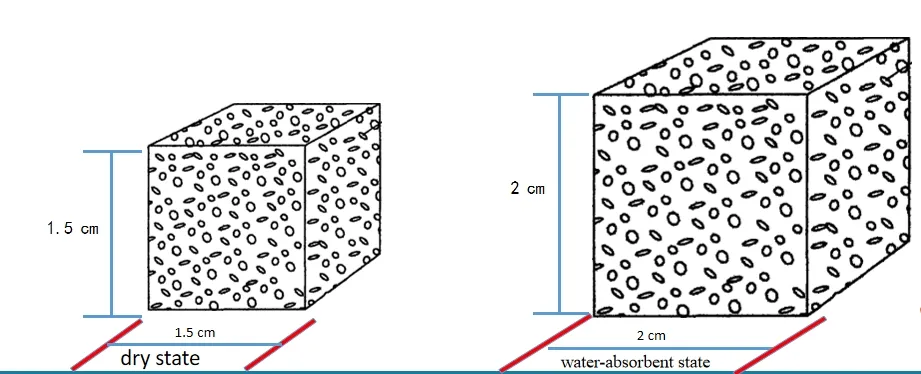
The volume ratio before and after expansion is approximately 1:2.2.
Each unit is individually wrapped and placed in sturdy cardboard boxes. For larger orders, units are palletized and shrink-wrapped. We offer shipping via air, sea, or ground transportation with trusted partners.

A: PCG offers a larger surface area, better oxygen transfer, and faster biofilm growth due to its hydrophilic properties.
A: Under normal conditions, PCG lasts over 15 years without significant wear or degradation.
A: Yes, it is versatile and adaptable to both aerobic and anaerobic environments.
A: The filling ratio typically ranges from 10% to 30%, depending on the specific water treatment system design.
A: Yes, it performs exceptionally well in saline conditions, making it ideal for seafood processing and specific industrial effluents.
A: It is designed for low maintenance with high abrasion resistance, ensuring stable operation within the recommended pH range of 6-10.