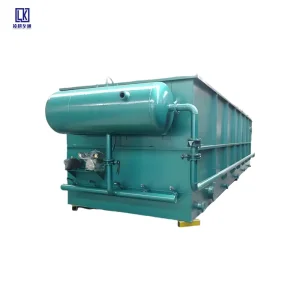
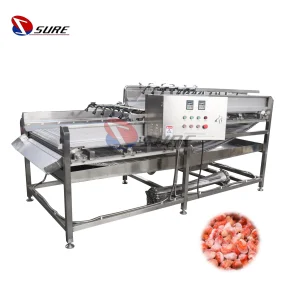
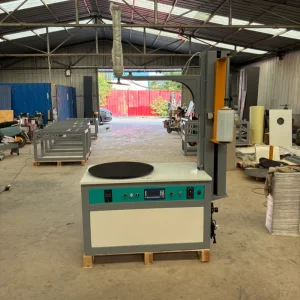
Basic Information
Product Name
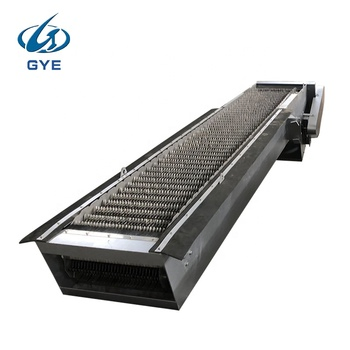
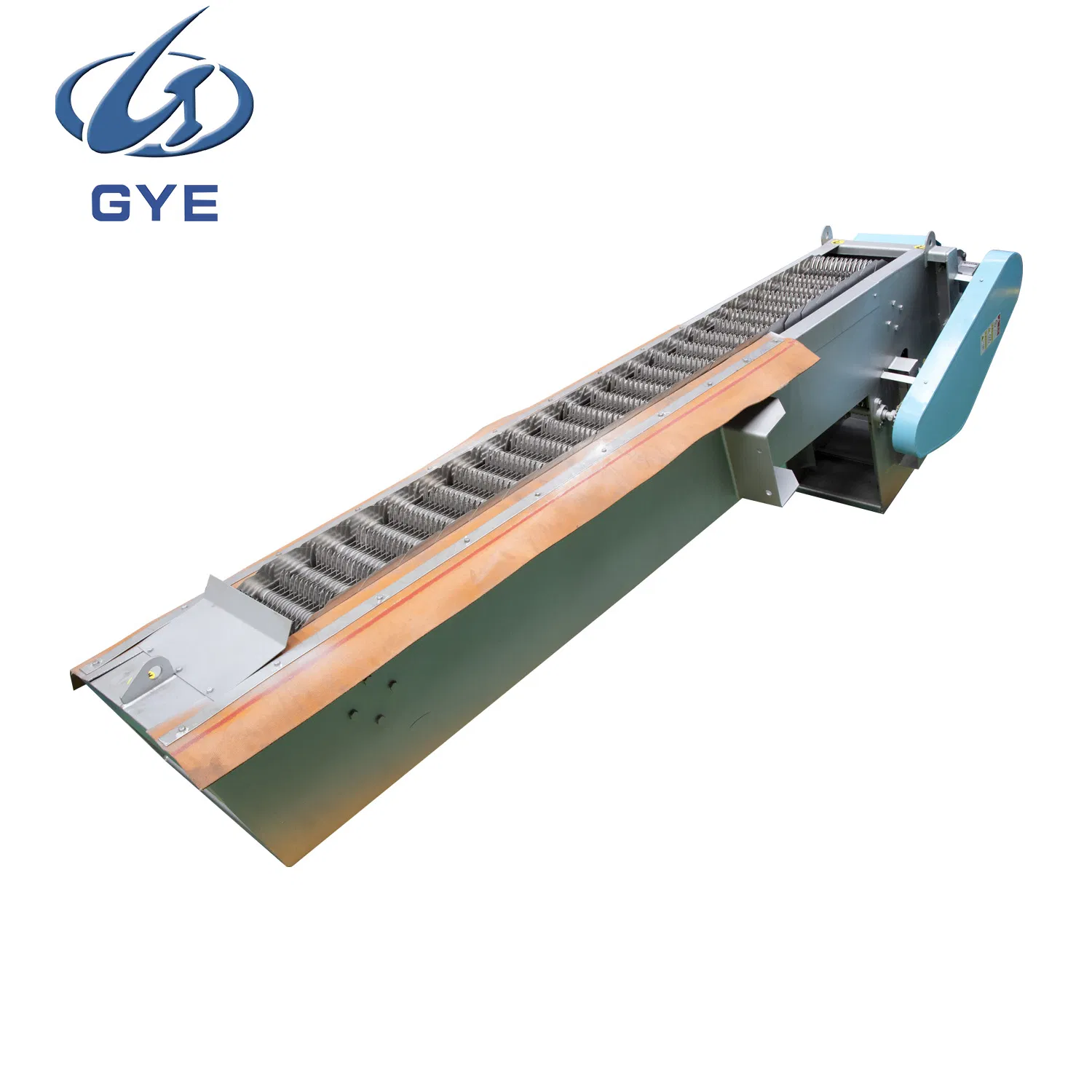
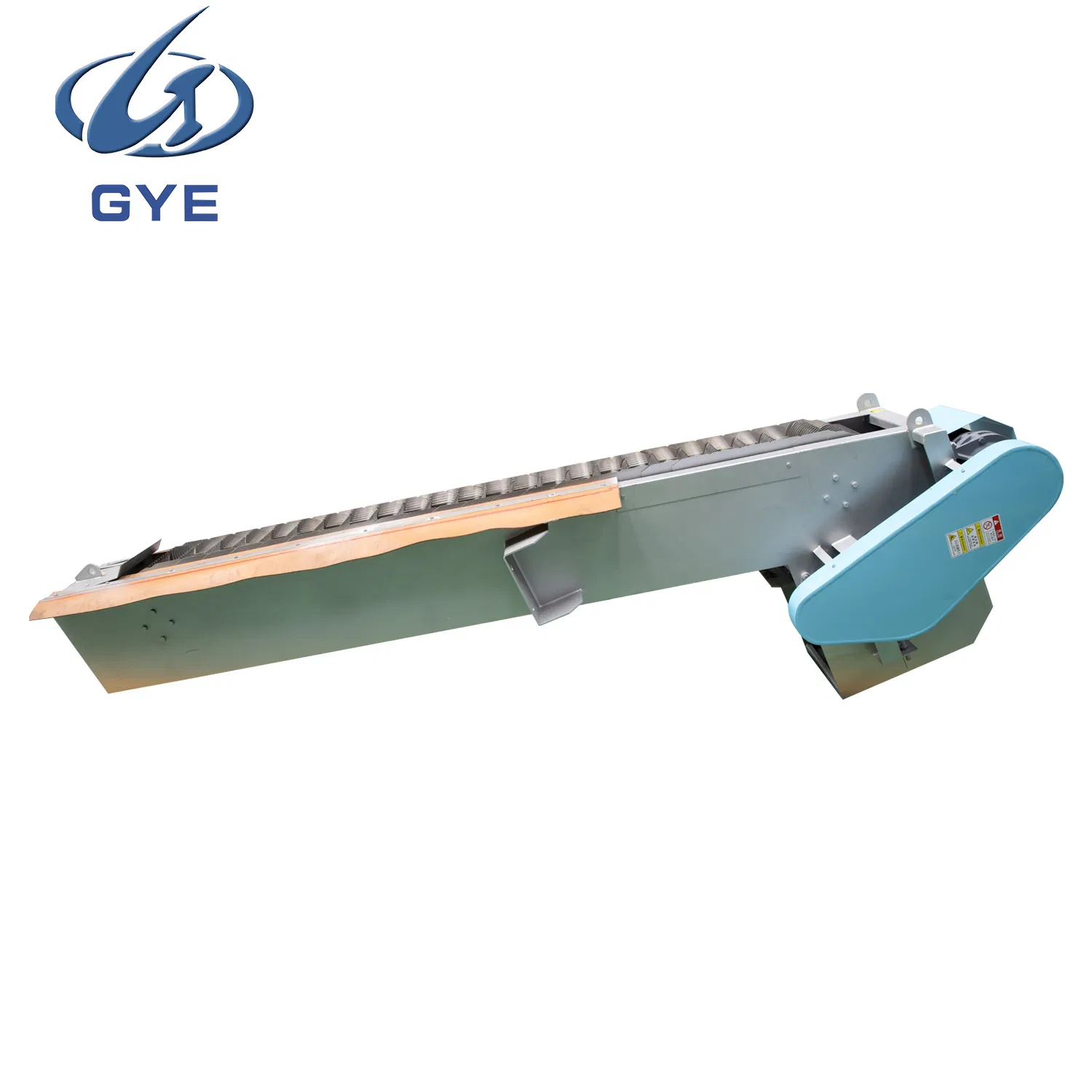
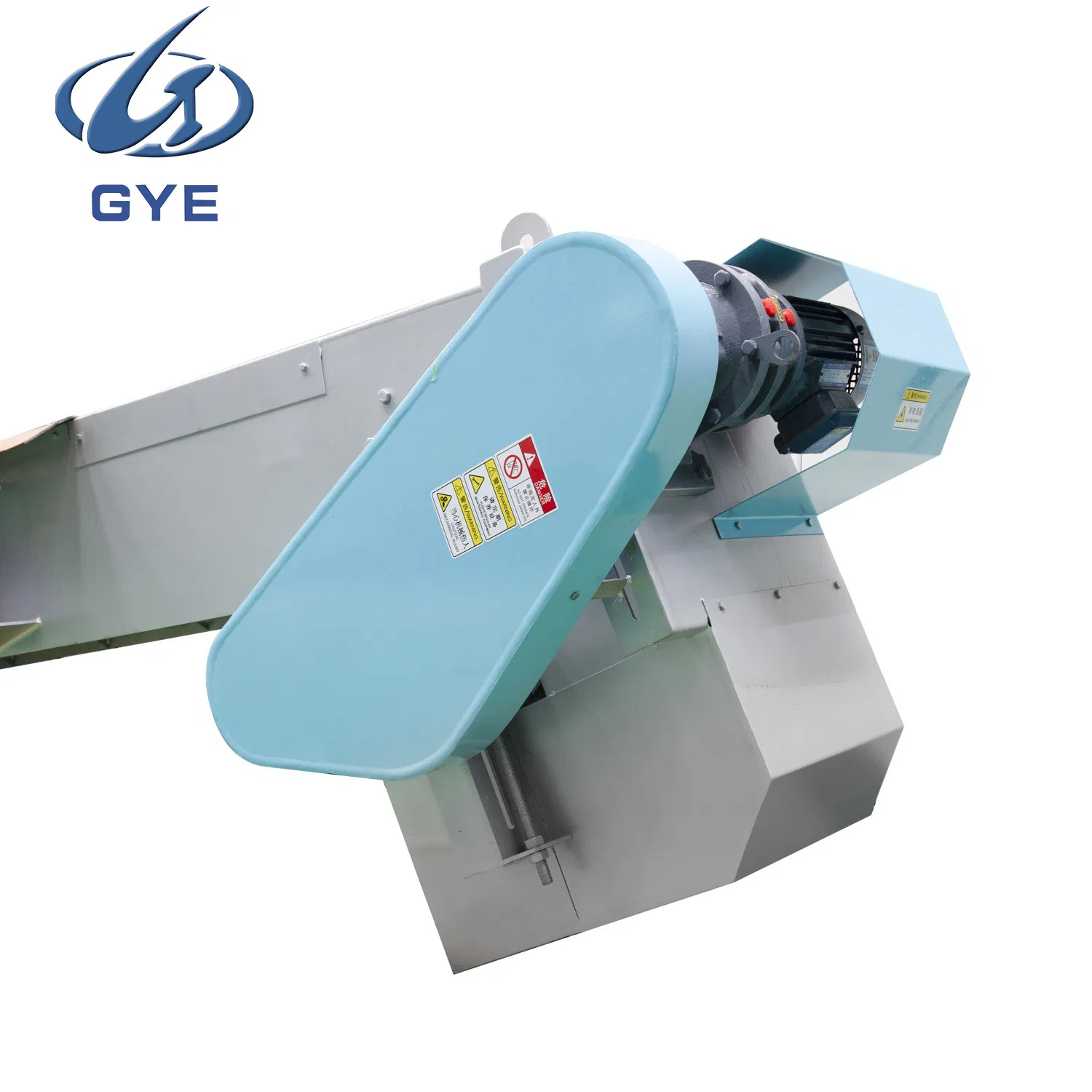
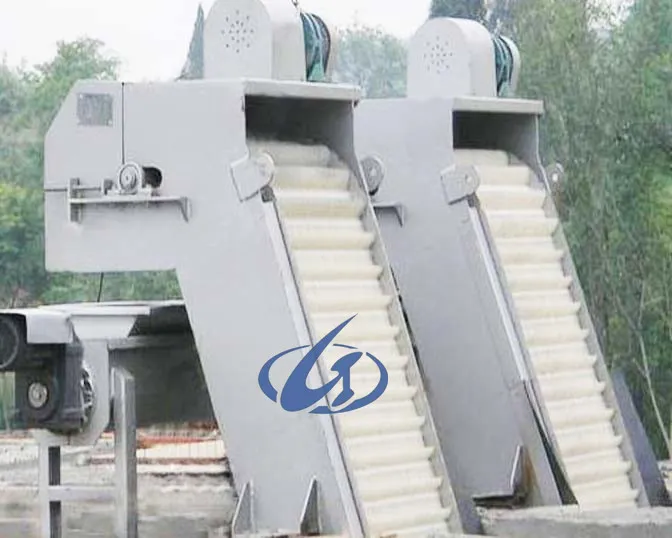
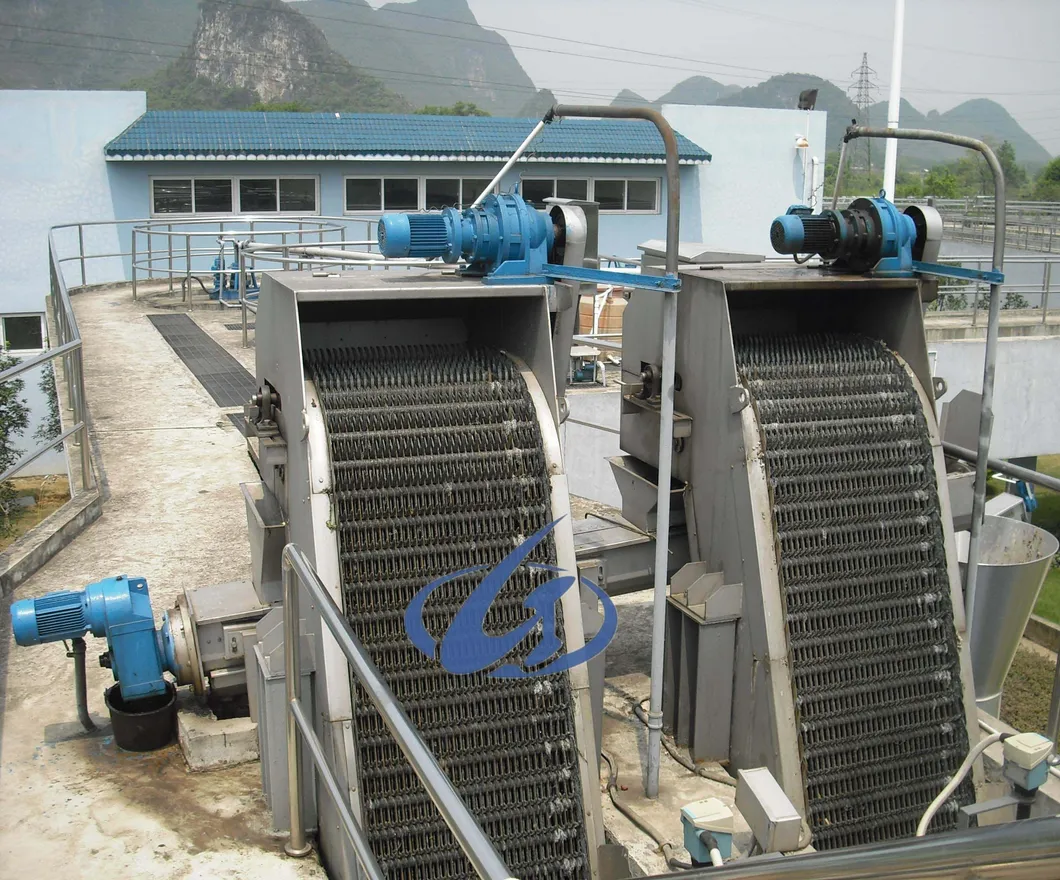
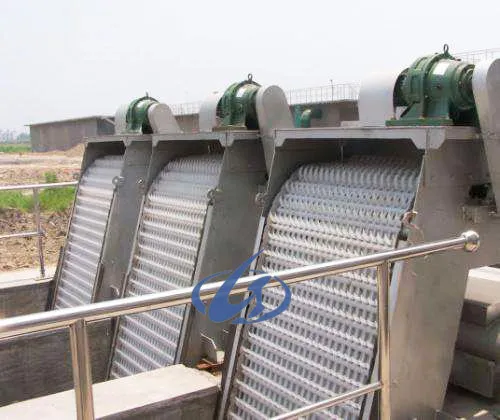
Fh Type Mechanical Bar Screen
Usage
Industrial, Hospital
Treatment Capacity
30-500m3/Hour
Material
Carbon Steel / SS304 / SS316L
Application
Wastewater Treatment
Function
Solid-Liquid Separation
Product Description
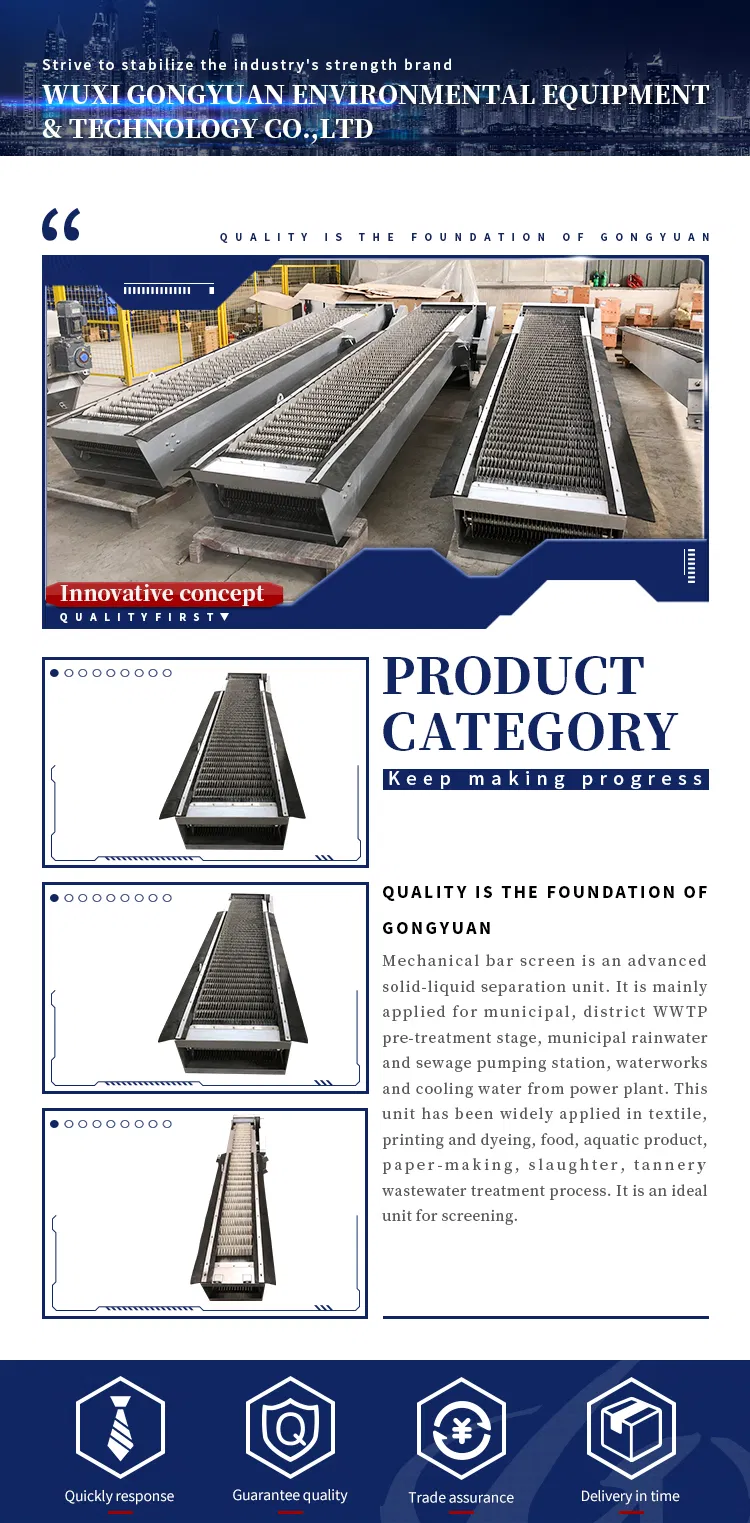
Mechanical bar screen is an advanced solid-liquid separation unit. It is mainly applied for municipal, district WWTP pre-treatment stage, municipal rainwater and sewage pumping station, waterworks and cooling water from power plant. This unit has been widely applied in textile, printing and dyeing, food, aquatic product, paper-making, slaughter, tannery wastewater treatment process. It is an ideal unit for screening.
Working Theory
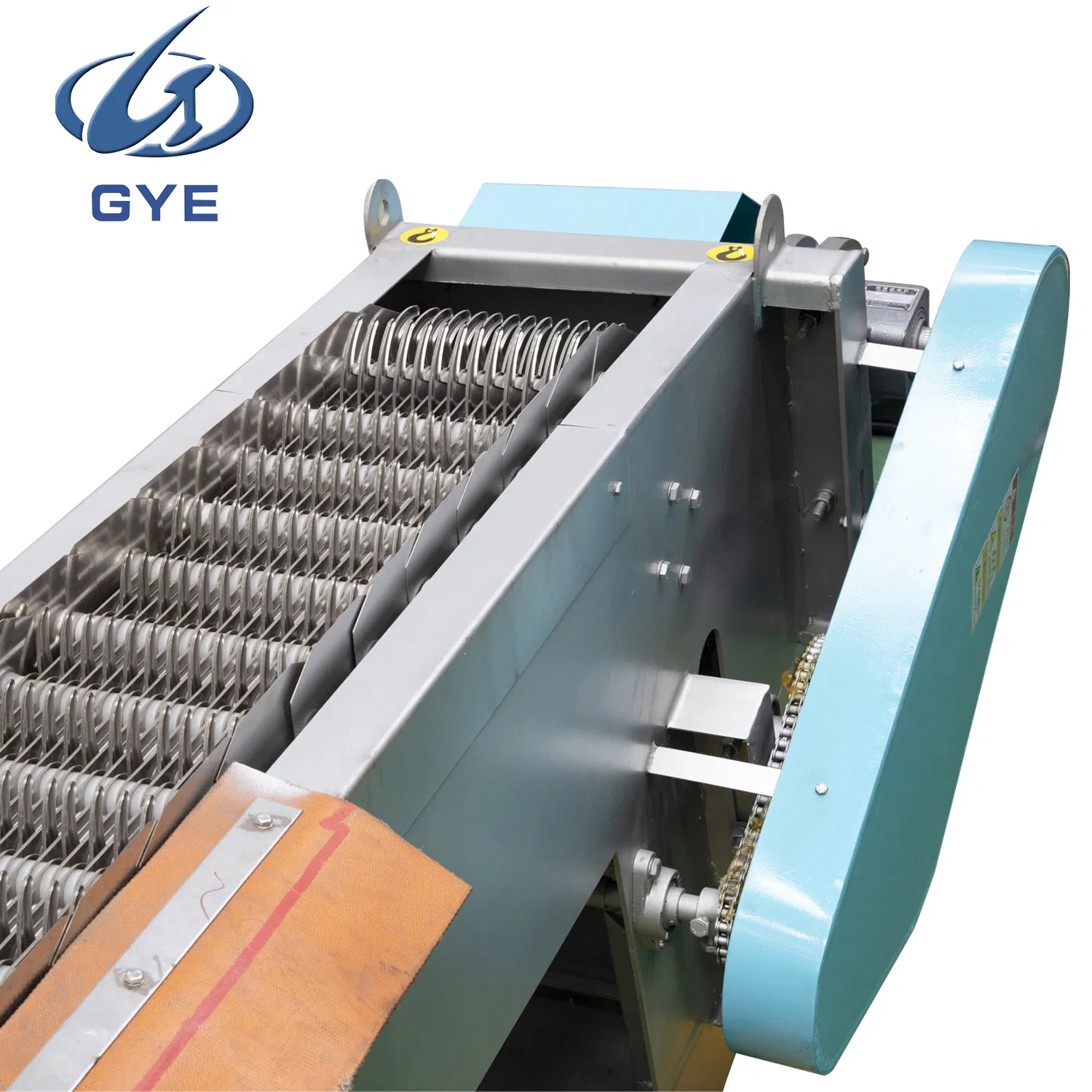
This unit adopts rotary type, several plow-shaped rake will be installed on the shaft, forming rake chains. According to the water flow volume, the bar screen will have different spaces or gaps installed on the front of the pump station or water treatment system. When the drive mechanism move from bottom to top with rake chains, the debris will be taken out from the rake chains, while the liquid will flow through screen gap. When the unit rotates into the top, the rake chain will revert its running direction, moving from top to bottom. The matters will fall off from the rake chains. When the rake rotates into the bottom from the opposite side, it will re-start for continuous running.
Key Features
⚙️
High Automation
Continuous and stable running without constant manual supervision.
⚡
Low Energy
High separation efficiency with minimal power consumption and no noise.
🛡️
Overload Protection
Mechanical over-load safety protection with shear pins to prevent accessory damage.
💧
Self-Cleaning
Reliable design ensures strong self-cleaning ability with no blocking phenomena.
Technical Data Sheet
| Model |
Power |
Water flow volume (m³/h) |
Screen Width (B1) |
Channel Width (B) |
| 1mm |
3mm |
5mm |
10mm |
15mm |
| FH-300 | 0.37KW | 150 | 300 | 450 | 460 | 460 | 300 | 400 |
| FH-400 | 0.37KW | 170 | 340 | 420 | 510 | 540 | 400 | 500 |
| FH-500 | 0.55KW | 240 | 480 | 590 | 730 | 750 | 500 | 600 |
| FH-600 | 0.55KW | 308 | 620 | 764 | 920 | 960 | 600 | 700 |
| FH-700 | 0.55KW | 360 | 720 | 930 | 1124 | 1160 | 700 | 800 |
| FH-800 | 0.75KW | 440 | 880 | 1080 | 1330 | 1420 | 800 | 900 |
| FH-900 | 0.75KW | 550 | 1024 | 1250 | 1450 | 1580 | 900 | 1000 |
| FH-1000 | 0.75KW | 580 | 1160 | 1450 | 1760 | 1830 | 1000 | 1100 |
| FH-1100 | 1.1KW | 650 | 1310 | 1670 | 2000 | 2080 | 1100 | 1200 |
| FH-1200 | 1.1KW | 710 | 1470 | 1750 | 2080 | 2250 | 1200 | 1300 |
| FH-1300 | 1.5KW | 780 | 1560 | 1820 | 2160 | 2310 | 1300 | 1400 |
Industry Applications
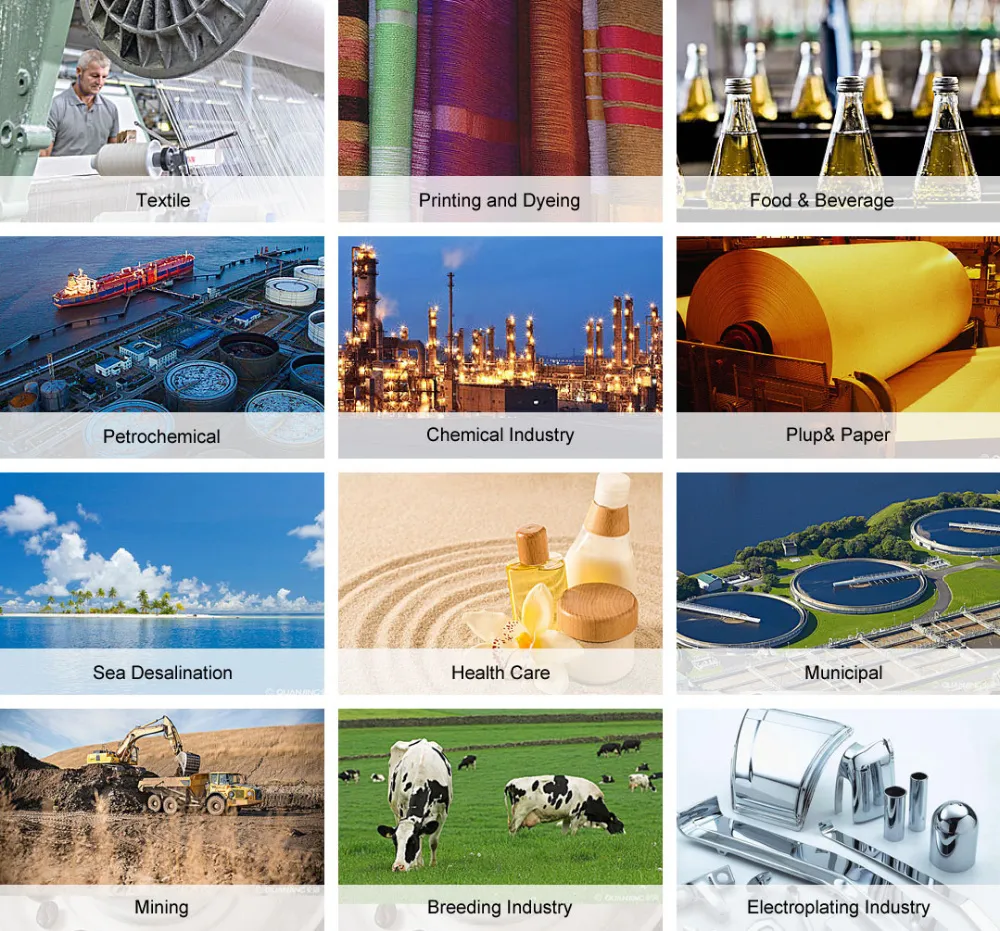
- 🔹 Paper-making: Recycling of fiber, removing solids.
- 🔹 Tannery: Removing of feather, oil and grease.
- 🔹 Slaughterhouse: Removing of bag, fur, grease and feces.
- 🔹 Municipal: Wastewater treatment and debris removal.
- 🔹 Food & Alcohol: Removal of vegetable fibre, hulls, and groceries.
Frequently Asked Questions
Q1: What is the main function of a mechanical bar screen?
A: It is primarily used for solid-liquid separation in wastewater treatment, effectively removing debris and solids from the liquid flow.
Q2: Which materials are available for the equipment?
A: The unit can be manufactured using Carbon Steel, Stainless Steel 304, or Stainless Steel 316L, depending on the corrosion resistance required.
Q3: How does the equipment handle overloading?
A: It features a mechanical safety protection mechanism. In case of a fault or overload, a shear pin will break to stop the unit and protect internal components.
Q4: Can the operation be automated?
A: Yes, it supports high degrees of automation. The running intervals can be adjusted, and it can be controlled automatically based on liquid level differences.
Q5: Is maintenance difficult for this system?
A: No, the reliable self-cleaning design prevents blocking, meaning very little maintenance is required for daily operation.
Q6: What industries can benefit from this equipment?
A: It is widely used in textile, food processing, paper-making, slaughterhouses, tanneries, and municipal wastewater treatment plants.
 ProGear Sport