People with Obesity
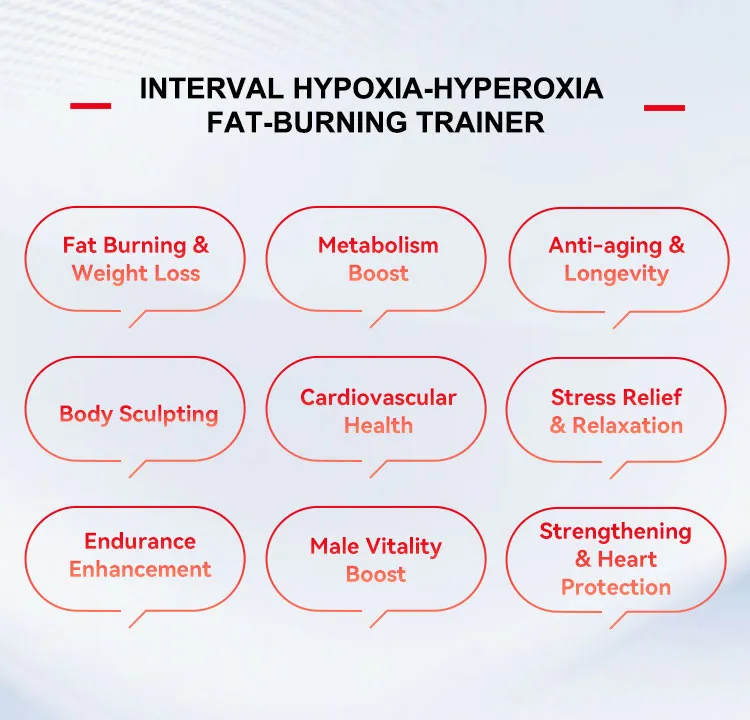
Improves muscle hypertrophy and function, reduces fat, and accelerates metabolism.
Anxiety & Depression
Helps prevent mood disorders and depression-related sleep disturbances.
Fitness Enthusiasts
Boosts endurance, functional capacity, speed, and strength.
Insomniacs
Improves sleep quality and counteracts daytime fatigue to aid concentration.
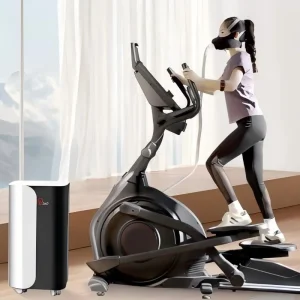
Altitude training, also known as hypoxic training, is training at high altitude where the air has lower oxygen content. Adapting to lower oxygen levels can improve endurance and performance. As your body adapts to repeated exposure to reduced oxygen environments, physiological changes occur, making you faster, stronger, and healthier. Lower oxygen drives the metabolism harder and therefore burns more calories.
Frequently Asked Questions
Q1. What are the main components of the IHHT system?
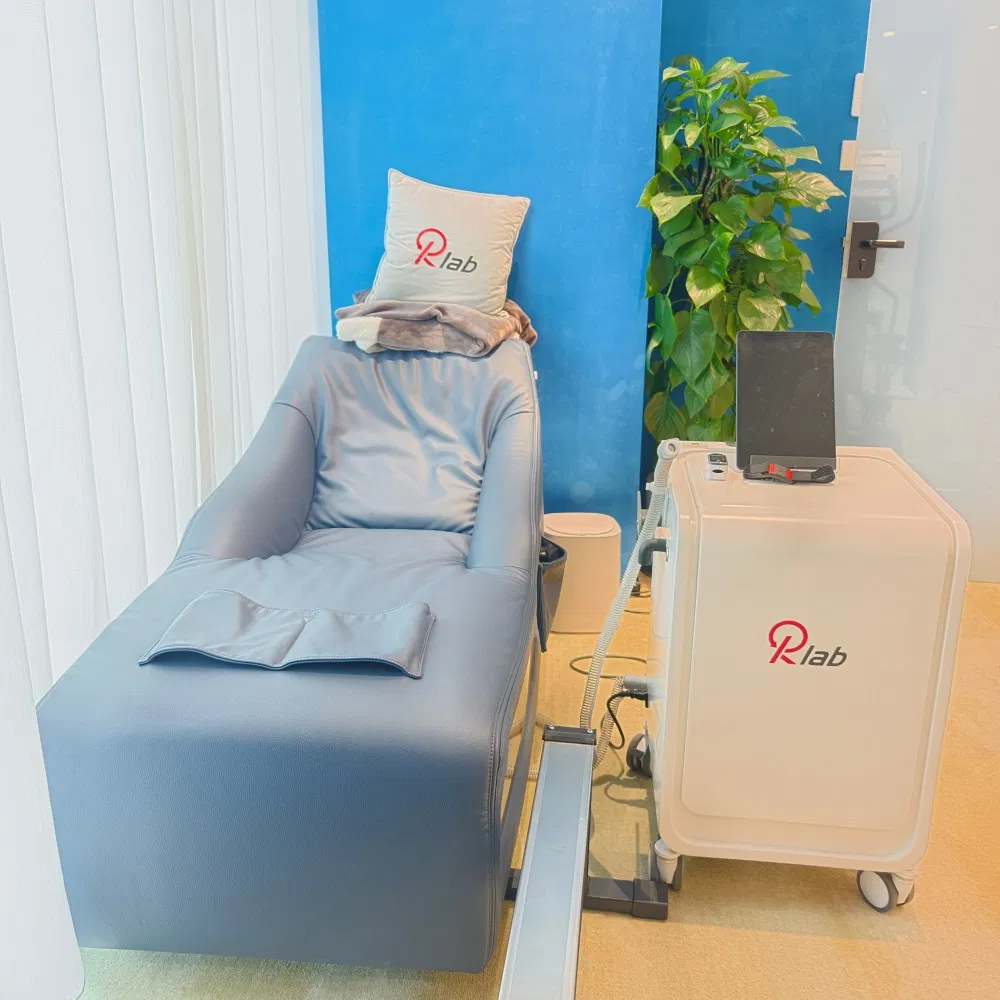
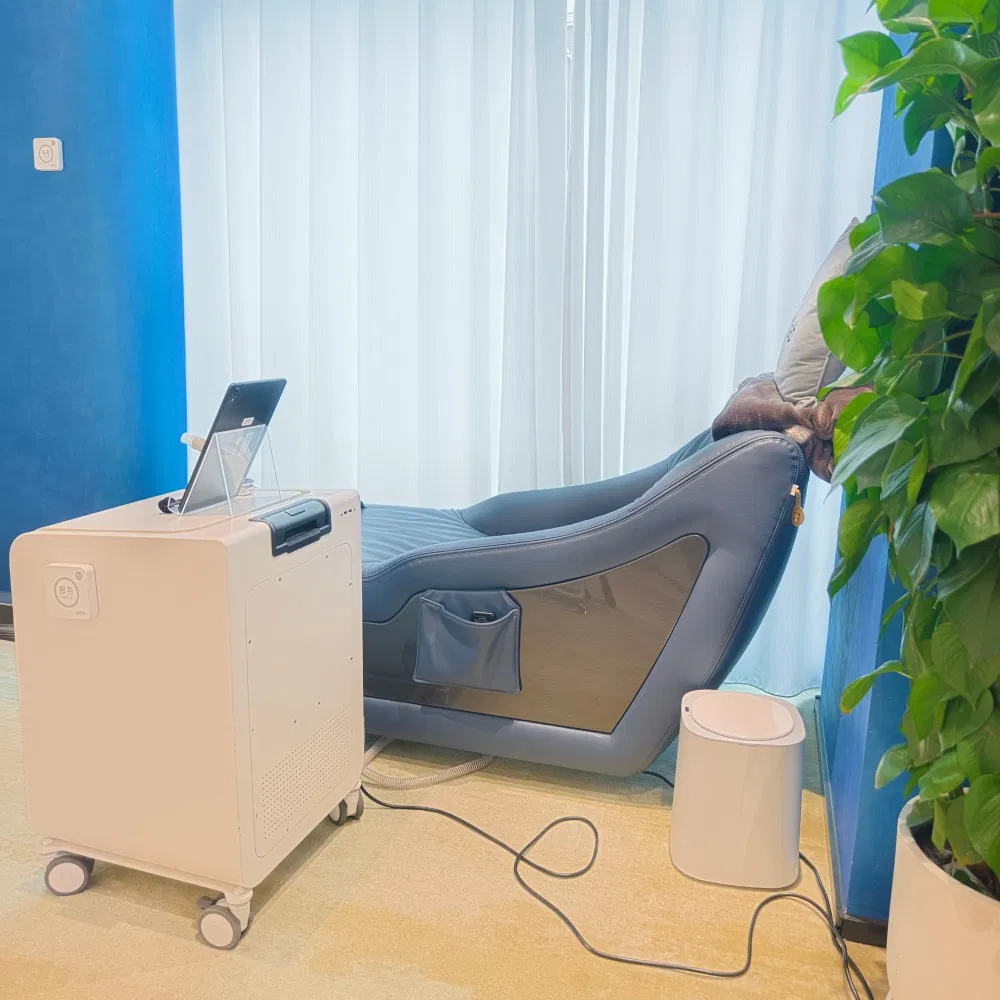
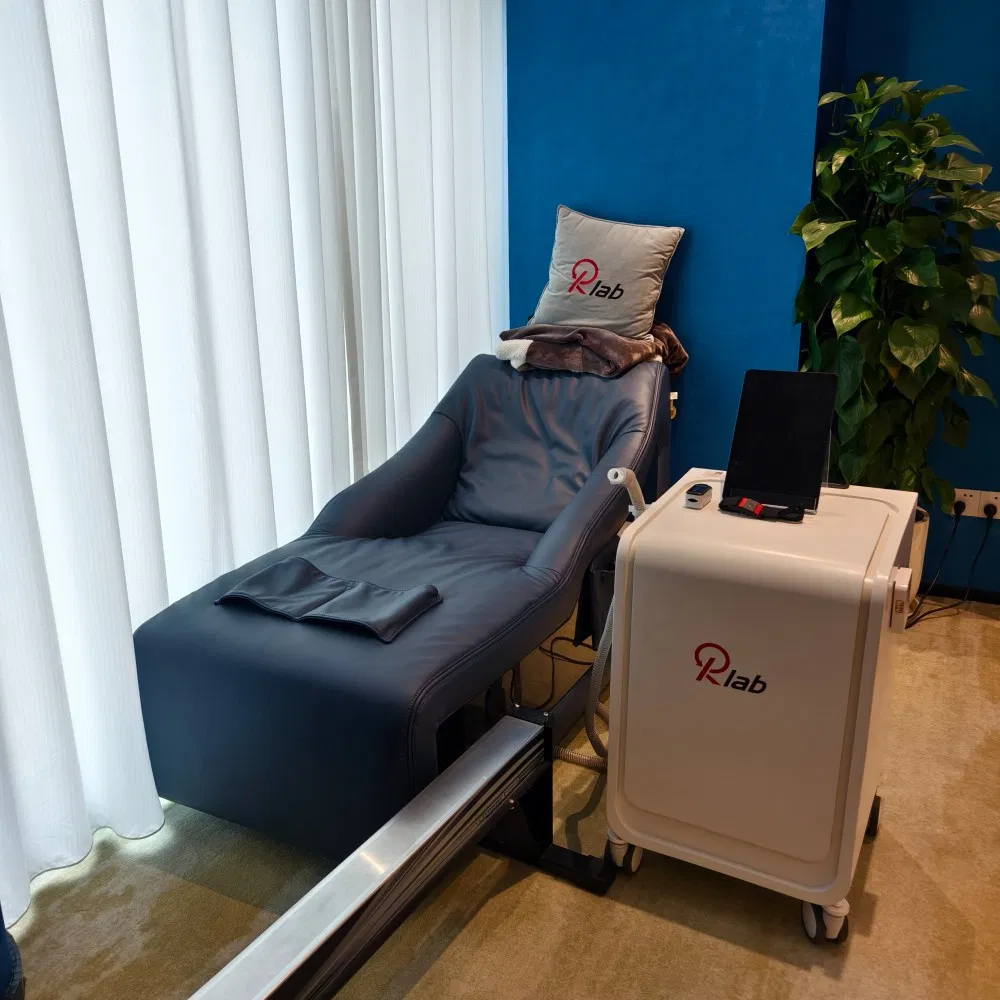
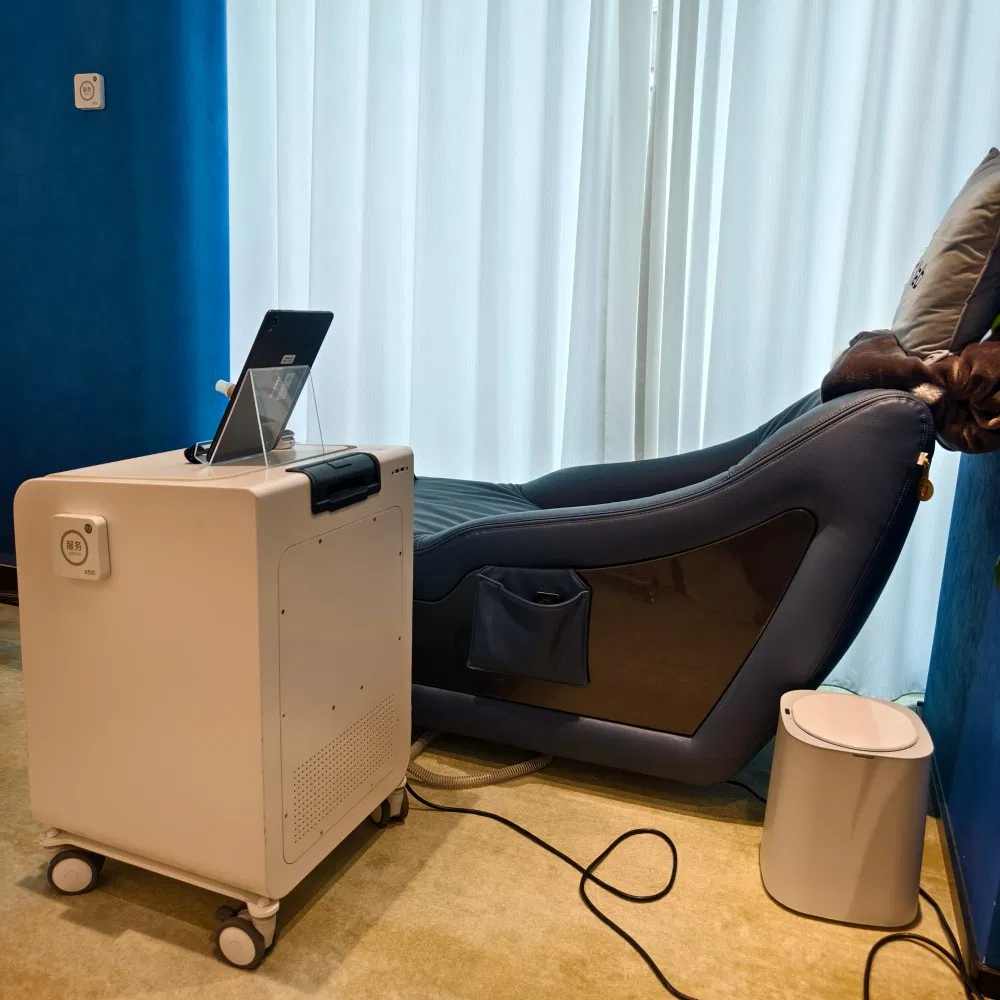
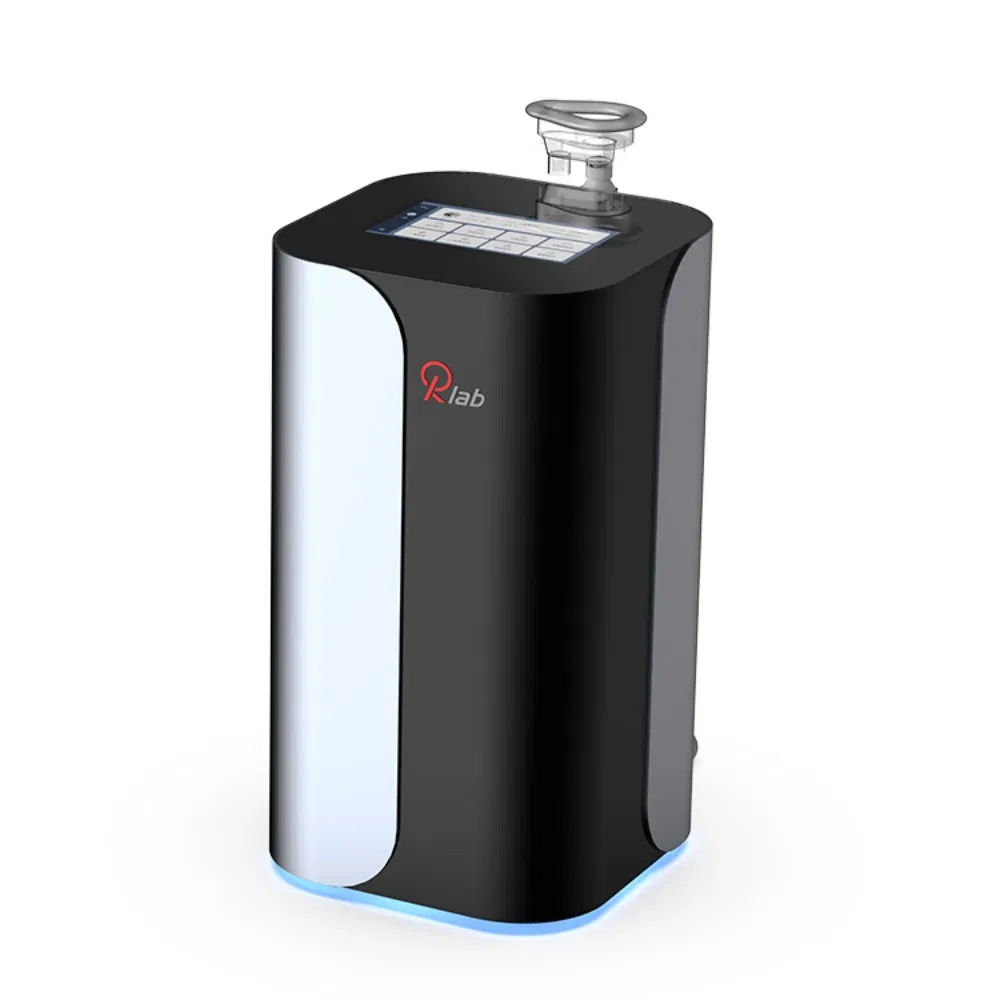
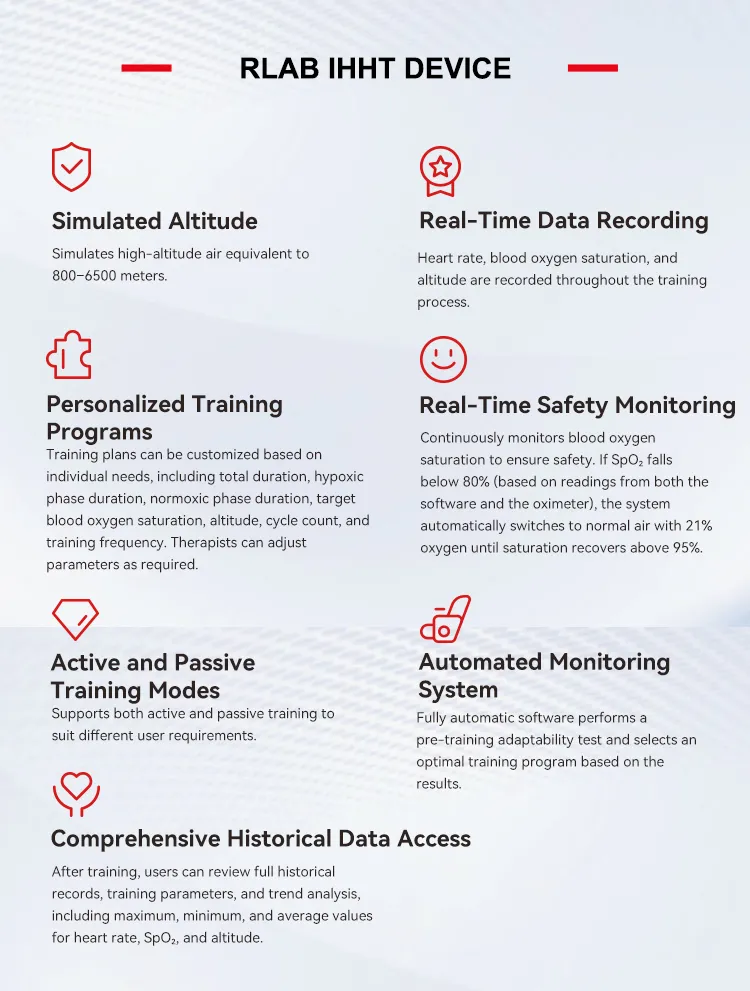
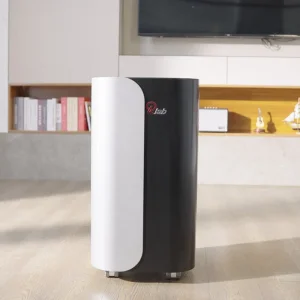
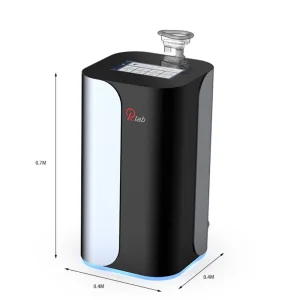
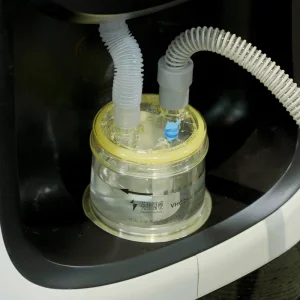
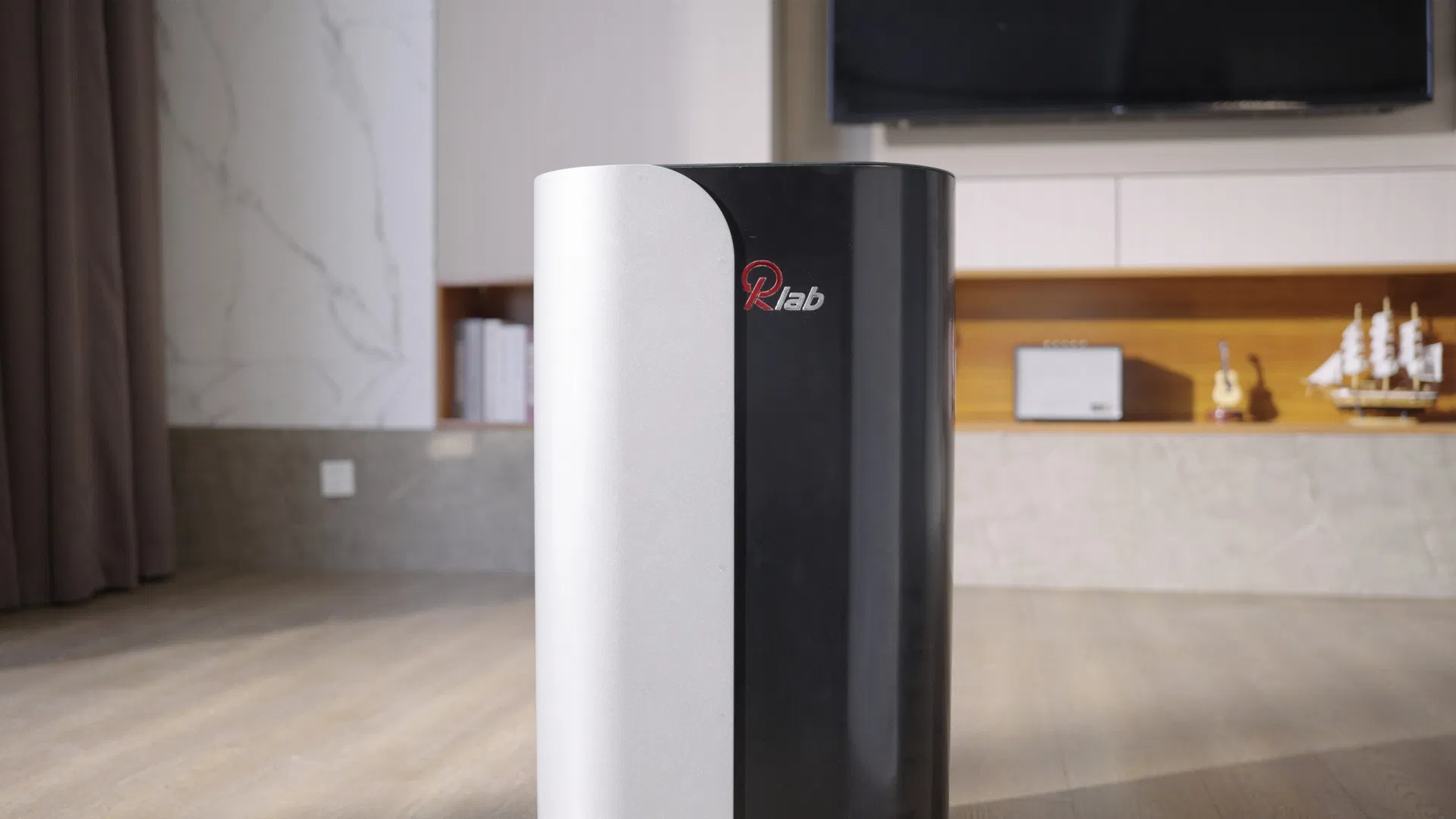
The main components include a host device, a connection hose, a professional oxygen mask, and a high-precision oximeter for real-time monitoring.
Q2. How does intermittent hypoxic-hyperoxia treatment (IHHT) work?
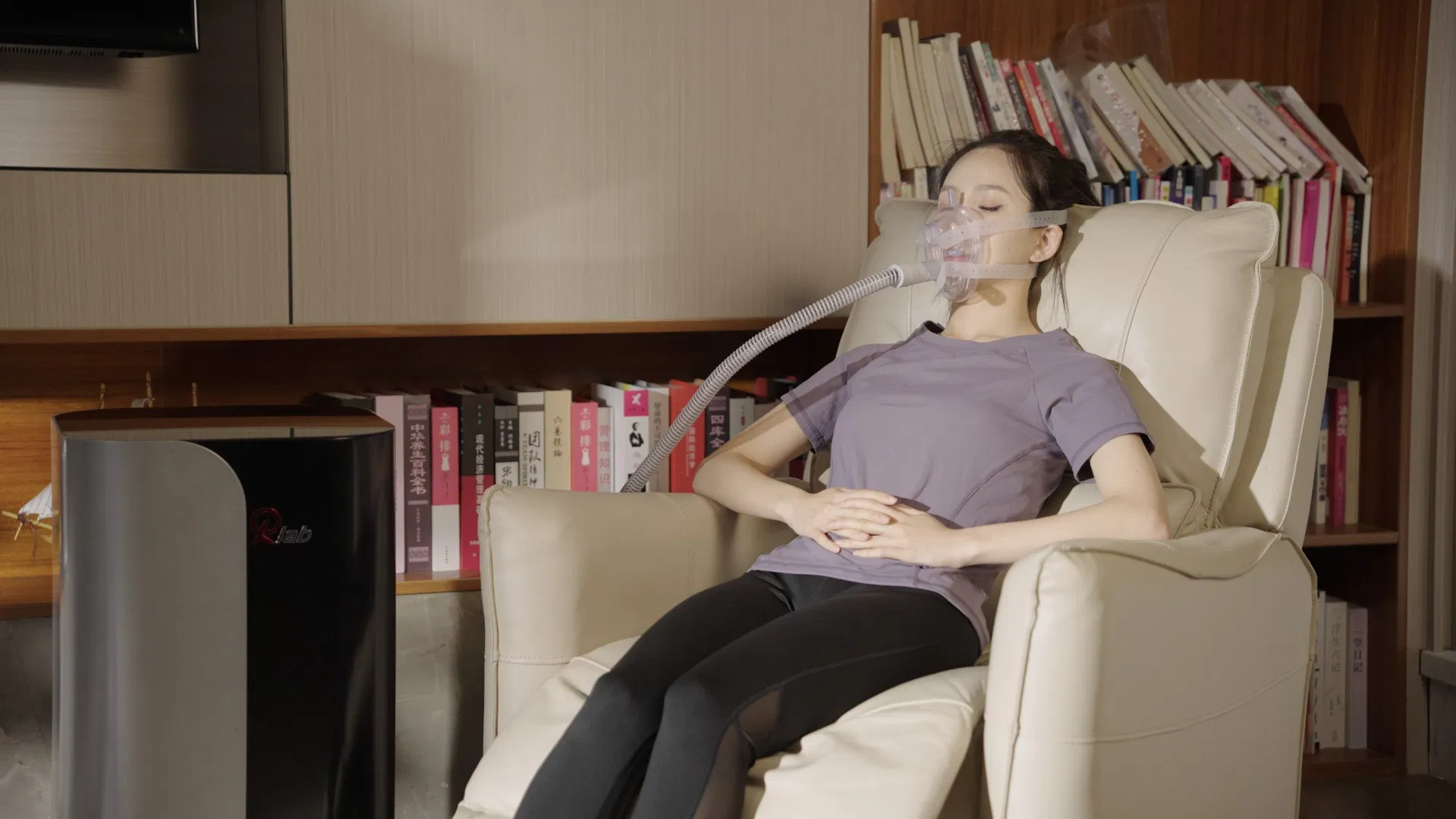
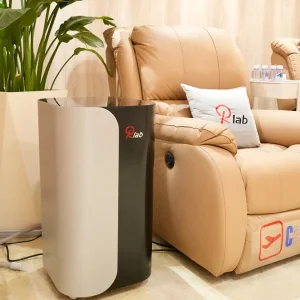
Users wear a mask while resting comfortably. The device provides intervals of hypoxic (low oxygen) and hyperoxic (high oxygen) air, typically taking 30-50 minutes per session.
Q3. How many sessions are recommended for IHHT?
Sessions usually last between 30 and 50 minutes. It is recommended 2-3 times per week initially to allow the body to adapt and recover properly.
Q4. What does the treatment feel like?
Most users find it very relaxing. You may feel slight fatigue after early sessions, but energy levels, breathing ease, and recovery times typically improve with consistent use.
Q5. Is IHHT scientifically backed?
Yes, IHHT is at the forefront of longevity science. The physiological principles of oxygen adaptation were recognized in the 2019 Nobel Prize in Medicine, showing how oxygen variations rejuvenate cellular function.
Q6. What are the main health benefits?
IHHT helps alleviate stress-related fatigue, improves cardiovascular performance, boosts metabolism, and supports the respiratory and immune systems.