ProGear Sport
1 / 5

| Model NO. | IHH-M0934 |
| Usage | Fitness, Training |
| Oxygen Concentration | 9-34% |
| Simulated Altitude | 0-5800m (0-19028FT) |
| Flow | 20-80lpm |
| Power Consumption | 950W |
| Noise Level | 56dB(a) |
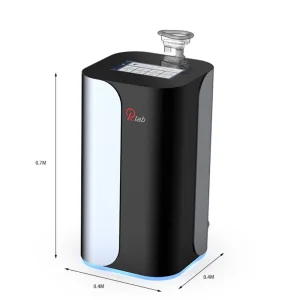
| Size | 45*45*98cm |
| Certification | CE |
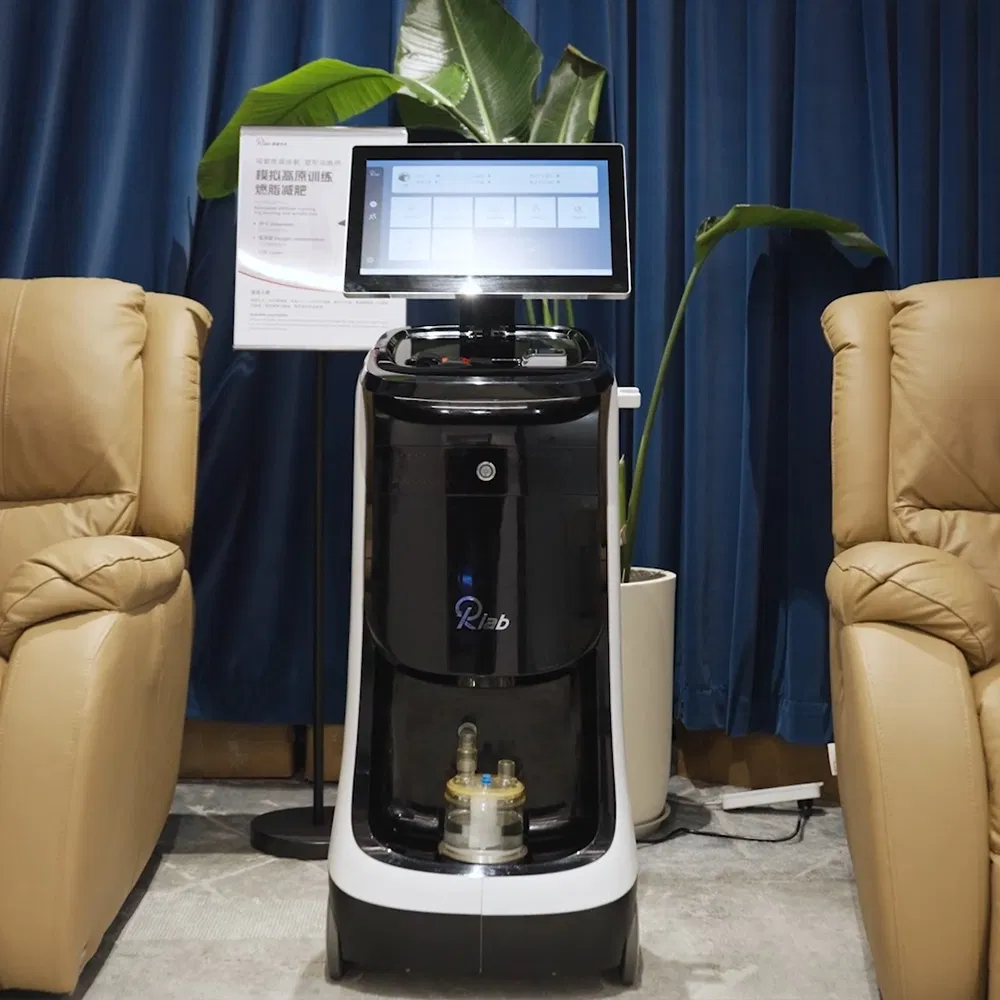
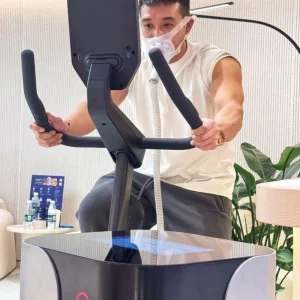
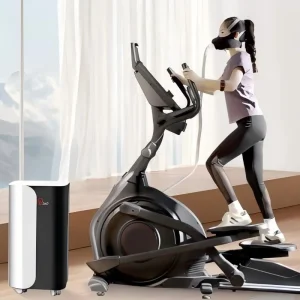
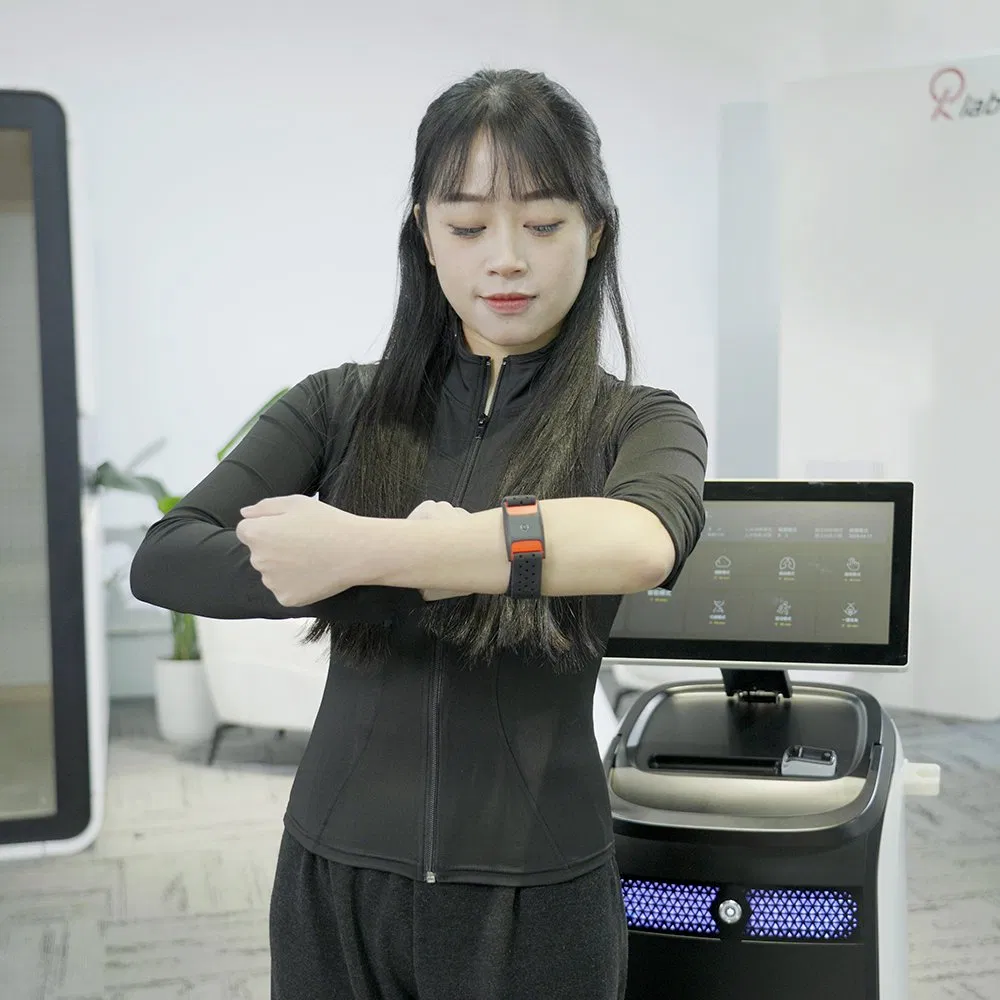
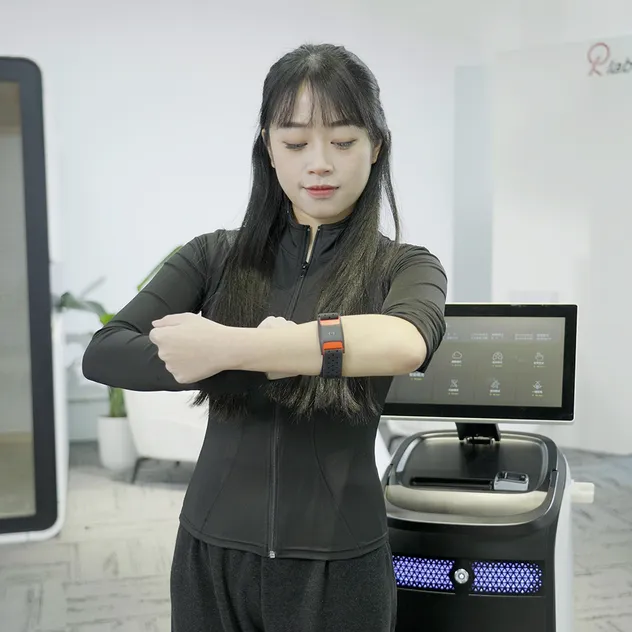
The product monitors and judges the user's current physical state in real-time through blood oxygen saturation sensors, heart rate sensors, etc., and provides users with mixed gases with different oxygen concentrations (9-34%) intermittently and accurately through intelligent algorithms, so as to achieve physical function improvement, fat burning, and shaping more safely and comfortably.
Hypoxic resistance training improves muscle hypertrophy and function, reduces fat, and accelerates metabolism.
Supports athletes by boosting endurance, functional capacity, speed, and strength.
Improves sleep quality—counteracts sleepless nights and daytime fatigue to aid concentration and mood.
Eases dizziness, insomnia, irritability, and forgetfulness caused by prolonged mental strain.
Assists in preventing cerebrovascular issues, protecting neurons and improving attention.
Beneficial for atherosclerosis, hypertension, hyperlipidemia, and myocardial ischemia.
Altitude training, also known as hypoxic training, is training at high altitude, usually above 2,000 meters above sea level, where the air has lower oxygen content. This type of training helps athletes increase their red blood cell count and improve oxygen efficiency in the body.
There is growing evidence that altitude can help control weight and effectively prime the body for exercise, even at rest, because lower oxygen drives the metabolism harder and therefore burns more calories.
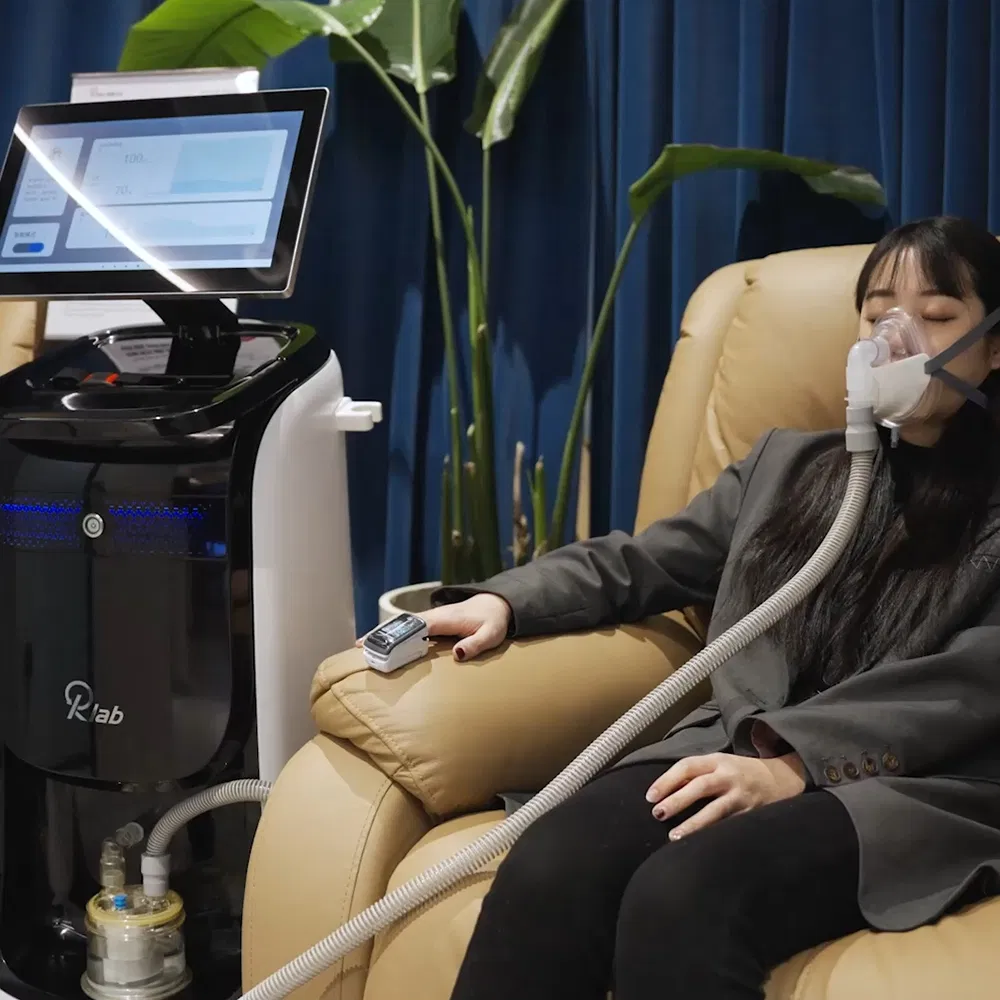
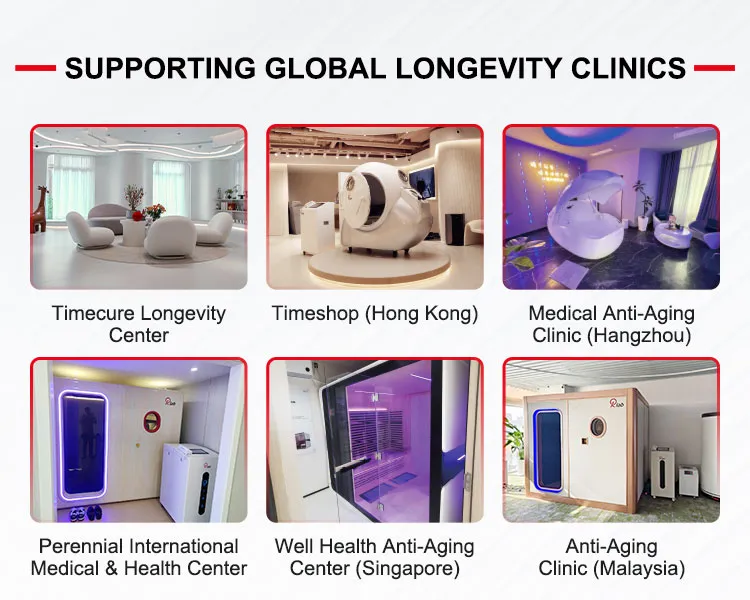

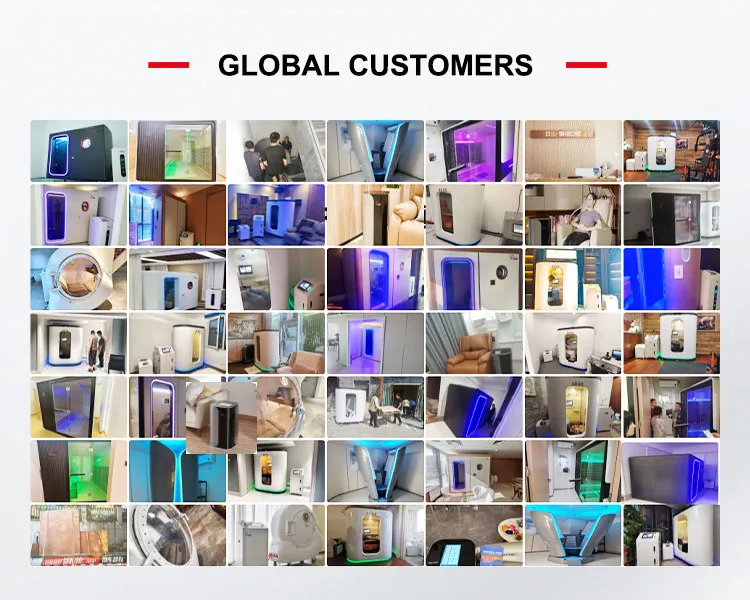
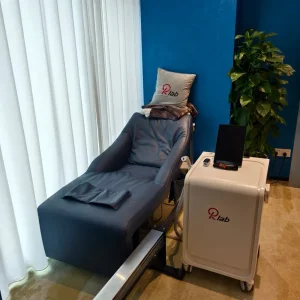
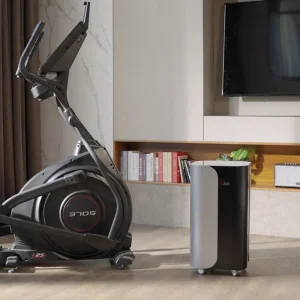
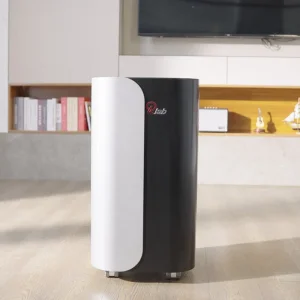
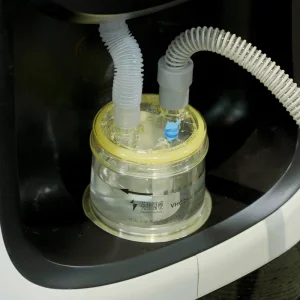
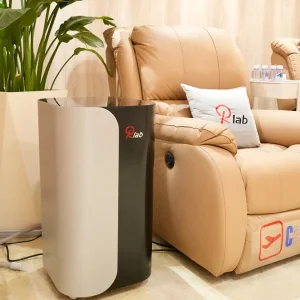
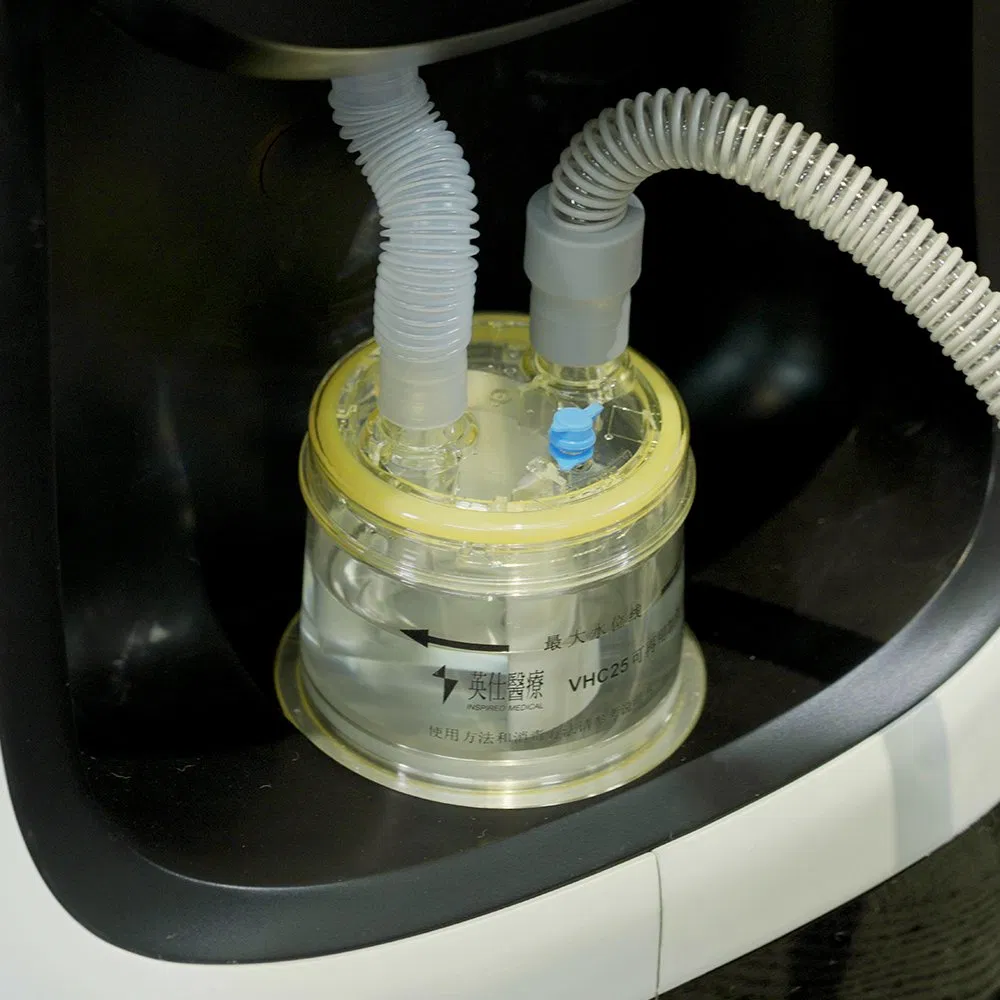
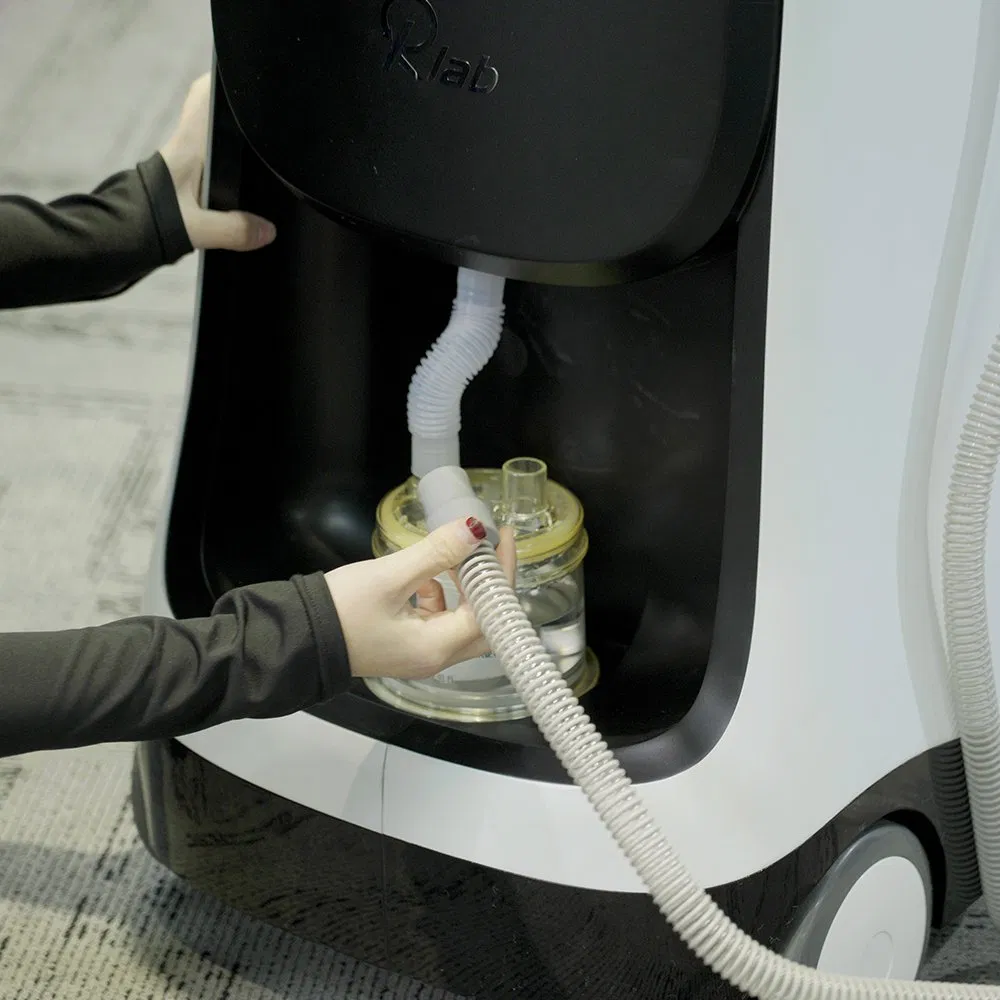
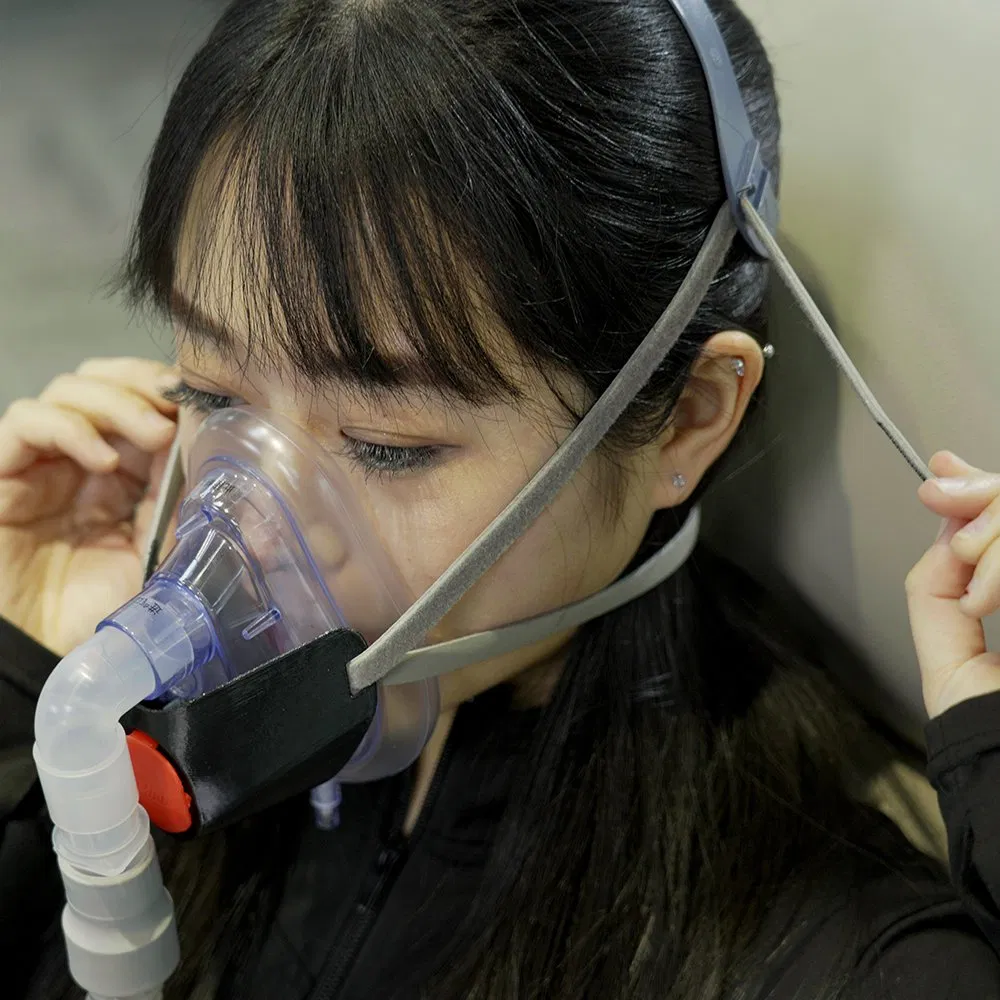
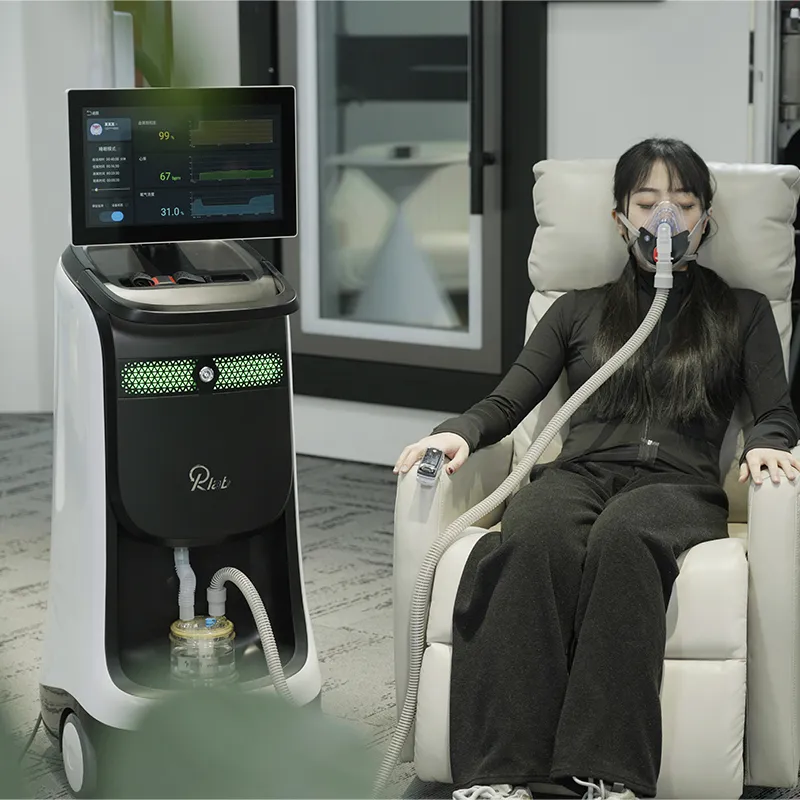
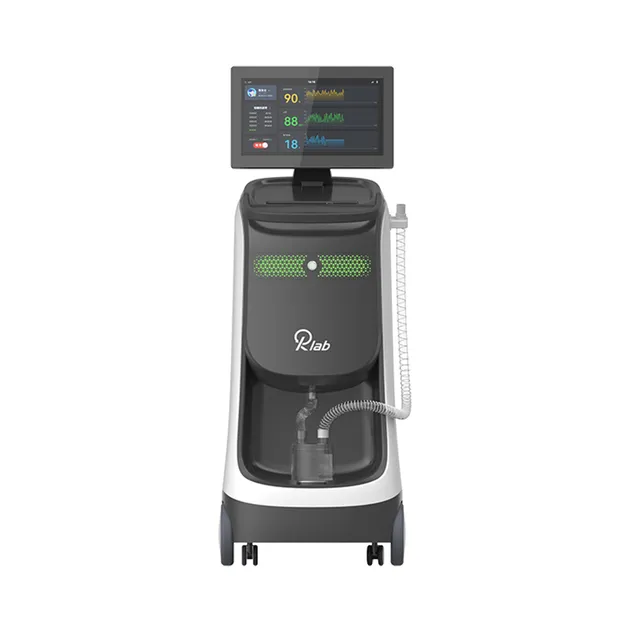
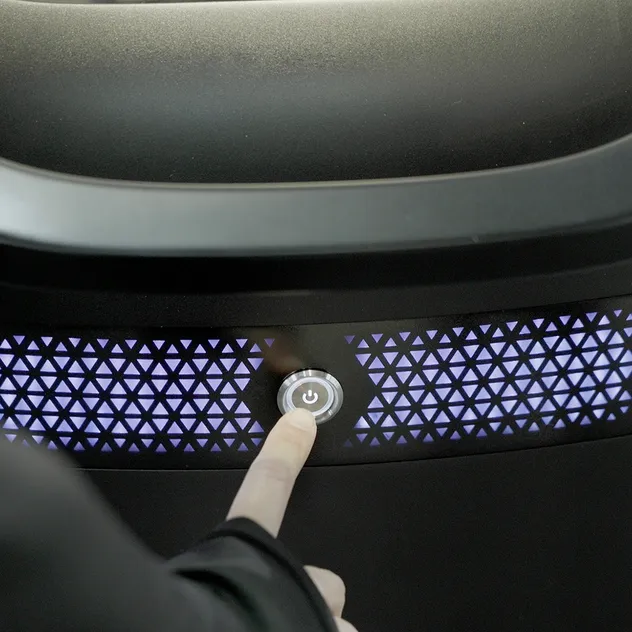
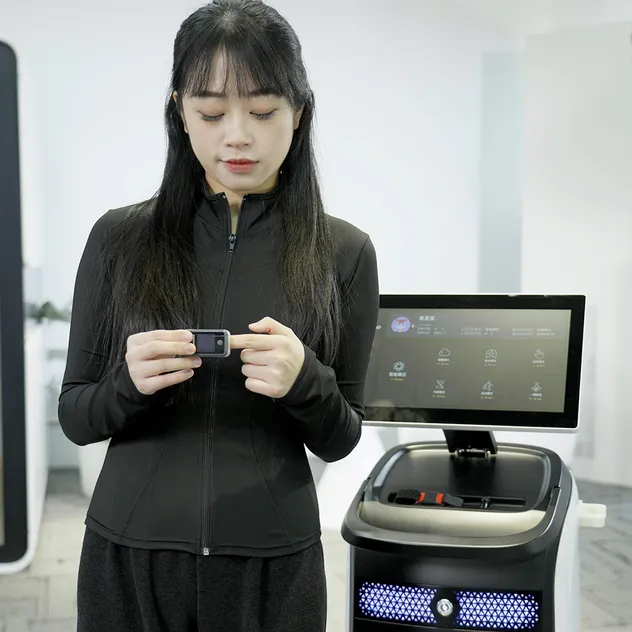
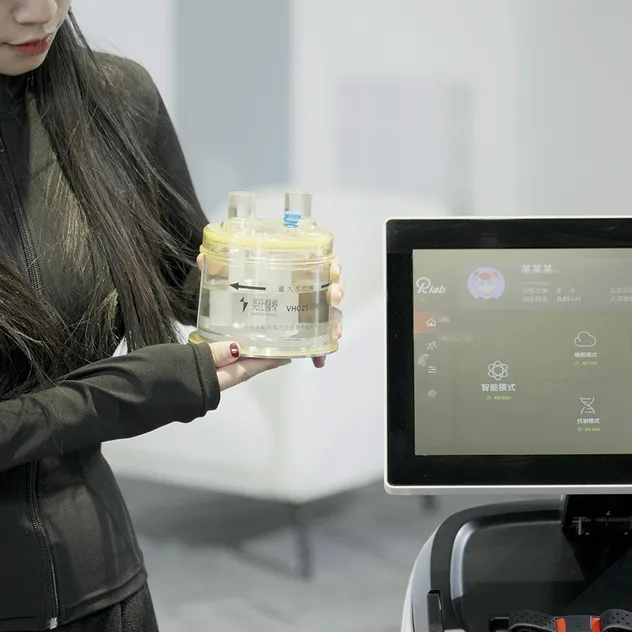
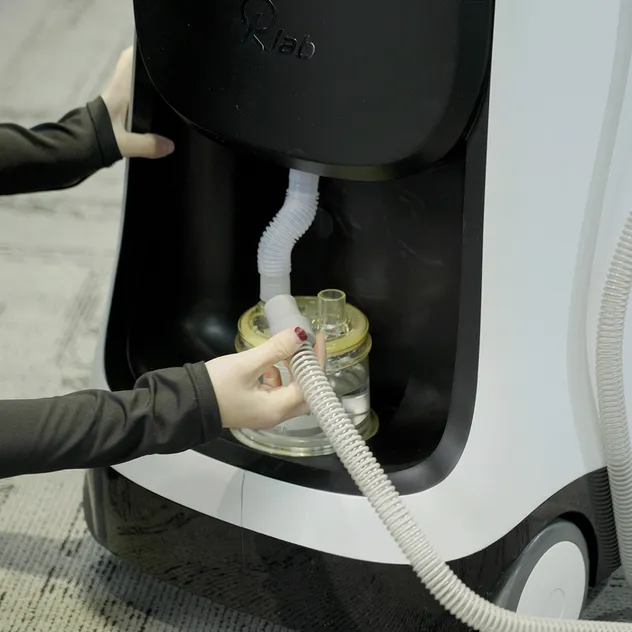
The main components include a host device, a hose, an oxygen mask, and an oximeter.
Using the device, you wear a mask and select the training mode while lying or sitting comfortably. You inhale hypoxic (low oxygen) air with intervals of hyperoxia (high oxygen) air. It takes about 30-50 minutes per session.
Sessions usually last 30-50 minutes. We recommend 2-3 times per week to allow your body to adapt and recover.
Generally, you may feel tired after the first few sessions as your body adapts, but energy levels increase with continued use. You will notice breathing becomes easier and recovery time improves.
Yes. The 2019 Nobel Prize in Physiology or Medicine highlighted how cells sense and adapt to oxygen availability. IHHT is at the forefront of this scientific advancement for physical and mental health.
IHHT alleviates fatigue symptoms caused by stress, chronic fatigue, and insomnia. It also improves cardiovascular performance, metabolism, and the immune system.