The question "Will a trampoline ruin my backyard grass permanently?" resonates with many homeowners. According to Dr. Jane Foster, a turf management expert, “Trampolines can impact grass health, especially if left in place long-term.” This statement highlights the ongoing concern among families who love outdoor activities while maintaining their lawns.
When a trampoline is positioned on grass, it creates substantial pressure on the soil. This pressure can lead to compacted soil, preventing grass from receiving necessary nutrients and water. If placed in the same spot for an extended period, the results could be brown patches or even dead grass.
Yet, there are strategies to mitigate damage. Moving the trampoline regularly can allow grass to recover. Additionally, using protective mats may reduce soil compaction. However, even with precautions, some homeowners may find themselves with unsightly patches, leading to regrets about their trampoline placement. Ultimately, the balance between fun and a healthy lawn requires careful consideration.
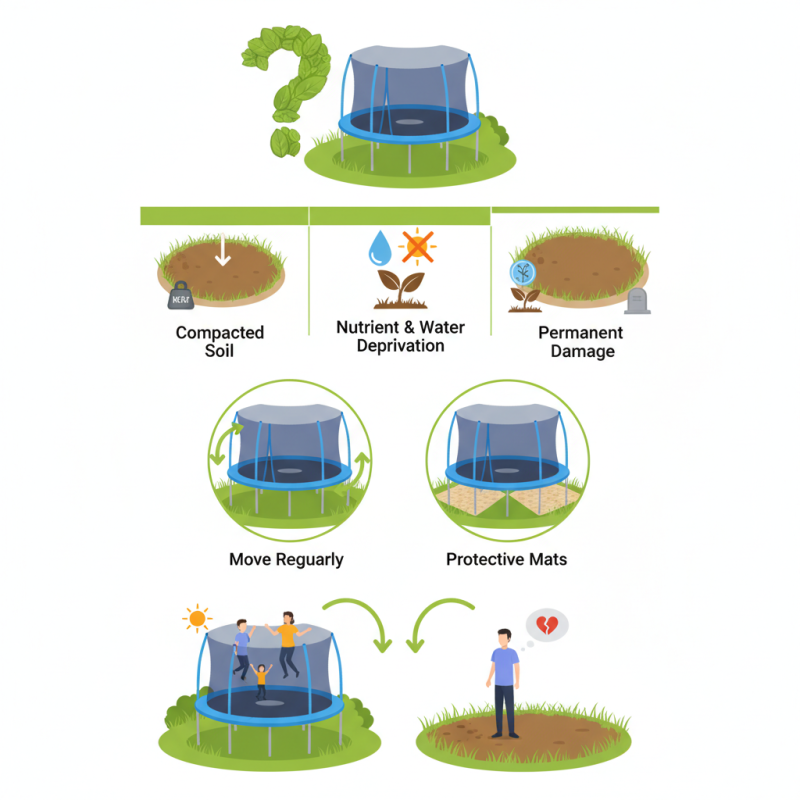
When considering a trampoline for your backyard, it's essential to think about how it will affect your grass. The weight of the trampoline can crush the grass beneath it. This may lead to dead patches over time, especially if you leave it in one spot. Sunlight and air become restricted, making it hard for grass to thrive.
However, there are ways to reduce the impact of a trampoline on your grass health. Rotate the trampoline regularly. This allows different grass areas to recover. Another tip is to ensure the grass is well-watered and fertilized, promoting robust growth.
Consider adding a protective layer beneath the trampoline. This could be mulch or turf. Using this method helps in reducing compaction. Keep in mind that grass often needs time to bounce back. If you notice bare patches, be patient; they can recover with care. Investing time in grass maintenance is crucial.
| Grass Type | Trampoline Use Duration (hours/week) | Grass Health Rating (1-5) | Recovery Time (weeks) | Recommendations |
|---|---|---|---|---|
| Kentucky Bluegrass | 10 | 2 | 3 | Rotate trampoline weekly |
| Perennial Ryegrass | 15 | 3 | 2 | Use protective mats |
| Bermudagrass | 20 | 4 | 1 | Limit usage during peak growth |
| Tall Fescue | 5 | 1 | 2 | Frequent watering |
When considering a trampoline for your backyard, it’s essential to think about how it affects your grass. The weight of a trampoline can lead to soil compaction. This can affect air flow and water absorption. Grass roots need oxygen, and compaction can restrict this vital process. Without proper care, your grass may struggle to thrive.
Soil compaction often manifests as bare patches where the grass once grew lush. It can be frustrating to see your lawn suffer. The area under a trampoline may turn into a muddy surface after rain. This can lead to a never-ending cycle of repair and disappointment. Pay attention to how long you leave the trampoline in one spot. Regularly moving it can reduce the risk of unsightly damage.
Maintaining healthy grass may require more effort if you have a trampoline. Aerating the soil can be an effective solution. It’s a way to promote healthier grass growth. Fertilizing and watering the lawn appropriately also matter. Overall, caring for your yard while having a trampoline isn't impossible. However, it does require careful planning and ongoing commitment.
This chart illustrates the potential impacts of trampoline use on various factors related to backyard grass health. Soil compaction is rated the highest, indicating significant concern for grass health.
Trampolines can significantly impact backyard grass. The increased foot traffic and weight can cause soil compaction. According to a study, compaction can reduce grass growth by up to 30%. This means your once lush lawn could struggle to recover.
Grass recovery is influenced by various factors. Soil health plays a crucial role. Healthy soil promotes better grass regrowth. A report indicates that soils with organic matter can retain moisture, aiding recovery. Moreover, the type of grass matters. Some species are more resilient to wear than others. For example, Kentucky Bluegrass tends to recover better than Bermuda.
Timing also affects recovery. Grass will not grow in cold weather. If you move the trampoline regularly, it can help distribute wear. However, some areas may remain bare and require reseeding. Remember, neglecting lawn care after trampoline use can lead to permanent damage. Consider aerating the soil for better recovery, but it’s not a guaranteed fix.
When considering a trampoline in your backyard, the potential for lawn damage is real. Heavy equipment can crush grass under its weight. The constant jumping creates uneven ground as soil gets compacted. However, there are ways to minimize this impact.
One effective method is to rotate the trampoline’s position regularly. This allows grass to recover in shaded and unvisited areas. Consider surrounding the trampoline with a protective border of mulch or wood chips. This not only keeps the grass safe but adds an aesthetic touch. Use a blanket or tarp to cover the trampoline when it’s not in use. This prevents prolonged contact and gives the grass a chance to breathe and grow.
Regular maintenance is essential. Mow the lawn around the trampoline to keep it healthy. Fresh air and sunlight are vital for grass recovery. You may notice some patches that struggle. Don’t panic. Seed those areas and provide them with extra attention. Trampoline use should be fun, but it can lead to tricky spots on the lawn. Reflect on your backyard’s design. You may find a balance that keeps both the trampoline and your grass happy.
Trampolines can impact your backyard grass significantly. A study by the University of California reveals that grass underneath a trampoline may struggle to survive. The weight of the trampoline can compact the soil, reducing airflow and water absorption. This can lead to dead patches in your lawn.
Additionally, frequent use of a trampoline can exacerbate these issues. Each bounce creates pressure on the grass, limiting its ability to recover. After several months, the grass may thin out or die. Homeowners with trampolines often report challenges in maintaining lush lawns. Soil compaction can take years to reverse, as roots need space to grow.
Consider the long-term effects before placing a trampoline in your yard. It might be necessary to rotate the trampoline location regularly. This can help distribute the weight and prevent permanent damage. Some grass species are more resilient than others. Choosing the right type of grass can make a difference. However, ongoing maintenance and patience are essential for recovery. Creating a backup lawn care plan is also crucial.
: Trampolines can cause soil compaction, reducing grass growth by up to 30%. This leads to struggling lawns.
Soil health, type of grass, timing, and lawn care practices all affect recovery after trampoline use.
Healthy soil promotes regrowth. Organic matter helps retain moisture, which is essential for grass recovery.
Yes, resilient grass species recover better. For example, Kentucky Bluegrass outperforms Bermuda in recovery.
Rotate the trampoline’s position regularly. This allows unvisited areas to recuperate while keeping grass healthy.
Surround the trampoline with mulch or wood chips. This protects grass and enhances the backyard's look.
Don’t panic. Seed those bare areas and provide them with extra care and attention.
Yes, regular maintenance is crucial. Mowing keeps the lawn healthy and allows fresh air and sunlight.
Yes, using a tarp or blanket when not in use prevents prolonged contact, aiding grass growth.
Neglecting care can lead to permanent damage. Take action to avoid lasting issues with your lawn.
The question "Will a trampoline ruin my backyard grass permanently?" is addressed by examining the impact of trampolines on grass health, particularly focusing on soil compaction and its effects on grass growth. Trampolines can create significant pressure on the ground beneath, potentially leading to compaction that hinders the grassroots from receiving essential nutrients and air. Understanding the factors that influence grass recovery after trampoline use is crucial; certain grass types and environmental conditions can promote quicker healing.
To minimize lawn damage from trampolines, best practices include rotating their placement, using protective mats, and ensuring proper lawn care, such as regular mowing and watering. In the long term, the effects of trampoline placement can be mitigated with appropriate management, allowing grass to remain viable. By following these guidelines, homeowners can enjoy the fun of trampolining without permanently compromising their backyard grass health.

ProGear Sport