Walking is a simple yet effective way to stay fit, and using a weighted vest can enhance its benefits. However, many wonder, "What is the correct way to wear a weighted vest for walking?" This isn’t just about putting on extra weight; proper technique is essential.
The right fit matters. A weighted vest should be snug but not tight. Too loose, and it may shift during movement, causing discomfort. Too tight, and it restricts your breathing. Aim for comfort, allowing for natural body movement. Position the vest over your chest and back, ensuring the weight is evenly distributed.
Don’t overlook safety. Start with a lighter vest to develop your walking form before progressing to heavier weights. Monitor your body’s response. If you feel pain or extreme fatigue, it may be time to reassess your technique or the weight you’re using. Always listen to your body; it’s the best guide in your fitness journey.
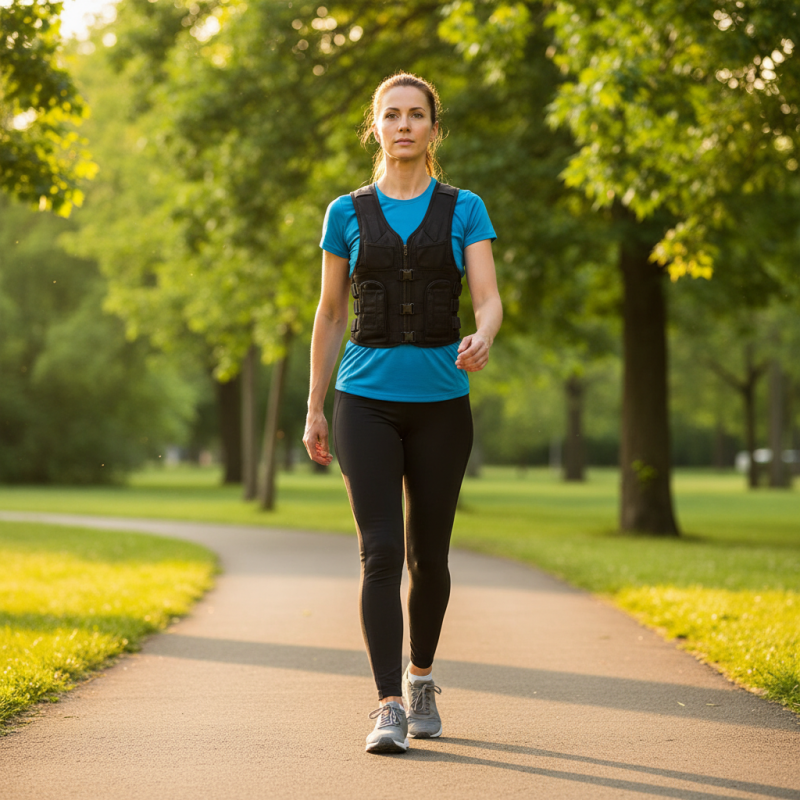
Choosing the right weighted vest for walking requires careful consideration. Look for a vest that distributes weight evenly. This helps prevent strain on your back and shoulders. A vest that fits snugly will enhance comfort during your walks. If it shifts too much, it can become distracting and counterproductive.
Consider the weight you start with. It's tempting to use a heavy vest, but starting light allows your body to adjust. Gradually increase the weight as your strength improves. A vest with adjustable weights can be a good option. This way, you can tailor the resistance to your fitness level.
Material is another key factor. Choose breathable fabrics that wick away moisture. Walking in a sweaty vest can be uncomfortable. Some vests have pockets to hold small items, adding convenience. Reflect on your walking habits and goals. A weighted vest may not be necessary for everyone. Listening to your body is crucial. If you experience pain, it might be time to reevaluate your choice.
| Weight (lbs) | Material | Adjustability | Comfort Level | Price Range ($) |
|---|---|---|---|---|
| 10 | Neoprene | Adjustable | High | 40-60 |
| 20 | Canvas | Fixed | Medium | 60-80 |
| 30 | Cordura | Adjustable | Very High | 80-120 |
| 40 | Leather | Fixed | Low | 100-150 |
| 50 | Mesh | Adjustable | Medium | 120-180 |
When starting with a weighted vest, it's crucial to understand how much weight is appropriate for your current fitness level. Beginners should consider adding just 5-10% of their body weight. This allows your body to adapt without causing undue strain. Starting slowly also reduces the risk of injury. Adjust as your strength and endurance improve.
As you progress, listen to your body. Adding weight too quickly can lead to fatigue or muscle soreness. Take time to reflect on your performance after walks. If your muscles feel overly strained, it might be time to reduce the weight, even temporarily. Comfort is essential during your workouts.
Tips for using a weighted vest: Ensure the fit is snug but not too tight. This avoids shifting during movement. Focus on maintaining proper walking form, keeping your back straight and shoulders relaxed. Incorporate short intervals of walking with the vest to gauge your reaction. Take breaks as necessary to avoid pushing beyond your limits. Remember, it’s about building a sustainable routine, not rushing progress.
This chart illustrates the recommended walking frequency for different weight dosages based on fitness levels. As the weight increases, the recommended frequency of walking also increases to accommodate the additional resistance, allowing for effective training adaptations.
Wearing a weighted vest properly while walking can enhance your workout significantly. However, comfort and stability are crucial to enjoy the benefits without risking injury. When adjusting the vest, start by ensuring it fits snugly but not too tight. You should be able to breathe easily and move without restriction. If the vest feels bulky, try redistributing the weight.
Adjust the straps so that they sit on your shoulders without slipping off. A well-fitted vest should move with your body. If you feel it bouncing or shifting, it’s a sign of improper fit. Experiment with different weights, starting light and gradually increasing as you become accustomed to the vest. This way, your body can adapt without overwhelming stress.
Pay attention to how the added weight impacts your balance. If you feel unsteady, it’s best to reassess. When in doubt, consult resources or professionals for guidance on proper form and technique. Remember, the goal is to enhance your experience, not complicate it. Stay mindful of your body's signals.
Walking with a weighted vest can enhance your workout, but proper techniques are essential. Many studies show that adding weight increases calorie burn by 20% to 30%. This extra effort helps build strength and endurance. Start with a vest weighing no more than 10% of your body weight to avoid strain. Gradually increase the weight as your muscles adapt.
When wearing a weighted vest, ensure a snug fit. Loose vests can shift and cause discomfort during your walk. Your center of gravity changes, so maintain a good posture. Keep your shoulders back and engage your core. This improves stability and reduces the risk of injury.
**Tips:**
- Begin with short walks and slowly increase duration.
- Pay attention to how your body feels. Discomfort is a signal to reassess your weight.
- Use terrain variations like hills to maximize benefits.
Consistency matters. Keep track of your workouts and make necessary adjustments. Reflect on your progress every few weeks. Are you feeling stronger? Engaging in the right practices can make a significant difference in your experience with a weighted vest.
Wearing a weighted vest can enhance your walking workout, but safety must come first. Studies indicate that improperly using a weighted vest can lead to injuries. According to the American Council on Exercise, improper weight distribution can cause joint strain, especially in the knees and back.
Before putting on a vest, consider your current fitness level. A heavy vest can distort your balance. Start with lighter weights, ideally around 5-10% of your body weight. Gradually increase the weight as your body adapts. Focus on your walking posture. Keep your head up and shoulders relaxed. Misalignment can lead to discomfort over time.
Hydration is often overlooked but crucial. Heavy vests can increase heart rate and elevate body temperature during walks. Research from the Journal of Strength and Conditioning shows that hydration directly impacts performance. Always drink water before and after your walk. Lastly, listen to your body. If you experience pain, take a break and consult a professional if it persists.
: Beginners should start with 5-10% of their body weight. This helps avoid strain and injury.
If you feel discomfort, consider reducing the weight or taking breaks. Listen to your body’s signals.
The vest should fit snugly but not too tight. This prevents shifting during your movements.
Keep your back straight, shoulders back, and core engaged. Good posture is important for stability.
No, adding weight too quickly can cause fatigue or soreness. Incremental changes are safer and more effective.
Reflect on your performance after walks. Are you feeling stronger? Adjust weight based on how you feel.
Yes, utilizing hills or different terrains can maximize benefits. It adds a challenge to your walking routine.
Keep track every few weeks and reassess your routines. This helps identify areas for adjustment and improvement.
When considering what is the correct way to wear a weighted vest for walking, it is essential to start with choosing the right vest tailored to your fitness level and body type. Understanding proper weight dosage is crucial; beginners should start with lighter weights and gradually increase as their strength improves. The vest should fit snugly and be adjustable to avoid discomfort while ensuring stability as you walk.
In addition to ensuring the vest is properly adjusted, adopting best practices for walking, such as maintaining good posture and taking measured steps, enhances your workout. Safety tips, including being aware of your surroundings and monitoring your body for signs of strain, are critical to prevent injury. By following these guidelines, you can effectively incorporate a weighted vest into your walking routine for optimal results.

ProGear Sport