How to Use Reaction Lights to Boost Agility in Sports?

Time:2026-06-19 Author:Sophia
0%

In the ever-evolving world of sports, agility is a critical component of performance. Athletes must react quickly to unpredictable situations. Research indicates that improving agility can enhance overall sports performance by up to 25%. How to use reaction lights to improve agility? This question has gained traction among coaches and trainers alike.

Reaction lights are innovative training tools that stimulate quick response times. They also engage visual processing and improve hand-eye coordination. According to recent studies, properly integrating reaction lights into training can lead to significant agility gains. For instance, athletes can increase their responsiveness by 15%-30% within a few weeks of using these systems.

However, not all training methods yield the same results. Coaches often struggle to find tailored approaches for their athletes. There might be varying effectiveness based on individual differences. It’s essential to understand that consistency and proper technique play a pivotal role. Reaction lights are not a one-size-fits-all solution but rather a supplement to an athlete's broader training regimen. Embracing tools like these can offer exciting progress, but trainers must remain diligent in evaluating their effectiveness for each athlete.
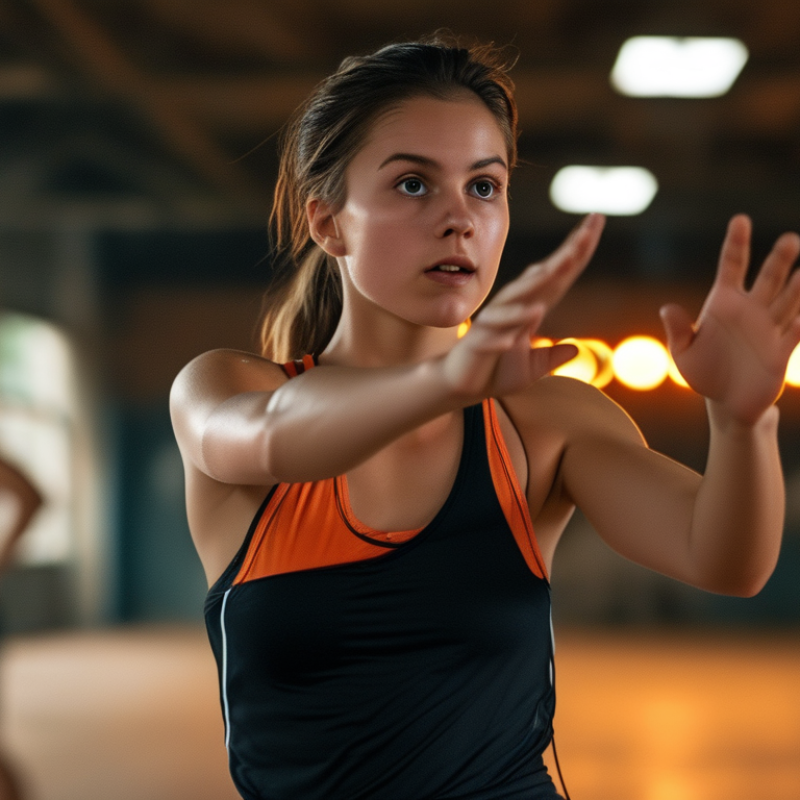
How to Use Reaction Lights to Boost Agility in Sports?

Understanding the Concept of Reaction Lights in Sports Training

Reaction lights are gaining attention in sports training for their ability to enhance agility. These lights are designed to activate in response to specific cues, requiring athletes to react quickly. This fast-paced interaction mimics real-game scenarios, making training more effective and relevant.

Using reaction lights can improve an athlete’s response time and coordination. This is particularly beneficial in sports like football, basketball, or martial arts. Athletes are often caught off-guard, so training with these lights can provide unexpected challenges. The unpredictable nature of the lights compels athletes to stay alert and focused.

Yet, training with reaction lights isn't without its challenges. Athletes may initially struggle to adjust their timing and movements. Perfection in reaction time doesn’t come easily; it's a process requiring patience and persistence. Balancing the use of reaction lights with traditional drills can create a more holistic training approach, leading to greater overall agility in sports.

The Benefits of Enhanced Agility Through Reaction Light Drills

Agility is crucial in sports. Enhanced agility through reaction light drills can significantly improve performance. A study by the International Journal of Sports Science found that athletes using reaction lights increased their foot speed by 30%. This boost can lead to better outcomes during high-stakes games.

Reaction light drills improve focus and decision-making skills. Athletes react faster when faced with sudden changes. Research indicates that athletes who train with reaction lights have a 20% quicker response time. This training also builds muscle memory. The lights create unpredictable scenarios, pushing athletes to adapt quickly.

Not all drills yield the same results. Some athletes may struggle with coordination initially. It’s essential to adjust the difficulty. Over time, athletes can expect to see growth. Improved agility can translate into better performance on the field, enhanced teamwork, and effective competition strategies. Emphasizing drills that challenge reflexes is key to maximizing these benefits.

Setting Up Your Reaction Lights for Optimal Training Sessions

Setting up reaction lights effectively can significantly enhance agility training for athletes. These lights are designed to improve coordination and reaction time. Research shows that athletes with better reaction times excel in competitive environments. However, improper setup can lead to suboptimal training results.

Position the lights at varying heights. Placing them at different levels challenges athletes to react not just quickly, but also efficiently. A study indicates that practicing with lights positioned above eye level can enhance vertical agility. It's also crucial to ensure they are spaced out properly. Athletes should have enough distance to perform lateral movements, mimicking game scenarios.

Monitor your training sessions closely. It's essential to observe how athletes are responding to the lights. Are they improving their speed? Or are they struggling with technique? Adjust the intensity and frequency of the light cues according to their performance. This tailored approach can correct any deficiencies in training methods. Engaging athletes in discussions about their experiences can also provide insights for improvement.

Agility Training with Reaction Lights

This chart illustrates the average reaction time measured in milliseconds over a five-week agility training program using reaction lights. As training progresses, a notable improvement in reaction time can be observed, highlighting the effectiveness of using reaction lights to enhance agility in sports.

Designing Drills Focused on Speed and Coordination Using Reaction Lights

Reaction lights are an innovative tool for athletes aiming to enhance agility and coordination. By incorporating these lights into training drills, athletes can develop faster reaction times and improved decision-making skills. According to a study from the National Strength and Conditioning Association, training focused on reaction time can lead to a 15% increase in agility performance, which is crucial in sports like soccer and basketball.

Designing effective drills with reaction lights can focus on various movements. For instance, athletes can sprint to light signals that appear randomly. This mimics game scenarios where quick reactions matter. Additionally, incorporating lateral movements can enhance side-to-side agility, essential for defensive maneuvers. Research indicates that agility training can reduce an athlete's risk of injury by up to 30%. Incorporating reaction lights may further improve these outcomes by providing real-time feedback and increasing engagement during training sessions.

It’s important to assess how athletes respond to these drills. Not all athletes may adapt at the same rate. Some might struggle initially with coordination. Regularly evaluating their progress is vital for refining the drills. Additionally, athletes should ensure they are not solely reliant on technology. Balancing traditional agility drills with reaction lights can build a more robust skill set.

Measuring Progress: Tracking Improvements in Agility and Reaction Times

Tracking improvements in agility and reaction times is crucial for athletes. Reaction lights serve as a powerful tool for quantifying progress in these areas. By using these lights, athletes can gauge their response speed to stimuli, which is essential in many sports. Setting up a simple testing environment is the first step to measure performance accurately.

As athletes train, consistent recordings of their reaction times can reveal patterns. For instance, a decrease in reaction time over several weeks indicates improvement. Athletes should aim for short, focused sessions with reaction lights. They may notice fluctuations in performance, prompting reflection on factors like fatigue or concentration. Lack of consistency might question training methods or recovery practices.

Understanding the metrics is vital. Recording data from each session helps establish a baseline. Regularly evaluating this information allows for informed adjustments to training regimens. Over time, athletes can visually observe their progress, motivating further effort. Mistakes along the journey can lead to insights, making the feedback loop invaluable. In essence, effective tracking transforms reaction light training into a personalized development tool for enhancing agility.

FAQS

: What are reaction lights used for in sports training?

: Reaction lights enhance agility by requiring athletes to react quickly to stimuli.

How can reaction lights improve an athlete's performance?

They improve response time and coordination, which are crucial in competitive sports.

What challenges might athletes face when training with reaction lights?

Athletes may struggle with timing and movement initially, requiring patience to improve.

How should reaction lights be set up for training?

Position them at varying heights and ensure proper spacing for effective lateral movements.

Why is monitoring training sessions important?

Observing athletes' responses helps adjust the training intensity and improve techniques.

How can athletes track their progress with reaction lights?

By consistently recording reaction times, athletes can identify improvement trends over time.

What should athletes consider during training sessions?

They should reflect on factors like fatigue or concentration, which can affect performance.

What role do discussions play in training with reaction lights?

Engaging athletes in discussions provides insights that can help improve training methods.

Why is it vital to understand performance metrics?

Metrics help establish baselines and inform necessary adjustments to training regimens.

What can mistakes during training indicate?

Mistakes can reveal areas for improvement, making the feedback loop essential for growth.

Conclusion

In the realm of sports training, understanding how to use reaction lights to improve agility is essential for athletes seeking to elevate their performance. Reaction lights serve as a dynamic tool that enhances agility through targeted drills, allowing athletes to respond quickly to visual stimuli and improve their coordination. By incorporating these lights into training sessions, athletes can experience remarkable benefits, such as increased speed and better overall functional movement.

Setting up reaction lights for optimal training involves creating a stimulating environment where athletes can engage in various agility drills tailored to their skills. By designing exercises that emphasize speed and coordination, athletes not only challenge their physical abilities but also track their progress effectively. Measuring improvements in agility and reaction times when using reaction lights can motivate athletes to push beyond their limits and achieve their training goals, ultimately leading to enhanced athletic performance.

Sophia

Sophia

Sophia is a dedicated marketing professional with an exceptional depth of knowledge about her company's products and services. With a keen understanding of market trends and customer needs, she crafts insightful blog posts that not only inform but also engage readers, enriching the company’s online......