Treadmills are essential for many fitness enthusiasts, but mechanical issues can arise unexpectedly. A common concern is, "Why is my treadmill making a squeaking noise?" This noise can be distracting during your workout and may indicate underlying problems. Understanding the cause is crucial for maintaining the treadmill's performance and longevity.
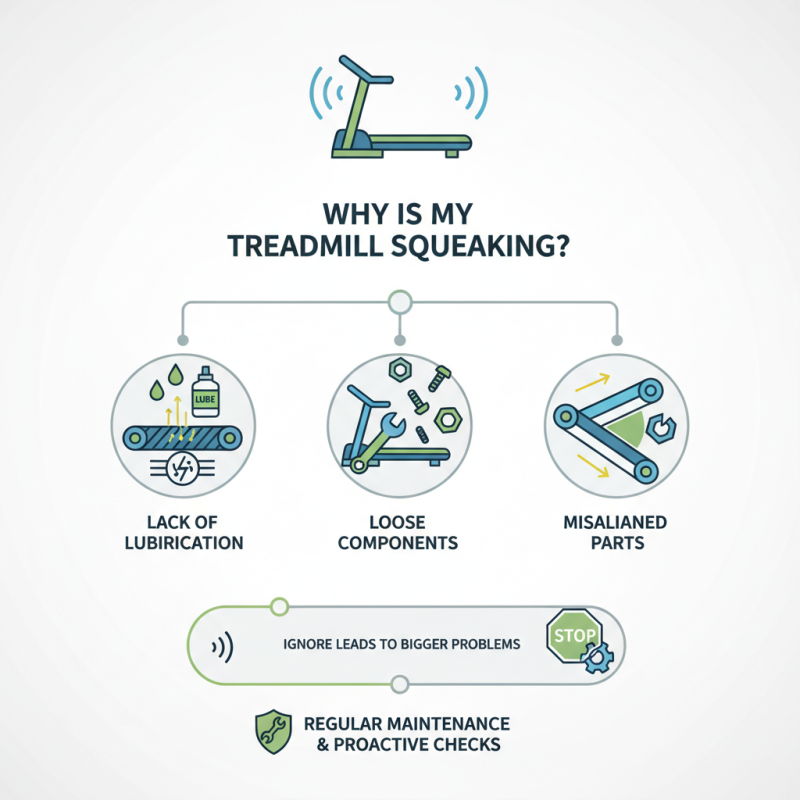
Often, the source of the squeak is straightforward. It could result from a lack of lubrication on moving parts, including the belt and deck. The friction leads to that annoying sound, signaling it's time for maintenance. However, this may not always be the case. Other factors, like loose components or misaligned parts, could also contribute to the noise.
Ignoring the squeaking can lead to more significant issues over time. Regular checks and maintenance can prevent further damage. It’s essential to be proactive in identifying and resolving these sounds early. Taking the time to understand your equipment helps maintain optimal performance. Discovering the answer to "Why is my treadmill making a squeaking noise?" could enhance your workout experience significantly.
Common Causes of Squeaking Noises in Treadmills
Treadmill squeaks can disrupt your workout routine. Understanding the common causes can help you address the issue. One frequent reason for squeaking is a lack of lubrication on the belt. When the belt rubs against the deck, it produces noise. A well-lubricated treadmill runs smoothly and quietly.
Another cause is wear and tear. Over time, parts like the rollers or deck may become worn out. This can lead to increased friction and, consequently, squeaking. Additionally, loose bolts or improperly aligned components might also contribute to the noise. Regular maintenance can minimize these problems.
Lastly, the environment matters. Dust and debris can build up in the mechanics. This accumulation may cause the treadmill's moving parts to function less effectively. Addressing these common issues is essential for a quiet workout experience. Consistent care can help prolong your treadmill's life.
Identifying the Source of the Squeak: A Step-by-Step Guide
Squeaking noises from your treadmill can be frustrating. Identifying the source is crucial for maintaining the equipment's longevity. According to industry reports, nearly 20% of treadmill issues stem from insufficient lubrication. This problem can manifest as annoying squeaks during workouts.
Start by inspecting the belt. Ensure it's properly aligned and has the right tension. A misaligned belt can rub against the frame, leading to noise. Evaluate the embedded components as well. A loose motor or worn-out rollers may also contribute. Reports suggest that regular maintenance can decrease squeaking by up to 30%.
Another common source of squeaks is the deck. If it's worn or dirty, this can cause noise during use. Try cleaning the area where the deck meets the belt. If squeaking persists, consider checking the machine's frame. Sometimes, loose screws or bolts can result in unsettling sounds. A survey indicated that regular inspection can prevent most of these issues.
Common Sources of Treadmill Squeaking Noises in 2026
Preventive Maintenance Tips to Reduce Squeaking Sounds
A squeaking treadmill can be quite annoying. It can distract your workout and even signal a need for maintenance. Understanding the roots of that sound is essential. Several elements may contribute to the noise, including wear and tear on the belt, misalignment, or insufficient lubrication.
Regular preventive maintenance can keep your treadmill running smoothly. Start by checking the belt tension. A loose belt may cause squeaking. Adjust it according to the manufacturer’s instructions. Next, inspect the deck for dust and debris. Cleaning these areas ensures proper movement and prevents noise. Don’t forget to lubricate the belt regularly. This ensures that it glides smoothly and minimizes friction.
Be aware that some squeaks might require professional help. You might not identify issues like internal misalignment just by inspection. Regularly scheduled maintenance can help spot these hidden problems before they worsen. Ignoring squeaks might lead to bigger issues down the line, ultimately costing you more time and money. Keeping your treadmill in good shape is crucial, but it also requires your attention and action.
When to Seek Professional Help for Treadmill Noises
Hearing a squeaking noise from your treadmill can be frustrating. If you notice persistent sounds, it may indicate a deeper issue. Some noises are harmless, but others can signal a need for professional assistance. Pay attention to the location of the noise. A squeak from the belt may mean it's loose or misaligned. Meanwhile, sounds from the motor could suggest wear or damage.
Timing is crucial when assessing these noises. If the sound doesn't go away after basic adjustments, consider consulting a technician. Ignoring the issue can lead to bigger problems. Regular maintenance is key. Keeping the machine lubricated and checking for loose bolts can prolong its life. Yet, not all squeaks are fixable at home. Sometimes, professional insight is required for complex issues.
Being proactive can save time and money. A qualified technician can diagnose the problem accurately. They have the tools and expertise to handle various treadmill noises. If you're unsure about the source of the squeak, don't hesitate to seek help. Your safety and the machine's longevity are worth it. Sometimes, it’s better to ask for help than to risk further damage.
Impact of Treadmill Age and Usage on Noise Levels
A treadmill's age and usage can significantly impact noise levels. Older machines often develop squeaks due to wear and tear on components. Lubrication points can dry out, leading to friction. Also, the build-up of dust and residue can amplify sounds. If your treadmill is several years old, it may require more attention. Regular maintenance is crucial for quiet operation.
Tips for maintaining your treadmill: Check the alignment of the belt to ensure smooth movement. Misalignment can cause unnecessary noise. Inspect the motor for any obstructions. Cleaning the running deck and the motor area is essential. It prevents the build-up that creates annoying sounds. Always refer to the user manual for specific maintenance advice.
The way you use your treadmill also matters. High-frequency use can accelerate wear. If you run on it daily, be prepared for potential maintenance needs. Take note of any unusual sounds early. Addressing them promptly can save you from bigger issues. Embrace regular check-ups to keep your treadmill in top shape. This way, you can enjoy a quieter workout.
FAQS
: Check the noise's location. A squeak from the belt could mean it's loose.
If the squeak persists after basic adjustments, consider consulting a technician.
Yes, lubricating the machine and checking for loose bolts can prolong its life.
Older machines may develop squeaks due to component wear and lubrication points drying out.
Inspect belt alignment and clean the running deck and motor area often.
Yes, daily use can speed up wear. Early detection of noises is important.
Ignoring noises can lead to bigger issues. It's wise to address them early.
If your treadmill motor makes unusual sounds, it's best to seek professional assistance.
Dust build-up can amplify sounds, making your treadmill noisier.
Not checking the belt alignment can lead to unnecessary noise and damage.
Conclusion
If you're wondering "Why is my treadmill making a squeaking noise?" there are several common causes to consider. Squeaks often arise from loose parts, worn-out bearings, or insufficient lubrication. To identify the source, following a step-by-step guide can be helpful, allowing you to pinpoint the problem area systematically. Regular preventive maintenance, such as lubricating the belt and ensuring bolts are tightened, can significantly reduce these noises.
Additionally, understanding the impact of your treadmill's age and usage patterns can provide insights into noise levels. Over time, wear and tear can lead to increased sounds, indicating it might be time to seek professional help. By staying proactive with maintenance and knowing when to consult an expert, you can keep your treadmill running smoothly and quietly.

 ProGear Sport