When considering home fitness options, many ask, "Can I put a treadmill on the second floor of a wooden house?" This question is not simply about placement. It's about safety, stability, and the integrity of your home. A treadmill can be heavy and may transmit vibrations and noise, which can be problematic in a wooden structure.
Understanding your home's design is critical. Wooden houses, while charming, can have limitations. The floor joists must support the weight and movement of exercise equipment. It's vital to know the weight capacity of your floors. Consulting with a structural engineer can provide valuable insight.
You may also face unexpected challenges. Not all wooden floors are created equal. Some may flex, while others may resonate with sound. If you're determined to place your treadmill upstairs, you must assess sound insulation and weight distribution. Consider using rubber mats to protect floors and reduce noise. This way, you can enjoy your workout while minimizing disturbance to others.
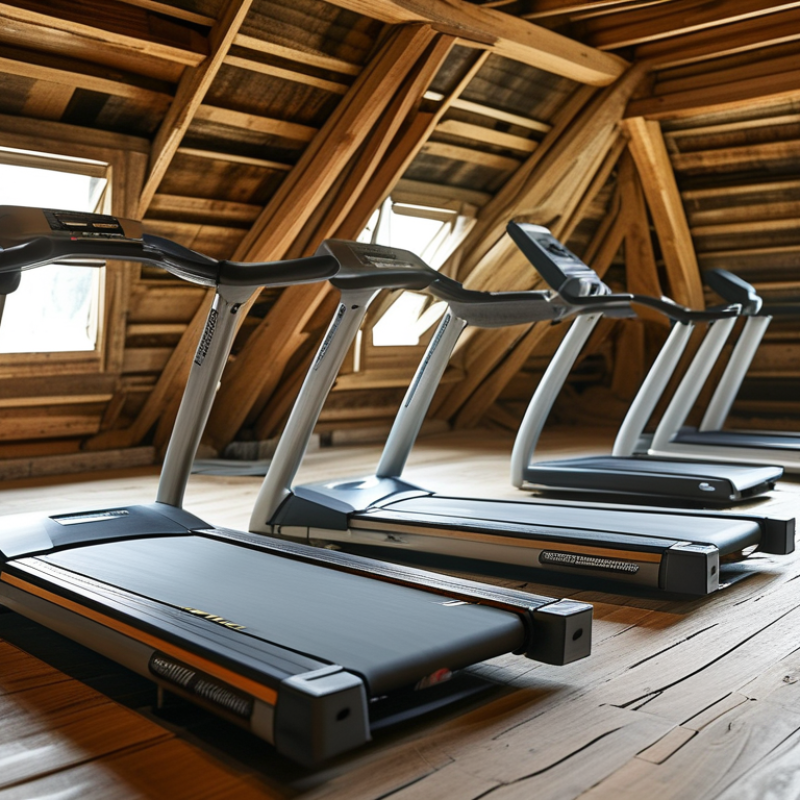
When considering placing a treadmill on the second floor of a wooden house, structural integrity is paramount. According to the American Wood Council, most residential floors can support a load of 40 pounds per square foot. A standard treadmill typically weighs between 150 and 300 pounds. This weight, coupled with the user’s weight, can exceed the recommended load limit. It's essential to assess the floor’s capacity before installation.
Additionally, vibration and noise are crucial aspects to consider. Treadmills create significant vibrations that can travel through floors and walls. A study from the Journal of Sound and Vibration indicates that vibrations from exercise equipment can disturb the entire home environment. To mitigate this, some users opt for rubber flooring or vibration mats. These solutions can help absorb shock and minimize disturbance to other occupants.
Lastly, be cautious of airflow and temperature control. Wooden houses may experience issues with moisture and humidity, particularly on upper levels. Excess moisture can damage wood over time. Ensure proper ventilation and consider using a dehumidifier to maintain a balanced environment. Weighing these factors can aid in making an informed decision about your treadmill placement.
When considering a treadmill on the second floor of a wooden house, the weight and design of the treadmill play crucial roles. A typical treadmill weighs between 200 to 300 pounds. This weight exerts significant force on wooden floors, which can lead to potential instability. Wooden floors can bend under pressure. If the structure isn’t reinforced, squeaking or even damage could occur over time.
To ensure safety, check the floor’s specifications before placing a treadmill. It might be wise to consult with a structural engineer. They can assess whether your wooden floors can handle the treadmill's weight. Heavy equipment can strain the subfloor if unsupported. Avoid placing the machine in an area with weak beams or joists.
Tips: Use a rubber mat under your treadmill. This will help absorb some of the impact and distribute weight. Also, consider placing the treadmill near load-bearing walls. This can provide additional support. Regularly inspect the floor for signs of wear. Notice any creaks or shifts, particularly near where the treadmill is situated. Pay attention to your equipment and your home's health.
When considering using a treadmill on the second floor of a wooden house, assessing structural integrity is crucial. Wooden houses can vary significantly in strength and design. Older homes may have weakened beams or joists. These factors can affect the load-bearing capacity of the upper floor.
Check the foundation and supporting columns. Ensure they are sturdy and well-maintained. If the floor feels bouncy or shows signs of stress, it might not support heavy exercise equipment. Regular inspections can reveal hidden issues, such as rot or pest damage. These problems can compromise the structure without visible signs.
Consider using a weight distribution mat under the treadmill. It helps spread the weight more evenly. Adding rubber bumpers can also minimize vibrations. Reflect on whether your home can support the workout routine you desire.
Safety should always come first.
Using a treadmill on the second floor of a wooden house raises concerns. The structure’s integrity is crucial. Data from the National Association of Home Builders suggest that most wooden houses can withstand loads of at least 40 pounds per square foot. However, this safety measure may vary based on the age and condition of the house. It's essential to evaluate whether your home meets these standards before using heavy exercise equipment.
Proper placement of the treadmill is vital. Position it on a flat, stable surface. Use a mat to absorb impact and reduce vibrations. This helps protect the floor and minimizes noise disturbance. According to the American Society of Home Inspectors, excessive vibrations can weaken structural integrity over time. Consider the use of rubber or foam mats designed specifically for exercise equipment. They can improve stability and extend the life of your treadmill.
Regular inspection of both the treadmill and the flooring is necessary. Look for signs of wear or damage. If you notice creaking or shifting, reconsider using the treadmill without professional guidance. Engaging a structural engineer can provide assurance. Professional input ensures any potential risk is managed. Balancing workouts with the safety of your living space is essential.
| Safety Measure | Description | Importance Level |
|---|---|---|
| Check Weight Capacity | Ensure the treadmill's weight capacity is suitable for your body weight. | High |
| Floor Reinforcement | Consult a professional to assess and, if necessary, reinforce the floor joists. | Critical |
| Use a Mat | Place a treadmill mat underneath to absorb shock and prevent slipping. | Medium |
| Regular Maintenance | Perform regular checks and maintenance on the treadmill for safe operation. | High |
| Secure Power Cord | Keep the power cord secured and away from walking paths to avoid tripping hazards. | High |
| Adequate Space | Make sure there’s enough space around the treadmill for safe access and usage. | Medium |
Using a treadmill on the second floor of a wooden house can raise concerns about safety and structural integrity. If you’re looking for alternatives, consider other fitness options that are gentler on your home. Bodyweight exercises, such as squats and push-ups, require no special equipment and can be done anywhere. These exercises engage multiple muscle groups and improve strength without impacting your floor.
Yoga and Pilates are also excellent alternatives. They promote flexibility, balance, and core strength. With a good mat, you can practice safely in your living room. Online classes are widely available, offering guidance for all experience levels. You can create a serene environment for your workouts by adding a few candles or calming music.
If you're keen on cardio, think about outdoor activities. Walking or running in a nearby park provides fresh air and a change of scenery. Cycling is another great option. It strengthens your legs and is also low-impact. Experimenting with different activities can keep your routine fresh and interesting. Embrace the challenge of exploring new ways to stay fit while considering the limitations of your home.
: Evaluate the structural integrity of your floor. Ensure it can handle the treadmill's weight plus user weight.
Typically, wooden floors can support about 40 pounds per square foot. This varies with age and condition.
Treadmills create vibrations that may disturb the entire home. They can affect comfort and peace in your living space.
Use rubber mats or vibration-absorbing flooring to minimize impact. This can help protect the floor and reduce noise.
Regularly inspect the treadmill and flooring for any signs of wear, damage, or shifting. Address issues promptly.
Excess humidity can damage wood over time. Ensure proper ventilation to maintain a balanced indoor environment.
Creaking may indicate structural issues. It’s wise to consult a professional for guidance on safety and usage.
Yes, mats can improve stability and reduce vibrations. They can also prolong the life of both the treadmill and floor.
When considering the question, "Can I put a treadmill on the second floor of a wooden house," several critical factors come into play. First, it's important to evaluate the weight of the treadmill and its potential impact on the stability of wooden floors. An assessment of the structural integrity of the house is essential to ensure that the upper levels can safely accommodate the additional weight and movement involved in treadmill use.
Moreover, implementing recommended safety measures can help mitigate risks associated with using heavy equipment indoors. For those hesitant about placing a treadmill upstairs, exploring alternatives such as using lighter fitness equipment or considering a ground-level workout space could provide effective solutions while ensuring safety and stability within the home.

ProGear Sport