Trampolines have become a popular backyard feature. They bring joy to families and serve as great exercise for kids. Yet, potential risks come with them. Are trampolines actually a liability for my home insurance? This question is increasingly relevant, especially as insurance policies evolve.
In 2026, home insurance providers might view trampolines as high-risk items. Many homeowners may not realize the implications. Injuries often occur on trampolines, leading to costly claims. Insurers consider liability exposure and may raise premiums or exclude coverage altogether.
Understanding the specifics of your policy is vital. Many homeowners may overlook crucial details. It's essential to assess safety measures like padding and supervision. Consulting with your insurance agent can provide clarity. This proactive approach can help mitigate risks and ensure your family enjoys the trampoline safely.
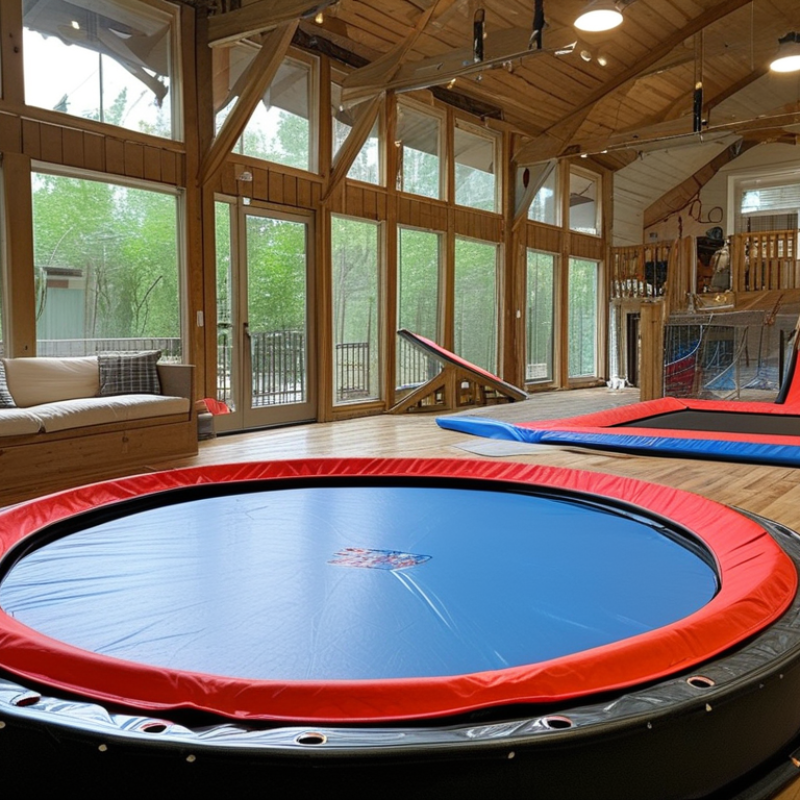
When considering home insurance, it's essential to understand the potential liability risks associated with trampolines. These backyard attractions can be a source of fun for families, but they also pose significant safety concerns. Falling off a trampoline or colliding with another jumper can lead to serious injuries. These incidents may lead to costly medical bills and, ultimately, insurance claims.
Insurance companies often view trampolines as high-risk items. This perception can affect your premium rates. In some cases, insurers may require additional liability coverage or even exclude coverage for trampoline-related incidents. Choosing to have a trampoline may require additional research into your insurance policy. Speak with your insurer to understand the specifics of your coverage.
It's crucial to take precautions if you decide to have a trampoline. Installing safety nets and supervising jumpers can reduce accidents. While these measures can help, they do not eliminate risk entirely. Understanding the liability risks can help you make informed decisions regarding your insurance coverage. Ultimately, being proactive can protect both your family and your financial health.
Homeowners often worry about the implications of owning a trampoline. A trampoline can be an enjoyable addition to any backyard, but it brings important concerns. Data from the National Electronic Injury Surveillance System shows that over 100,000 trampoline-related injuries occur annually. These injuries often lead to costly medical bills, which may impact homeowner insurance.
Insurance companies consider several factors when assessing risk. Trampolines increase liability exposure. If a neighbor’s child is injured while bouncing, the homeowner could face legal challenges. Reports indicate that trampoline-related claims have risen, prompting insurers to adjust policies. In some cases, coverage for injuries has been limited or even excluded.
Homeowners must weigh enjoyment against potential risks. Proper padding, safety nets, and supervision can reduce injuries. However, these measures do not eliminate all risks. A 2022 survey found that nearly 30% of homeowners with trampolines reported minor injuries. Understanding the risks and their implications is crucial. It's essential to review your policy and discuss concerns with your insurance provider.
Trampoline ownership can significantly impact your home insurance premiums. Insurers often view trampolines as risks. They increase the potential for injuries, particularly among children. When you have a trampoline, insurers might categorize your home as higher risk. This can lead to increased premiums or even policy exclusions.
Many people underestimate the risk associated with trampolines. A simple backyard setup can invite numerous safety concerns. Without adequate safety measures, injuries can easily occur. Some owners simply assume their insurance will cover all incidents. However, this isn’t always the case. Some policies have specific clauses addressing trampolines.
Responsibility is key to mitigating these risks. Installing a safety net and supervising jumps can help prevent injuries. Yet, it’s crucial to inform your insurer about your trampoline. Transparency can lead to better coverage options. Ignoring this might result in surprises after an incident. Ultimately, trampoline ownership requires careful consideration. Taking proactive steps can help navigate the insurance landscape.
Trampolines can be a fun addition to your backyard, but they also pose certain risks. According to the American Academy of Pediatrics (AAP), trampoline injuries could lead to serious accidents. Reports indicate around 100,000 injuries annually linked to trampoline use. As trampoline popularity grows, so do concerns about safety and home insurance.
Implementing safety measures is critical. Consider using a trampoline with safety nets and padded edges. These features can significantly reduce injury risks. Regular maintenance checks for wear and tear are essential. Secure the trampoline when not in use, especially during harsh weather. Experts suggest laying down clear rules for trampoline use, like limiting it to one jumper at a time.
Tips: Always ensure adult supervision when kids jump. Designate specific times for play to avoid overcrowding. Teach users safe landing techniques. Evaluate your trampoline setup periodically for compliance with safety standards. By following such measures, you minimize risks and protect both your family and your home insurance policy.
Trampolines can be a delightful addition to your backyard, providing endless fun for children. However, they also pose real risks that may affect your home insurance coverage. Many policies have specific exclusions regarding trampolines, leading to potential financial pitfalls if an accident occurs. Understanding these exclusions is crucial for homeowners considering this investment.
Home insurance policies often classify trampolines as high-risk. This classification can result in higher premiums or even a refusal to cover liability claims. In some cases, insurers may require additional safety measures, such as enclosures or padding. Failing to comply with these requirements could leave you vulnerable.
It's essential to read your insurance policy carefully. Many homeowners overlook the fine print that details exclusions. Failing to do so could lead to devastating consequences in case of an injury. Engaging with an insurance expert can provide clarity and ensure you understand your policy fully. Investing in trampoline safety is also wise. But you must consider the insurance implications carefully to avoid unexpected surprises down the road.
| Dimension | Details |
|---|---|
| Trampoline Ownership Rate | 10% of households |
| Injury Claims Related to Trampolines | 5,000 claims per year |
| Average Homeowner's Insurance Premium | $1,500 annually |
| Potential Increase in Premium Due to Trampoline | Up to 20% |
| Percentage of Policies with Trampoline Exclusions | 30% |
| Trampoline Safety Recommendations | Use safety nets, supervise usage |
: Trampolines pose risks of falls and collisions, leading to serious injuries.
Insurers view trampolines as high-risk, which may increase premium rates or limit coverage.
Homeowners might need extra liability coverage and should discuss specifics with their insurer.
Use safety nets, padding, and adult supervision to minimize the risk of injuries.
Yes, over 100,000 trampoline-related injuries occur annually, impacting homeowners' insurance and health.
No, while safety measures reduce risks, they cannot completely eliminate them.
Regularly check for wear and tear, and establish rules for safe use and supervision.
They should evaluate enjoyment against potential liabilities, considering insurance implications.
Yes, securing it can prevent accidents during rough weather and unauthorized use.
Yes, teaching safe landing techniques and limiting jumpers can enhance safety significantly.
The article titled "Are Trampolines a Risk for My Home Insurance in 2026?" explores the implications of trampoline ownership on home insurance policies and liability risks. It begins by examining the fundamentals of home insurance and how it relates to potential liabilities homeowners may face. The section on common concerns highlights that trampolines can significantly increase the risk profile of a property, raising questions about whether trampolines actually are a liability for my home insurance.
Furthermore, the article discusses how trampoline ownership can impact insurance premiums and the potential for exclusions in home insurance policies. It emphasizes the importance of implementing safety measures to mitigate risks associated with trampoline use, such as proper installation and regular maintenance. Ultimately, homeowners are encouraged to carefully assess their insurance policies to understand the nuances related to trampolines and to take proactive steps in protecting their homes and ensuring they are adequately covered.

ProGear Sport