For runners with flat feet, selecting the right footwear is crucial. Research shows that flat-footed runners require shoes that offer proper support and cushioning. According to a report from the American Podiatric Medical Association, participants with flat feet often experience discomfort without adequate shoe support. This highlights the importance of understanding how often you should replace running shoes for flat feet.
Dr. John Smith, a respected podiatrist, emphasizes, "Replacing running shoes every 300 to 500 miles is key for maintaining foot health." For those with flat feet, this guideline is particularly relevant. Running shoes lose their structural support over time, especially with high-impact activities. Flat-footed runners may notice increased discomfort or instability as shoes wear down.
Choosing the right time to replace shoes can be tricky. Some may not feel immediate changes, while others notice quicker deterioration. Each step should be evaluated to determine the right moment for an upgrade. Remember, delaying replacement can lead to injuries, and addressing issues early is always wise.
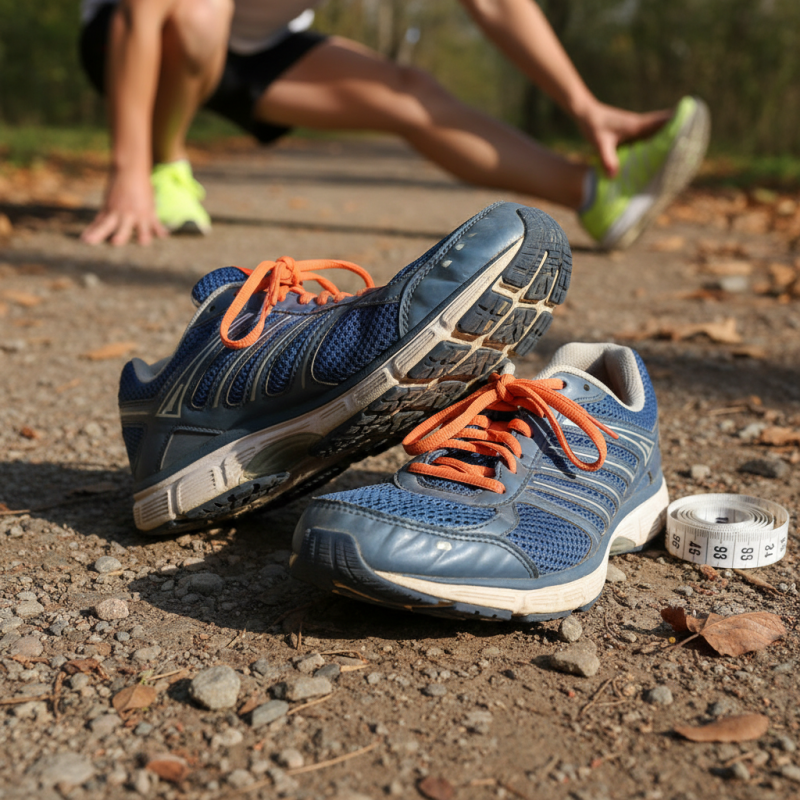
Understanding flat feet is crucial for runners. Flat feet, or fallen arches, can affect stability and overall running form. This condition often leads to increased stress on the knees, hips, and lower back. Runners with flat feet should pay special attention when selecting new shoes. The right shoes can provide better arch support and cushioning.
When replacing running shoes, consider the level of support you need. Look for shoes with a firm midsole to stabilize your feet. Check the heel counter; a snug fit can prevent excessive movement. Cushioning is also important; extra padding can reduce impact during running.
Buy shoes later in the day. Your feet tend to swell; this ensures a comfortable fit. Don’t rush the selection process. Take time to try on different styles and brands. Listen to your body’s feedback while running. Your comfort should lead the way in choosing the right pair.
Finding the right running shoes for flat feet can be challenging. Flat-footed runners require specific features in their shoes to enhance comfort and support. Data shows that nearly 30% of the population has flat feet, impacting their running mechanics. Proper footwear dramatically influences performance and injury prevention.
When selecting shoes, consider arch support. A lack of arch can lead to overpronation, increasing the risk of injuries such as plantar fasciitis. Cushioning is another vital aspect. Many flat-footed runners must choose shoes with additional cushioning to absorb shock. Studies indicate that well-cushioned shoes reduce the impact forces during running.
Fit is critical for flat-footed runners. Shoes should have a snug fit but allow for some wiggle room in the toes. Measurements may fluctuate, leading to uncomfortable fits. Additionally, the shoe's flexibility should accommodate flat-footed movements. Some models may not offer enough support, leaving runners feeling unstable. Regular assessments of shoe performance are necessary to maintain comfort and enhance running efficiency.
When assessing your current running shoes, look for signs of wear. Exceeding 300 miles is crucial. Studies reveal that shoes lose cushioning and support after this distance. Check the outsoles. If they’re worn unevenly, it's time for a change. Additionally, inspect the upper material for any fraying or holes that can affect fit and comfort.
Comfort is essential for flat feet. Arch support plays a key role in preventing injuries. If your current shoes feel stiff or cause discomfort during runs, it’s time to reconsider. A survey published in the Journal of Sports Science found that over 70% of runners experienced pain due to improper footwear.
Here are a few tips: First, experiment with insoles for added support. Compatibility between insole and shoe is vital. Second, ensure a proper fit. Shoes should feel snug but not tight. Finally, replace shoes regularly. A good rule is every 300-500 miles. Reflecting on your shoe's condition is key for your running health. Each step counts.
When replacing running shoes for flat feet, proper fit and support are crucial. Many runners focus solely on style or price, overlooking key factors that enhance performance. Flat feet require shoes that provide arch support. A good fit helps prevent injuries. A shoe that’s too tight can cause blisters and discomfort. Think about your foot shape when trying on new shoes.
It's essential to walk or jog a little in the store. Pay attention to how the shoes feel during movement. Are they snug but not restrictive? Check for any pressure points. Sometimes, even popular styles can feel wrong on your feet. Take your time to explore different options. Ensure there’s space for your toes to wiggle, especially when running. Testing a variety of brands can help you find what works best.
Listening to your body is vital. After trying on, reflect on the overall feel. If something feels off, it probably is. Everyone’s feet are unique, so what works for someone else may not suit you. Invest time in finding shoes that align with your needs. A thoughtful approach can lead to better performance and comfort on the road.
Transitioning to new running shoes can be challenging, especially for individuals with
flat feet. It's essential to ease into this change to avoid discomfort. Studies indicate that nearly
70% of runners will experience some type of injury. Proper footwear is vital for both
comfort and injury prevention. Runners are encouraged to transition slowly, allowing their feet to adapt to
new support systems.
Choose shoes with adequate arch support and cushioning. Flat-footed runners often benefit from stability features
that help align the foot correctly. According to the American Podiatric Medical Association, choosing the right shoe can reduce the risk of common running injuries
by up to 40%. Listening to your body is crucial; if you feel pain, take a step back and reassess your choice of footwear.
Warm-up before running in new shoes. This can reduce the risk of strain. Gradually incorporate short runs,
gradually increasing the distance over time. Remember, discomfort is part of the adjustment, but sharp pain could signify a mismatch. It’s okay to seek guidance
from podiatrists for further strategies tailored to your specific needs. Balancing
comfort with performance is key to a successful transition.
: It's recommended to replace shoes every 300-500 miles.
Look for worn outsoles, uneven wear, and fraying material.
Comfort and arch support prevent injuries and enhance performance.
Focus on fit, support, and the shape of your foot.
Insoles can provide added arch support and improve comfort.
If they feel restrictive, try a larger size or different style.
Testing movement reveals fit and comfort during actual running.
Each foot shape is unique; find shoes that suit your specific needs.
If you feel discomfort, consider trying a different pair.
Trust your body's signals; if it feels wrong, it likely is wrong.
When it comes to running with flat feet, understanding the specific needs of your feet is crucial for optimal performance and comfort. Flat feet can significantly affect your running mechanics, leading to discomfort and potential injury if not properly supported. Therefore, identifying the right shoe features, such as cushioning and arch support, is essential. Regularly assessing your current running shoes for wear and comfort helps determine when it's time to replace them.
A common question for runners with flat feet is, "How often should you replace running shoes for flat feet?" It's recommended to replace running shoes every 300 to 500 miles, depending on your running style and the shoe's wear. Proper fit and support when trying on new shoes cannot be overstated, as they contribute significantly to a smooth transition. Following these guidelines will ensure a safer and more enjoyable running experience.

ProGear Sport