Top 10 Tips for Using a Foam Roller for Lower Back Pain?

Time:2026-05-25 Author:Liam
0%

Experiencing lower back pain can be challenging. Many individuals seek relief through various methods. One effective tool is the foam roller. However, it's essential to understand how to use a foam roller for lower back pain safely. Using it incorrectly can lead to more discomfort instead of relief.

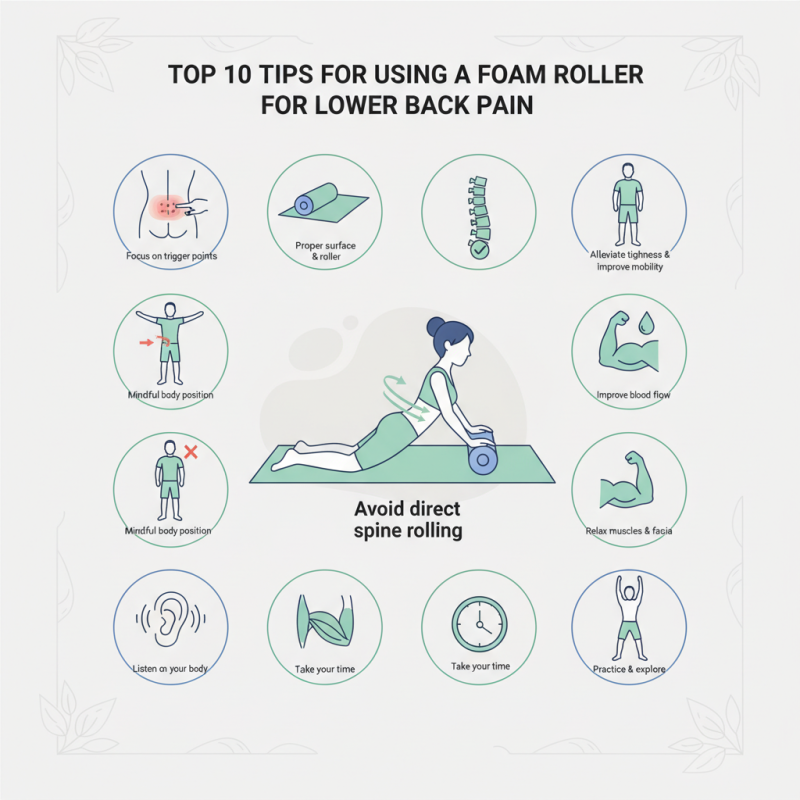
Foam rolling can help alleviate tightness and improve mobility. It works by applying pressure to specific areas, relaxing muscles and fascia. When done right, it can promote blood flow and reduce pain. Start by focusing on specific trigger points in the lower back, like the lumbar region or along the spine.

Before you begin, ensure that you have a proper surface and the correct foam roller for your needs. Be mindful of your body position while rolling. Avoid rolling directly on the spine; instead, focus on the muscles surrounding it. Always listen to your body’s signals and adjust your technique accordingly. Remember, practice makes perfect, but everyone’s body is different. Take your time exploring what works best for you.
Top 10 Tips for Using a Foam Roller for Lower Back Pain?

Understanding Lower Back Pain: Causes and Prevalence Statistics

Lower back pain is a common issue faced by many individuals. Studies indicate that approximately 80% of adults experience some form of back pain at least once in their lives. This condition can stem from various causes, including muscle strain, poor posture, or even underlying conditions like arthritis. Understanding these factors is crucial for effective treatment and management.

In terms of prevalence, lower back pain is often triggered by lifestyle choices. Sedentary behavior and lack of physical activity contribute significantly to this issue. Moreover, sitting for long periods can create tension in the lower back area. Interestingly, many people are unaware of how their daily habits can lead to discomfort. Incorporating simple stretches and using tools like a foam roller may offer some relief. Engaging in these practices can enhance flexibility and reduce pain, yet they require consistency and patience.

The Role of Foam Rolling in Muscle Recovery and Pain Relief

Foam rolling has gained attention for its role in muscle recovery and pain relief, particularly for chronic lower back pain. The technique involves applying pressure to tight muscle knots and fascia, helping to increase blood flow. As a result, it facilitates nutrient delivery, which is crucial for recovery. Regular foam rolling can enhance flexibility and range of motion, making everyday activities easier.

However, improper technique can lead to discomfort or even injury. Beginners often roll too aggressively or focus on one area for too long. This can aggravate existing pain instead of alleviating it. It’s essential to approach foam rolling mindfully. Start slowly and pay attention to your body's signals.

Achieving the desired benefits from foam rolling takes practice and patience. It’s not a one-time fix; consistency is key. Incorporate it into your routine, but listen to your body’s response. If pain persists despite your efforts, it may be time to consult a health professional.

Effective Foam Rolling Techniques for Targeting Lower Back Muscles

Foam rolling can be a game changer for lower back pain relief. This technique focuses on self-myofascial release, which helps to relieve muscle tightness. When targeting lower back muscles, it’s essential to approach it with caution. Start by sitting on the floor and placing the foam roller beneath your lower back. Gently roll back and forth, focusing on tender spots. Breathe deeply during this process to enhance relaxation.

It's crucial to know where to apply pressure. The quadratus lumborum, a key muscle in your lower back, often holds tension. Position the foam roller to the side of your spine and roll side to side. This may be uncomfortable—that's okay. It’s a sign of muscle tightness. Spend extra time on these sore areas but avoid placing the roller directly on your spine. Always listen to your body.

Once you’ve rolled out these muscles, try adding gentle stretches. Elongating muscles after foam rolling can further alleviate tension. Knees to chest stretches can be effective and calming. While foam rolling can significantly enhance flexibility, it requires practice and patience. Don’t hesitate to reflect on your technique. Adjust your approach if certain movements feel off. Continuously learning how your body responds is key to improvement.

Top 10 Benefits of Foam Rolling for Lower Back Pain

This bar chart illustrates the effectiveness of foam rolling techniques in providing various benefits for lower back pain relief. Each benefit has been rated based on effectiveness, showcasing how foam rolling contributes to overall back health and pain management.

Recommended Foam Roller Types and Their Impact on Lower Back Pain

When addressing lower back pain, choosing the right foam roller is crucial. Research indicates that using a foam roller can lead to a 49% reduction in lower back pain, mainly by increasing blood flow and flexibility. Soft foam rollers are ideal for beginners, as they provide gentle pressure without causing discomfort. They can help release muscle tension effectively, making them a popular choice among physical therapists.

Intermediate to firm rollers offer a deeper massage. A study published in the Journal of Athletic Training showed that these firmer options are effective for myofascial release. However, they can trigger soreness in users new to foam rolling. It’s vital to listen to your body. Start with softer rollers and progress as your tolerance builds. Remember, not every roller suits everyone. Consider your pain level and overall comfort, as this influences your rolling experience.

While foam rollers generally improve mobility, improper use can lead to injury. Those with chronic pain should consult healthcare providers before starting a foam rolling routine. Resources from the American Physical Therapy Association stress the importance of personalized assessments. Ultimately, experimenting with various types can help individuals find what best relieves their specific pain.

Guidelines for Safe Foam Rolling Practices to Avoid Injury

Foam rolling can be a great tool for relieving lower back pain, but safety should always come first. Begin by positioning yourself correctly. Use the foam roller on a flat surface, and have a comfortable mat underneath. Start with moderate pressure; too much can lead to bruising or muscle damage. Roll slowly, and don’t rush through the movements. Keep your breathing steady to help reduce tension.

Target specific areas like the lumbar spine, but avoid rolling directly on the spine. Instead, focus on the muscles surrounding it. If something feels painful, stop immediately. You might need to adjust your technique. Experiment with different angles to find what feels best. Consistency is key, but always listen to your body. Too much foam rolling can lead to soreness rather than relief.

After each session, take a moment to reflect. Are there areas that still feel tight? Consider adjusting your routine based on these observations. Foam rolling isn’t a one-size-fits-all solution; finding what works for you may take time. Regularly assess how your body reacts, and be willing to adapt your practices.

Top 10 Tips for Using a Foam Roller for Lower Back Pain

Tip Description Frequency Duration
Start Slowly Begin with gentle pressure to avoid muscle strain. 1-2 times a week 5-10 minutes
Target Specific Areas Focus on tight muscle groups in the lower back. 2-3 times a week 8-12 minutes
Avoid Bony Areas Do not roll over the spine or joints directly. Every session N/A
Use Proper Technique Maintain a stable body position to enhance effectiveness. Every session N/A
Incorporate Breathing Deep breathing helps to relax muscles. Throughout the session N/A
Modify Pressure Adjust your body weight to modulate pressure on the roller. Every session N/A
Stay Hydrated Drinking water helps flush out toxins released during rolling. Always N/A
Avoid Over-Rolling Limit rolling time to prevent bruising and excessive soreness. As needed 5-10 minutes
Consult a Professional Seek guidance if unsure about techniques or safety. Before starting N/A
Listen to Your Body Stop if you experience severe pain or discomfort. Every session N/A

FAQS

: What is the main benefit of foam rolling?

: Foam rolling helps increase blood flow and nutrient delivery, aiding muscle recovery and pain relief.

How should beginners approach foam rolling?

Start slowly and gently. Pay attention to your body's signals to avoid discomfort or injury.

What happens if you roll too aggressively?

Rolling aggressively may aggravate existing pain instead of alleviating it. Always listen to your body.

Which lower back muscle should I target when foam rolling?

Focus on the quadratus lumborum. This muscle often holds tension and may require special attention.

Can foam rolling improve flexibility?

Yes, consistent foam rolling can enhance flexibility and range of motion, making daily activities easier.

What should I do after foam rolling?

Incorporate gentle stretches, such as knees to chest. This can further relieve tension in your muscles.

Which type of foam roller is best for beginners?

Soft foam rollers are recommended for beginners, as they provide gentle pressure and help release muscle tension.

Can improper use of foam rollers lead to injuries?

Yes, improper use can cause injuries. Consult a healthcare provider before starting foam rolling, especially with chronic pain.

How can I know if I need to change my foam rolling technique?

Reflect on your technique regularly. If certain movements feel off, adjust your approach based on how your body responds.

Is foam rolling a one-time fix for pain relief?

No, foam rolling requires consistency and patience for effective results. It’s not a quick solution.

Conclusion

Foam rollers are widely recognized for their effectiveness in alleviating lower back pain, but understanding how to use a foam roller for lower back pain safely is essential to avoid injury. Lower back pain can stem from various causes, including muscle strain, poor posture, and prolonged sitting. Incorporating foam rolling into your muscle recovery routine can provide significant relief by targeting specific muscle groups in the lower back, promoting circulation, and enhancing flexibility.

To effectively use a foam roller, it's important to apply proper techniques that focus on areas of tension while ensuring your body is supported. Choosing the right type of foam roller based on your needs can also impact the effectiveness of your relief. Finally, adhering to guidelines for safe foam rolling practices will help you maximize benefits while minimizing the risk of further injury, making foam rolling a valuable tool in managing lower back discomfort.

Liam

Liam

Liam is a dedicated marketing professional with a profound expertise in the industry, where he excels at highlighting the unique advantages of our core products. With a keen understanding of market trends and consumer needs, Liam frequently updates our company’s professional blog, providing......