Top 10 Cheap Treadmills Worth Buying That Won’t Break in a Month

Time:2026-09-24 Author:Ethan
0%

A low-cost treadmill can be a practical choice for walking, light jogging, or getting more steps in on rainy days. But price alone tells you very little. The frame, motor, belt size, weight limit, and warranty all affect how well a machine holds up. A treadmill that feels steady during a short test may wobble after weeks of daily use. Small details matter.

Is it worth buying a cheap treadmill or will it break in a month? The honest answer depends on how you plan to use it. A compact walking pad may suit a small apartment, while regular running calls for a stronger motor and a wider, longer belt. Check the manufacturer’s specifications, user reviews, and return policy before buying. Pay attention to reports of belt slipping, noisy operation, or difficult assembly—not just star ratings.

This guide looks at ten affordable treadmills and weighs their features against their limits. No budget machine is perfect. Some trade cushioning or speed for a lower price, and that may be fine for your routine. Choose based on your space, workout habits, and realistic expectations, not a flashy discount.
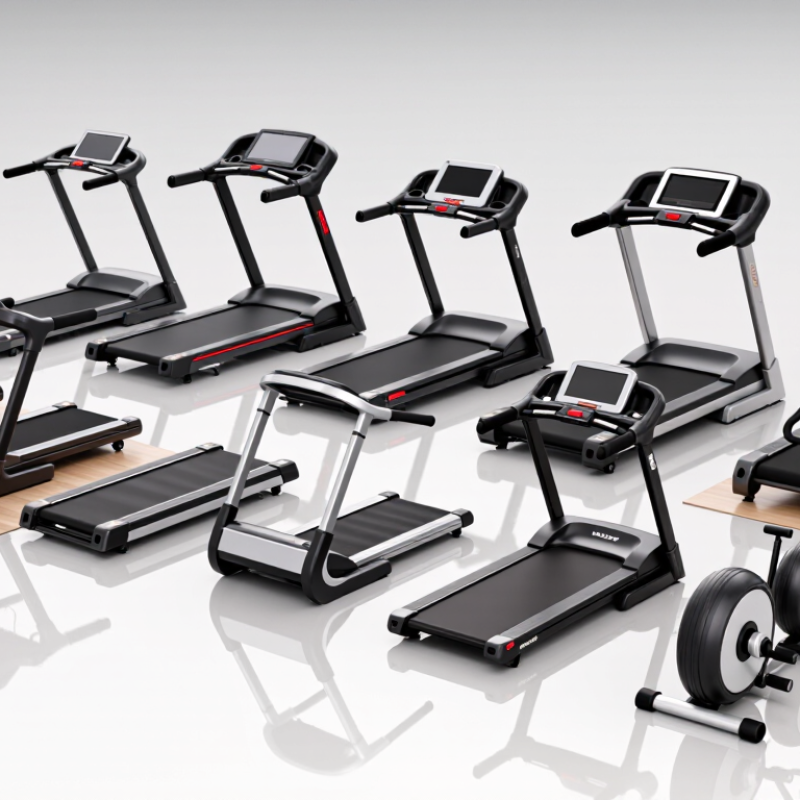
Top 10 Cheap Treadmills Worth Buying That Won’t Break in a Month

What Makes a Budget Treadmill Durable and Worth Buying

A budget treadmill lasts longer when its frame, belt, and motor suit the way you actually train. Check the stated user-weight limit, then leave a margin rather than exercising at the machine’s maximum capacity every day. A heavy steel frame should feel steady underfoot, with little side-to-side movement during a brisk walk. Listen, too. A new machine that rattles or slips during a short test may need frequent adjustment.

Look for clear maintenance instructions and replacement parts, not just a low price. The ASTM F2115-19 standard sets safety requirements for motorized treadmills, including stability and moving-part hazards; it is a useful benchmark, though compliance alone does not prove long-term durability. Ask whether the belt needs regular lubrication and whether the deck can be serviced. Small details matter. A belt that tracks evenly and a console with simple controls can make routine upkeep less frustrating. I would also read warranty terms closely: coverage for the frame may differ from coverage for the motor, electronics, and labor.

Published performance figures can be imperfect guides. A horsepower number without a stated testing method may tell you little about sustained use. Match the treadmill to your routine: walking several times weekly puts different demands on it than daily running. Check the belt length in person if possible; short belts can make a natural stride feel cramped. Leave room for error. Budget machines vary, and even careful research cannot predict every failure.

Key Features to Compare Before Choosing an Affordable Treadmill

An affordable treadmill should feel steady before you worry about extra programs. Compare the motor’s continuous-duty rating, not just a peak-power number, which may describe only brief output. Check the user-weight limit and leave a sensible margin if several people will use it. A frame that rocks during a brisk walk can become tiring fast. Try the machine in person when possible; online specifications cannot tell you how the belt feels underfoot.

Measure the running surface, too. A narrow belt may feel manageable at first, then cramped when you lengthen your stride. Look for a clear speed range, simple incline controls, and an emergency stop that is easy to reach. Check the folded dimensions and weight before buying, especially if the treadmill must pass through a tight doorway. Warranty terms matter, but read the details: coverage for the frame may differ from coverage for the motor, belt, and labor. I once underestimated the space needed to unfold a machine. Not ideal.

Tips: Walk on the treadmill for several minutes and listen for uneven knocks or belt slipping. Ask how often the belt needs lubrication and whether replacement parts are available. A quiet, basic console can be a better value than a flashy screen you rarely use. Also, affordable models can still need routine care; no price guarantees a trouble-free month.

Ten Low-Cost Treadmills Built for Reliable Everyday Use

A low-cost treadmill can handle daily walking if its frame feels steady and its controls are simple. Check the weight limit, belt dimensions, and warranty before comparing extra features. A narrow belt may feel fine during a showroom test, then cramped when you lengthen your stride at home. Measure the available floor space, too, including room behind the machine.

Look for a motor and deck suited to your actual routine, not an advertised maximum you will rarely use. Read reviews for repeated reports of belt slipping, noisy bearings, or difficult repairs. One complaint proves little. A pattern matters. During a test, walk for several minutes and notice whether the console wobbles or the belt drifts underfoot. These small signs can reveal more than a long feature list.

Routine care helps any treadmill last: keep the belt clean, follow the manual’s lubrication guidance, and tighten loose hardware when instructed. Still, budget machines can be inconsistent, and some parts may be hard to source. I would rather choose a plain model with clear service support than pay extra for screens I will probably ignore. Reliability is practical, not flashy.

How to Match a Budget Treadmill to Your Space and Fitness Goals

A budget treadmill should fit your room before it fits your workout plan. Measure the machine’s footprint, then leave clear space behind it for safe stepping off. Check the folded dimensions, too; a treadmill that blocks a closet will quickly become expensive clutter. Small detail. Measure doorways and stair turns before delivery, since a compact frame can still be awkward to move.

Match the belt and motor to how you actually train. For walking, a shorter belt may work; taller runners often need more length for a natural stride. If possible, test the deck in person and walk at your usual pace. Listen for rattling, and check whether the console remains steady. A low price alone tells you little about durability. The American College of Sports Medicine’s annual fitness trends report tracks home-based exercise as a continuing category, but it does not certify individual machines. Treat trend data as context, not a guarantee.

Plan around realistic weekly use. The U.S. Department of Health and Human Services’ Physical Activity Guidelines recommend 150 to 300 minutes of moderate-intensity activity weekly for adults. That may mean several short sessions, so easy controls and a stable handrail matter. Compare the warranty’s coverage for the frame, motor, and labor, and read its exclusions carefully. Be honest with yourself: a steep incline sounds useful, but a feature you never use adds little value. A quiet, sturdy treadmill that fits your room may serve you better than a larger machine with impressive specifications.

Maintenance Practices That Help Extend a Treadmill’s Lifespan

A cheap treadmill can last, but neglect adds friction long before the motor gives out. The CDC recommends at least 150 minutes of moderate aerobic activity each week for adults. That equals about 130 hours of use yearly, even at the minimum target. More users mean more belt wear. Keep a simple log of weekly hours; it makes maintenance intervals easier to judge.

After each workout, wipe sweat from the handrails and console with a soft cloth. Once a week, vacuum around the motor cover and under the deck if the manual permits it. Dust traps heat. Check that the belt stays centered and does not slip underfoot; stop using the machine if it shifts suddenly or makes a new scraping sound. Tightening it too much can strain the motor, so follow the specific manual rather than guessing. I learned that the hard way.

Lubricate only when the manual calls for it, and use the specified product. Some decks are maintenance-free, so extra lubricant can cause belt slip. Every month, inspect the power cord, frame bolts, and belt edges for fraying or looseness. Keep the treadmill level, with clear space around it for airflow. Small checks take minutes. Skipping one is easy. Don’t.

Top 10 Cheap Treadmills Worth Buying That Won’t Break in a Month

Maintenance Practices That Help Extend a Treadmill’s Lifespan

Suggested cadence shown as approximate occurrences per year: clean the deck and surrounding area weekly, inspect the belt monthly, and check for loose fasteners quarterly. Lubrication needs vary by treadmill, so follow the owner’s manual rather than using a fixed schedule.

FAQS

What should I check before buying a low-cost treadmill?

Check the weight limit, belt size, warranty, and available floor space. A cramped belt can make longer strides uncomfortable.

How much room should I leave around a treadmill?

Measure its footprint and folded size. Leave clear space behind it, and check doorways and stair turns before delivery.

What belt length is suitable for walking?

A shorter belt may work for walking. Taller users and longer strides may need more length, so test the deck if possible.

How can I spot possible durability problems?

Walk for several minutes and notice rattling, console wobble, or belt drift. Repeated complaints in reviews matter more than one isolated report.

Should I choose a treadmill with many extra features?

Not necessarily. Simple controls, a steady frame, and useful service support may matter more than a screen or steep incline.

What warranty details should I compare?

Review coverage for the frame, motor, and labor. Read exclusions carefully; the headline warranty length may not tell the whole story.

How often should I maintain a treadmill?

Keep the belt clean, follow the manual’s lubrication guidance, and tighten hardware as instructed. Small chores can prevent bigger problems.

How much weekly activity should I plan for?

Adult guidelines recommend 150 to 300 minutes of moderate activity weekly. Several short sessions may be more realistic than long workouts.

Is a low price a reliable sign of value?

No. Check whether the treadmill suits your routine and room. A plain model can be a better fit, though budget machines vary.

Conclusion

A cheap treadmill can be a worthwhile investment when you look beyond the price tag and choose one designed for steady, everyday use. Consider the frame’s stability, motor capacity, belt size, weight limit, cushioning, warranty, and user reviews before buying. The question “Is it worth buying a cheap treadmill or will it break in a month” depends largely on whether the machine suits your intended workouts and is built to handle them. A compact walking model may be ideal for a small space, while regular running calls for a stronger motor, a wider belt, and a sturdier frame.

Among affordable options, focus on practical features and reliable construction rather than extras you may rarely use. Match the treadmill to your available space, fitness goals, and expected frequency of use, and check that it can be assembled and stored safely. Regular care can also help extend its lifespan: keep the belt and surrounding area clean, follow the manufacturer’s guidance for lubrication and adjustments, and avoid exceeding the stated weight or usage limits.

Ethan

Ethan

Ethan is a seasoned marketing professional with a deep expertise in our company's innovative product line. With a passion for sharing knowledge and insights, he takes the lead in regularly updating our corporate blog, where he explores industry trends, product features, and effective marketing......