When considering how to measure for a custom-fit mouthguard, it's essential to prioritize comfort and effectiveness. A mouthguard that fits well can provide protection during sports and other activities. Yet, many people overlook the importance of precise measurements.
The process may seem straightforward, but it can be tricky. Even minor miscalculations can lead to discomfort or insufficient protection. Utilizing the right techniques can make a significant difference. Engaging with a professional can enhance your knowledge and ensure accuracy.
Remember, a perfect fit is not just about measurements—it’s about understanding your unique dental structure. Take your time to gather the right tools and seek advice if needed. This attention to detail can ultimately lead to a mouthguard that truly meets your needs.
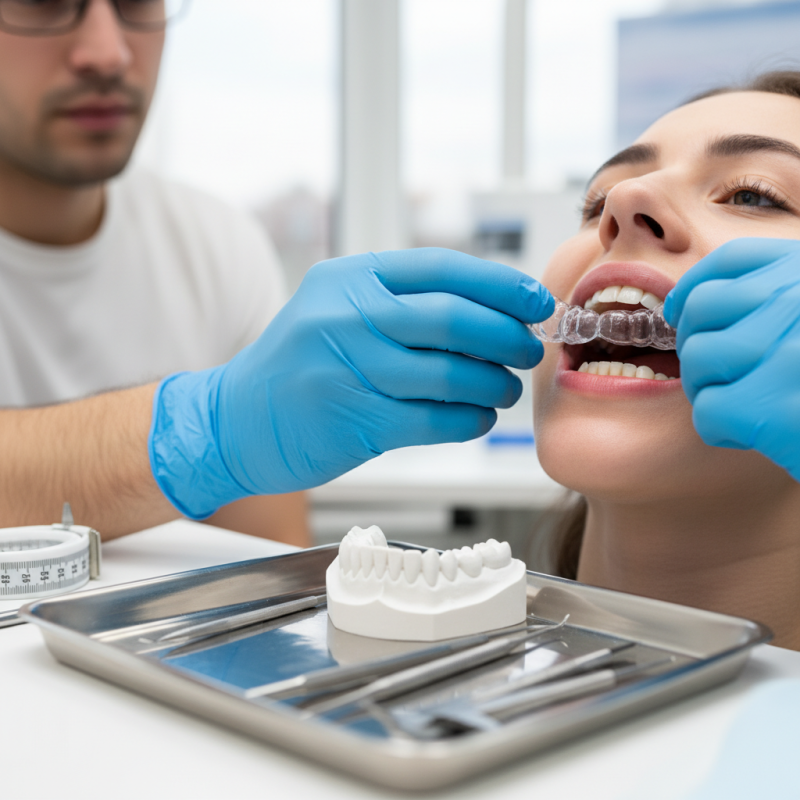
A proper fit is crucial for mouthguards. Studies show that close to 30% of athletes experience oral injuries during sports. Inadequate protection can lead to serious damage. This underscores the necessity of a custom fit. An ill-fitting mouthguard can compromise comfort and effectiveness, making it essential for athletes to measure accurately.
Taking precise measurements ensures a snug fit that offers optimal safety. Research indicates that athletes using custom-fit mouthguards have a 70% lower risk of injury compared to those with generic options. Customization helps to prevent movement during high-intensity sports. It also minimizes the risk of unintentional swallowing or dislodgment, which can be dangerous.
When measuring, focus on the upper arch's dimensions. Consider the width, length, and curvature.Each athlete’s mouth is unique, so guidelines may vary. Regular reassessment is necessary, as dental changes can alter fit over time. Thus, maintaining a proper fit is an ongoing process. Regular checks can deepen awareness of one’s own dental health and protective needs.
| Measurement Tip | Description | Importance |
|---|---|---|
| Measure Upper Teeth | Get the dimensions of the upper arch to ensure proper coverage. | Ensures the mouthguard fits securely over the upper teeth. |
| Check Jaw Alignment | Align the jaw before taking measurements to avoid misfits. | Improves comfort and effectiveness when wearing the mouthguard. |
| Consider Thickness | Decide on the thickness based on activity level and comfort. | Enhances protection while ensuring comfort during use. |
| Evaluate Gums and Bite | Assess how gums and bite interact for accurate fitting. | Prevents discomfort and enhances performance in sports. |
| Use a Fitting Tray | Utilize a fitting tray to capture the exact shape of teeth and gums. | Ensures precision in creating a customized mouthguard. |
Gathering the necessary materials is crucial for accurate mouthguard measurements. You will need a flexible measuring tape, a ruler, and dental impression material. A recent study from the American Dental Association highlighted that improper measurements can lead to discomfort and reduced protection. Therefore, it's vital to use precise tools.
Tip: Start by measuring the width of your upper arch. Place the tape across the widest point, ensuring it's snug but not tight. This measurement sets the foundation for a well-fitted mouthguard. Many users overlook their bite alignment. This oversight can result in a poorly fitting guard that may even harm dental health.
Next, measure the height from the gum line to the top of your teeth. Having accurate height ensures a comfortable fit. You might find it difficult at first, but it's worth it. Another critical point is to ask someone for help if needed. Your perspective might miss subtle details that can impact the overall fit.
Taking accurate dental impressions is crucial for a custom fit mouthguard. Many athletes overlook this process, yet improper fitting can hinder performance and lead to discomfort. According to dental industry reports, about 90% of athletes using mouthguards experience issues with fit, often due to poor impressions. This can result in protection loss and even dental injuries.
To begin, gather the necessary materials: dental impression trays, alginate, and a measuring tool. After choosing the right size of trays, mix the alginate as per instructions. This typically requires a specific water-to-powder ratio. Timing is key; the impression must be taken quickly before the mixture sets. Place the tray in your mouth while standing comfortably and breathe steadily. Ensuring you apply even pressure will yield more accurate results.
After taking the impression, evaluate it for clarity and accuracy. Look for clear details and ensure coverage of all necessary areas. If there are any gaps or distortions, you might need to start again. Studies show that up to 30% of impressions might need redoing due to lack of detail or improper technique. This reflects the value of precision in the fitting process, emphasizing the importance of investing time in getting it right. Properly executed impressions lead to enhanced oral protection and a more comfortable custom fit mouthguard.
Measuring for a custom fit mouthguard can seem straightforward, yet many make crucial mistakes. A common error is neglecting to account for the proper bite depth. This measurement is vital for comfort and performance. A study shows that improper bite can lead to oral issues, with 30% of athletes facing dental concerns due to ill-fitting mouthguards.
Another mistake is using inaccurate measuring tools. Relying on makeshift rulers can lead to significant discrepancies. Precision is key; even small errors can affect the mouthguard's effectiveness. Professionals recommend using calibrated measuring devices. A mouthguard should fit snugly but not restrict breathing or speech. Ensuring a clear pathway for airflow can enhance athletic performance.
Lastly, individuals often overlook the importance of a mold. Every mouth is unique, and a generic mold can compromise fit. Data indicates that 45% of injury-related dental visits are due to lack of proper protection. Those looking to avoid unnecessary dental visits should prioritize accurate assessments for a custom fit mouthguard. Ignoring these details often leads to discomfort and reduced protection.
When considering a custom fit mouthguard, consulting a professional is essential. They possess the expertise to guide you through the fitting process. A trained dentist or orthodontist can accurately assess your bite and jaw alignment. Their experience ensures that the mouthguard will offer the best protection and comfort.
During the appointment, they will take precise measurements of your teeth and gums. This can include using molds or digital scans. A proper fitting mouthguard should feel snug but not uncomfortable. If you feel any pressure or pain, communicate with your professional. Your feedback is crucial for adjustments.
A common issue is not following aftercare guidelines after the fitting. Proper maintenance extends the life of your mouthguard and protects your dental investment. Regular cleaning and storage in a safe place are simple steps that often get overlooked. Don’t hesitate to reach out to the professional for any concerns regarding fit or wear. Their knowledge can help ensure your mouthguard remains effective over time.
: A proper fit is crucial because it significantly reduces the risk of oral injuries during sports.
Studies show that nearly 30% of athletes face oral injuries while participating in sports.
Athletes using custom-fit mouthguards have a 70% lower risk of injury compared to those with generic options.
Focus on the upper arch's dimensions, including width, length, and curvature for an accurate fit.
Regular checks are needed because dental changes can affect the fit over time.
Consult a trained dentist or orthodontist to ensure the best protection and comfort.
Proper maintenance involves regular cleaning and safe storage to extend the life of your mouthguard.
Communicate any discomfort to your professional; your feedback is essential for necessary adjustments.
Many forget to follow aftercare guidelines, which can lead to decreased effectiveness.
Yes, a well-fitted mouthguard minimizes risks of unintentional swallowing or movement during sports.
When considering "How to measure for a custom-fit mouthguard?", it's essential to understand the significance of an accurate fit to ensure comfort and protection during sports or teeth grinding. Begin by gathering the necessary materials, such as dental impression trays and putty, which are crucial for capturing precise measurements of your dental structure.
Following this, a step-by-step guide for taking accurate dental impressions will help you achieve the best results. Avoid common mistakes, such as improper impression techniques or using the wrong materials, to enhance the fitting process. Finally, consulting a professional is highly recommended for ensuring a customized mouthguard that perfectly accommodates your dental profile, providing you with optimal protection and comfort.

ProGear Sport