As cycling technology advances, carbon fiber frames have become increasingly popular due to their strength and lightweight properties. However, understanding the integrity of these frames is crucial for safety and performance. What are the signs of a cracked carbon fiber frame? Neglecting potential damage can lead to catastrophic failures, especially for high-performance cyclists.
Industry reports indicate that approximately 15% of carbon fiber bicycle frames may suffer from micro-cracks over time. These small, often undetectable cracks can escalate, leading to frame failure. Riders should be aware of subtle indicators such as unusual sounds, changes in handling, or visible surface imperfections. Regular inspections are essential to catch potential issues early.
Recognizing the signs of damage is critical. For instance, a frame that feels less responsive or has a noticeable vibration might indicate internal cracks. While it is tempting to overlook minor signs, vigilance can prevent serious consequences. Cycling enthusiasts must acknowledge that even the best materials can fail and that proactive maintenance is vital for their safety. The integrity of your carbon fiber frame is not something to gamble with.
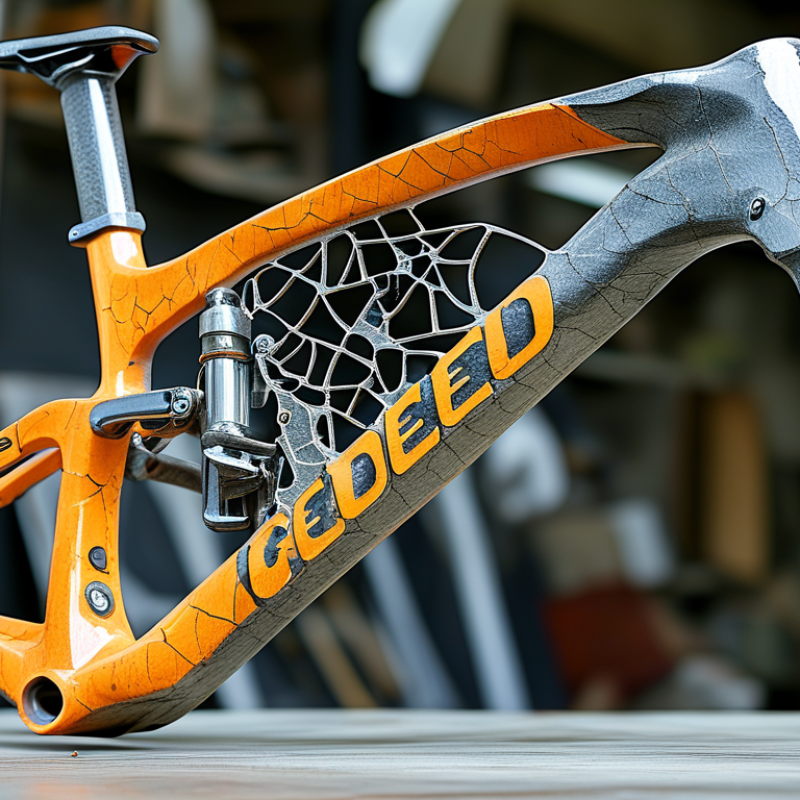
Detecting a cracked carbon fiber frame is essential for safety and performance. These frames, though lightweight and strong, can suffer from invisible damage. Look for visible signs like cracks on the surface. Sometimes, you may notice a difference in texture. Pay attention to any unusual sounds when applying force. A subtle pop or creak can indicate hidden issues.
Regular inspections play a crucial role. Use a flashlight to check all angles. Look for areas that feel different or may have developed a dull appearance. The importance of these checks cannot be overstated. Riding on damaged gear increases the risk of accidents. Even minor cracks can worsen over time, leading to catastrophic failures.
Always seek professional advice when in doubt. Remember, the stakes can be high. Trust professionals who specialize in carbon fiber repairs. In some cases, it may be wise to replace the frame entirely. This decision requires careful consideration of cost versus safety. Your well-being should always come first.
When it comes to carbon fiber frames, recognizing damage early can save time and money. A cracked frame may not be easily noticeable at first. Start by examining your frame closely. Look for any signs of surface cracks or dents. These may appear as tiny fissures in the carbon fiber matrix. They can be subtle, so take your time in inspection.
Pay attention to discoloration as well. A change in color can indicate compromised material. If you find any soft or spongy spots, these could signal deeper issues. Gently pressing on these areas can reveal hidden damage. Even slight delamination can compromise the entire structure, which is crucial to consider.
Don’t overlook the sound of your frame. A dull thud upon tapping may indicate internal damage. Each of these signs requires close attention and reflection. Ignoring them can lead to more serious problems down the road. Make it a habit to regularly check your frame to ensure safety and performance.
Cracks in a carbon fiber frame can significantly compromise performance and safety. When structural integrity is compromised, vehicles may experience handling issues. Data shows that even minor cracks can lead to a reduction in stiffness by up to 30%. This reduction can severely impact the frame's ability to absorb shocks, making it more susceptible to further damage.
The safety implications of a cracked frame are considerable. A compromised frame can increase the risk of catastrophic failure during operation. Reports from industry experts indicate that about 15% of accidents involving composite vehicles can be traced back to structural failures. Regular inspections are crucial for identifying early signs of damage.
Tips: Regularly check for visible cracks or separations. Pay attention to unusual sounds during rides. If you notice any anomalies, consult a professional for an assessment. Cracks should not be overlooked, even if they appear minor. Investing in preventive maintenance can save both lives and money.
A cracked carbon fiber frame can significantly impact the performance and safety of your equipment. To ensure its integrity, non-destructive testing (NDT) methods are crucial. These methods allow for thorough inspections without damaging the material. Common techniques include ultrasonic testing, thermography, and acoustic emission testing. Each offers unique benefits and varying levels of detail.
Ultrasonic testing utilizes high-frequency sound waves to detect imperfections within the frame. Research shows that it can identify defects up to 1mm deep. However, operator skill greatly affects results. Meanwhile, thermography uses infrared cameras to locate delaminations and damage. This method can cover large areas quickly, but it may miss some internal flaws. Acoustic emission testing monitors sound waves released during structural stress, providing insight into the material's condition during use.
While these techniques are effective, they are not foolproof. Factors such as environmental conditions and operator experience can influence accuracy. It's essential to conduct regular inspections and stay informed about the limitations of each method. Regular assessment can prevent catastrophic failures, but reliance on a single technique may lead to overlooked issues. Understanding the strengths and weaknesses of these testing methods is vital for maintaining carbon fiber integrity.
Maintaining the longevity of a carbon fiber frame requires a proactive approach. Regular inspections are essential. According to the Composite Materials Handbook, micro-cracks can form even in high-quality frames due to stress and environmental factors. Not all defects are visible, which makes thorough checks crucial. Use a flashlight to detect any unusual light reflections, indicating potential damage.
Preventative strategies include proper cleaning techniques. Dirt and debris can cause wear over time. A soft cloth and mild detergent will suffice. It’s also important to avoid exposing the frame to excessive temperature changes. Studies show that extreme heat can weaken the resin, leading to structural issues.
Storing the frame correctly is vital. Leaving it outside in harsh weather can cause irreversible damage. If you’re unsure, seek expert advice. Consulting with professionals can identify issues often overlooked. They can provide a deeper understanding of carbon fiber materials. Taking these steps will enhance frame durability. The focus should remain on careful handling and regular maintenance to ensure optimal performance.
: Look for visible cracks or changes in texture. Listen for unusual sounds like pops or creaks.
Regular checks prevent accidents. Invisible damages can worsen over time, compromising safety.
Cracks can reduce stiffness up to 30%. This affects shock absorption and overall performance.
Compromised frames increase the risk of catastrophic failures during operation. Be cautious.
Consult a professional for an assessment. Minor cracks can escalate into major issues.
Conduct regular inspections and avoid extreme temperature changes. Proper cleaning is essential.
Use a soft cloth and mild detergent. Avoid abrasive materials that can damage the frame.
No, harsh weather can cause irreversible damage. Store it in a sheltered environment.
Professionals can identify overlooked issues and provide insights on maintaining carbon fiber materials.
No, even small cracks should be addressed. They can lead to much bigger problems later.
A cracked carbon fiber frame can compromise both performance and safety, making it crucial for users to recognize the signs of damage. What are the signs of a cracked carbon fiber frame? Common indicators include visible cracks, delamination, or abnormal sounds during use. Understanding these visual signs and their potential impact on the frame's integrity is vital for ensuring safety.
To maintain the longevity of a carbon fiber frame, various non-destructive testing methods can be employed to assess structural integrity effectively. Additionally, prevention strategies, such as regular inspections and proper handling techniques, play a key role in minimizing wear and tear on the frame. By familiarizing oneself with these practices, users can better protect their investment and enhance the durability of their carbon fiber structures.

ProGear Sport