Why Do Resistance Bands Break After Months of Use?

Time:2026-04-29 Author:Mason
0%

Resistance bands are popular in fitness for their versatility and convenience. Many people rely on them for effective workouts at home or the gym. However, a common concern arises: "Why do resistance bands snap after a few months?" This question echoes through fitness communities.

Over time, wear and tear can diminish the durability of these bands. Factors like excessive stretching, improper storage, and exposure to environmental elements can contribute to their breakdown. Users often neglect the maintenance that these bands require. The material of the bands, typically latex or rubber, can degrade under high temperatures and UV light.

Many fitness enthusiasts might overlook these potential hazards. They may continue to use bands that display visible signs of wear. Recognizing these warning signs can prevent injuries and ensure safer workouts. Ultimately, understanding the causes of resistance band failure can enhance performance and longevity in fitness routines.
Why Do Resistance Bands Break After Months of Use?

Factors Contributing to the Longevity of Resistance Bands

Resistance bands are popular tools for strength training. However, they often break after a few months of use. Understanding the factors that contribute to their longevity can help in selecting and maintaining these versatile exercise tools.

Material quality plays a crucial role. Many bands are made from latex or rubber, which can degrade over time. Exposure to sunlight, humidity, and extreme temperatures can accelerate this deterioration. Even small tears or abrasions, often unnoticed, can weaken a band significantly. Regularly inspecting bands for visible damage can mitigate risks.

Another factor is usage intensity. Overstretching or using the band beyond its intended capacity leads to early breakage. Users often underestimate the stress placed on bands during intense workouts. Proper technique is essential. Ensuring you use the correct resistance level is vital. Many people choose bands that are too challenging, which increases wear and tear. Mindful use can enhance longevity and improve your training effectiveness.

Materials Used in Resistance Bands and Their Durability

Resistance bands are popular for strength training and rehabilitation. However, many users notice that these bands tend to break after several months of regular use. Understanding the materials used in resistance bands can shed light on why this happens.

Most resistance bands are made from latex or synthetic rubber. Latex is natural and provides excellent elasticity, but it can degrade over time. Factors like exposure to sunlight, humidity, and temperature can accelerate this process. Synthetic rubber bands, while often more durable, may not stretch as much. Users may choose one type over another based on personal preference and workout intensity.

Various construction techniques also influence their lifespan. Bands that are poorly manufactured may fray or snap more easily. Regular wear and tear, such as stretching beyond the recommended limits, can also contribute to breakage. It's essential to inspect bands routinely for signs of damage, such as small cracks or discoloration. A proactive approach can help extend the life of these fitness tools.

Why Do Resistance Bands Break After Months of Use? - Materials Used in Resistance Bands and Their Durability

Material Durability (Months) Tensile Strength (lbs) Common Usage
Natural Latex 6-12 50-100 General Training
Synthetic Rubber 12-24 70-150 Physical Therapy
Thermoplastic Elastomer (TPE) 8-16 60-120 Yoga and Flexibility
Nylon and Polyester 5-10 40-80 Strength Training

Common Usage Mistakes Leading to Band Breakage

Resistance bands are popular for their versatility and convenience. However, they can break, especially after months of use. This often results from common usage mistakes that can shorten their lifespan.

One frequent mistake is improper storage. Leaving bands exposed to direct sunlight, moisture, or extreme temperatures can degrade the material. Always store them in a cool, dry place. Additionally, avoid using bands on rough surfaces. Friction can wear down the rubber, leading to breaks. Use a mat or soft surface for your workouts.

Another issue is incorrect usage techniques. It's easy to overstretch a band or use it for exercises it isn't designed for. This can cause unnecessary strain. Ensure you’re using the right resistance for your strength level. If it feels too tight, switch to a lighter band.

Tips: Always inspect your bands before use. Look for any signs of wear or tears. Replace damaged bands immediately to avoid accidents. Adjust your form and ensure you’re using the band as intended. Taking these precautions can extend the life of your resistance bands.

Maintenance Tips for Prolonging Resistance Band Life

Resistance bands are popular for their versatility and portability. However, they can wear out after prolonged use. To ensure their longevity, proper maintenance is essential.

Regular inspection is crucial. Check your bands for visible signs of wear, such as tears or cracks. Even small issues can escalate quickly. If you notice any damage, replace the band immediately. Stretching your bands properly also helps. Avoid overstretching beyond their intended capacity.

Storage matters too. Keep your bands in a cool, dry place. Avoid exposing them to direct sunlight, which can degrade the material. If you notice your bands becoming sticky or discolored, consider cleaning them gently with mild soap and water. This can remove dirt and oils that accumulate from use. Even with care, resistance bands may eventually lose elasticity and break. It’s important to reflect on your usage patterns and make adjustments for optimal performance.

Signs That Indicate Resistance Bands Should Be Replaced

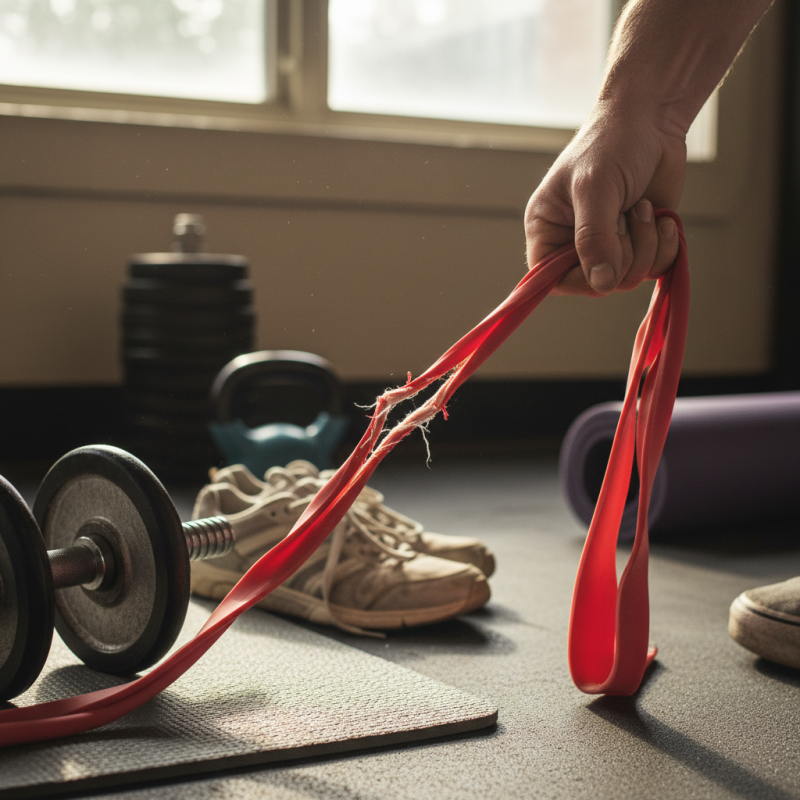
Resistance bands are a fantastic addition to any workout routine, providing versatility and convenience. However, they do have a lifespan. Recognizing when to replace them is essential for safety and effectiveness. One key indicator is obvious wear and tear. Check for cracks or cuts in the rubber. These can lead to sudden breaks during workouts.

Another sign is a loss of tension. If bands feel much easier to stretch than when you first got them, it's time to consider a replacement. Over time, repeated use can diminish elasticity. Pay attention to any unusual odors as well. A strong rubber smell might indicate degradation, impacting performance.

Lastly, fraying edges can be a red flag. If the band has excessive frays, it might snap unexpectedly. Regularly inspect your bands, even if they appear fine. Reflecting on your equipment’s condition is crucial. Ignoring signs of wear can lead to unwanted injuries during exercise. Keeping an eye on these details will help ensure your workouts remain safe and effective.

FAQS

: What is the best way to maintain resistance bands?

: Regularly inspect your bands for visible signs of wear, like tears or cracks.

Why is proper stretching important for resistance bands?

Proper stretching prevents overstretching, which can damage the bands' material and elasticity.

How should I store my resistance bands?

Keep them in a cool, dry place, away from direct sunlight to prevent material degradation.

What should I do if my bands become sticky or discolored?

Clean them gently with mild soap and water to remove dirt and oils.

How can I tell if my resistance bands need to be replaced?

Look for cracks or a loss of tension; these indicate that they might break during use.

What does a strong rubber smell indicate?

It may signal degradation of the material, impacting the band’s performance.

Why is it important to reflect on my usage patterns?

This helps you adjust your workouts and maintain optimal performance of your bands.

What are the risks of ignoring signs of wear?

Ignoring signs can lead to sudden breaks and possible injuries during exercise.

What should I do if I notice fraying edges on my bands?

Fraying edges can be a red flag; consider replacing the bands immediately for safety.

Are resistance bands forever?

No, over time they lose elasticity and may break, necessitating replacement for effective use.

Conclusion

Resistance bands are popular fitness tools, but many users wonder, "Why do resistance bands snap after a few months?" Several factors contribute to their longevity, including the materials used in their construction and the proper care they receive. High-quality materials typically enhance durability, while lower-grade options may lead to quicker wear and tear.

Common usage mistakes, such as overstretching or improper storage, can also accelerate band deterioration. To prolong the lifespan of resistance bands, it's essential to follow maintenance tips, including regular inspections for signs of damage. Recognizing indicators that suggest it's time to replace bands—like cracks, tears, or a noticeable loss of elasticity—can help users avoid unexpected breakage and ensure safety during workouts.

Mason

Mason

Mason is a seasoned marketing professional with a deep expertise in the company's offerings and a passion for driving brand awareness. With a strong background in digital marketing strategies, he has an innate ability to connect with diverse audiences and effectively communicate product benefits.......