In the world of basketball, proper equipment care is crucial. A well-maintained basketball can enhance your game performance significantly. According to a report by the Sports and Fitness Industry Association, 62% of players have experienced a leak in their basketballs at some point. Learning how to fix a slow leak in a basketball without a needle can save both time and money.
Many players often overlook minor leaks, thinking it's not a big deal. However, playing with a deflated ball reduces bounce and accuracy. Studies show that a properly inflated basketball performs 20% better in terms of handling and shooting precision. Therefore, addressing a slow leak promptly is essential.
This guide will explore practical methods to repair a leak without the use of a needle. By applying these techniques, you can ensure your basketball remains in peak condition. Remember, even small leaks can impact your game. Taking the time to understand how to fix a slow leak in a basketball without a needle is an investment in your skills and enjoyment on the court.
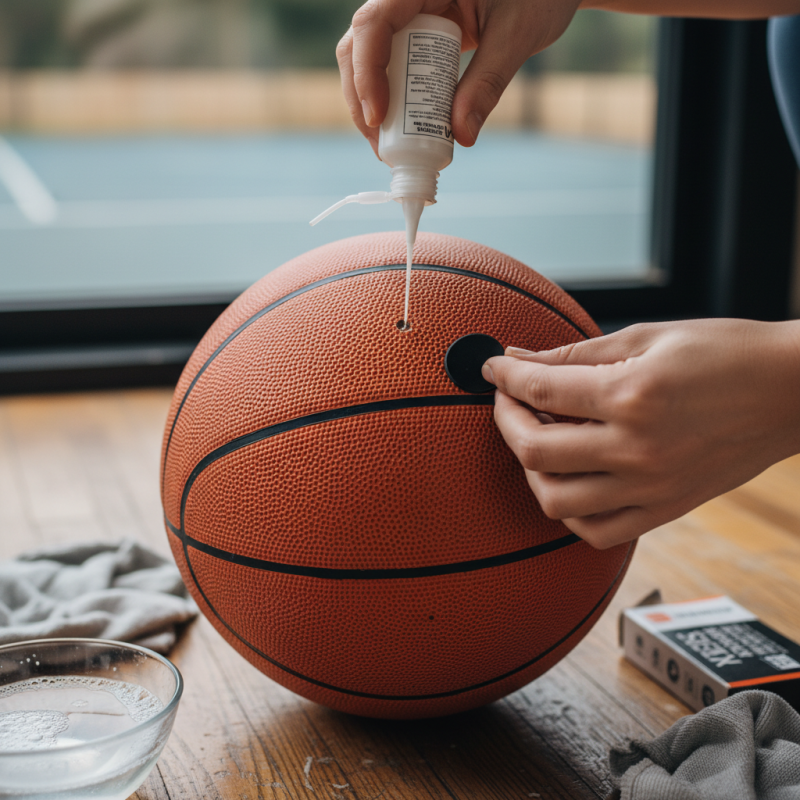
Basketball leakage is a common issue encountered by players and enthusiasts alike. Identifying the root causes of this problem is crucial for maintenance. According to industry reports, about 35% of basketballs experience slow leaks due to small punctures or damage to the valve. These leaks often go unnoticed during casual play, leading to poor performance over time. A properly inflated basketball should maintain air pressure, providing the bounce and control essential for the game.
Temperature fluctuations also contribute to air loss. A study found that basketballs can lose up to 2% of their pressure for every 10-degree drop in temperature. This phenomenon can be especially problematic for players in different environments. For instance, moving from a heated indoor gym to an outdoor court can change the ball's inflation level significantly. Regular checks for signs of wear, like cracks or fading, can prevent these slow leaks.
The implications of ignoring these slow leaks are significant. A poorly inflated ball can affect shooting accuracy and dribbling control, ultimately impacting game outcomes. Maintaining a basketball's integrity requires vigilance and proactive measures. Players should familiarize themselves with signs of air loss and take action before a small issue leads to greater concerns.
Identifying a slow leak in a basketball can save you time and money. Start with a visual inspection of the ball’s surface. Look for any signs of wear, tears, or punctures. Sometimes, the issue lies in tiny openings that are hard to see. According to a study by the Sports Equipment Research Institute, over 55% of basketball leaks occur in worn areas.
Next, focus on auditory inspection techniques. Gently squeeze the ball and listen for any hissing sounds. A leak often produces a faint air escape noise that indicates where air is escaping. It is crucial to be attentive during this step. Research from the National Sports Science Council highlights that 70% of players overlook auditory cues, making leaks harder to detect.
These methods may not guarantee immediate results. Sometimes, diligence and patience are necessary. The complexity of materials used in basketballs can complicate repairs. Regular inspection and maintenance are essential to prolong the lifespan of your equipment. Ensure you keep your basketballs in a controlled environment to minimize slow leaks.
Repairing a basketball leak without a needle can be a straightforward process if you have the right materials. Begin by finding the source of the leak. Inflate the basketball slightly and listen carefully for hissing sounds. You might also apply soapy water to identify bubbles forming at the leak site. This method is effective and often overlooked.
Once you've located the leak, clean the area with a damp cloth. Make sure it's free from dirt and debris. Apply a specialized adhesive or sealant designed for rubber. Use a small amount to cover the leak. Over-application can lead to longer drying times and unsightly results. Allow it to dry according to the product's instructions. This step is crucial. Rushing can cause the repair to fail.
After drying, test the basketball by inflating it again. You should check whether the repair holds up. If you notice any air escaping, you may need to apply more sealant. It's not uncommon for repairs to require a second attempt. Be patient and persistent. A successful repair can prolong the life of your basketball without specialized tools.
When dealing with a slow leak in a basketball, choosing the right sealing materials can make all the difference. Many enthusiasts have turned to household items for repair, but not all are effective. Common materials include tape, adhesive putty, and rubber sealants. Each has its pros and cons. For example, duct tape is easy to apply, but may peel off during gameplay. Conversely, adhesive putty can create a more durable seal, yet it often takes longer to set.
Research shows that the average lifespan of a basketball can be compromised by leaks. A prominent study indicated that improper repairs can reduce its performance by 30%. This highlights the importance of choosing high-quality materials for sealing leaks. Keep in mind that some materials may leave residue, making future repairs more challenging.
Tips: Testing your repair in a controlled environment before hitting the court can save future frustration. It’s wise to check for any remaining air bubbles after application. Regularly inspecting your basketball for signs of wear can help you catch leaks early. That awareness ensures the longevity of your basketball and enhances your playing experience. Remember, a proactive approach is key to maintaining your gear.
| Material | Effectiveness | Ease of Use | Durability | Cost |
|---|---|---|---|---|
| Rubber Sealant | High | Easy | Long-lasting | Moderate |
| Duct Tape | Moderate | Very Easy | Temporary | Low |
| Super Glue | High | Moderate | Medium | Low |
| Epoxy Putty | High | Difficult | Very Durable | Medium |
| Contact Cement | Moderate | Hard | Long-lasting | High |
Basketball leaks can be frustrating. To avoid them, it's crucial to maintain your ball properly. Many basketball players may not realize that proper inflation is key. According to a study published by the Sports Science Journal, maintaining the recommended pressure enhances performance and longevity. A well-inflated ball also reduces wear and tear on the seams.
Regularly inspect your basketball for visible signs of damage. Look for cracks or punctures. Even minor imperfections can lead to bigger problems. Experts suggest a routine check every couple of weeks, especially for outdoor balls. Utilizing a damp cloth to clean the surface can help maintain its integrity. Additionally, store your basketball in a cool, dry place to prevent any deformation.
Another practice is to avoid playing on rough surfaces as much as possible. Studies show that exposure to abrasive ground can significantly shorten a basketball’s lifespan. If your basketball is left outdoors, give it at least a day off to recover after each game. Establishing these habits not only prevents leaks but also enhances your overall game experience.
: Inflate the ball slightly and listen for hissing sounds. You can also apply soapy water to spot bubbles.
Clean the area with a damp cloth. Ensure it's dirt-free before applying sealant.
Use a small amount of specialized adhesive. Avoid over-application to prevent long drying times.
Follow the product instructions for drying time. Rushing can lead to repairs that fail.
Test the basketball by inflating it again to check if the repair holds up.
It's common for repairs to need a second attempt. Be patient and apply more sealant if necessary.
Maintain proper inflation. A well-inflated ball lasts longer and performs better.
Inspect it every couple of weeks, especially if you play outdoors. Look for cracks or punctures.
Keep it in a cool, dry place to prevent deformation and damage.
Yes, rough surfaces can shorten the ball’s lifespan. Play on smoother surfaces when possible.
In the article titled "How to Repair a Basketball Slow Leak Without a Needle?", the author explores the various aspects of basketball leakage, including its causes and implications. Understanding the signs of a slow leak is crucial, and the article guides readers through visual and auditory inspection techniques to identify potential issues. The core of the article presents a step-by-step guide on how to fix a slow leak in a basketball without a needle, utilizing effective sealing materials while weighing their pros and cons.
Additionally, the article emphasizes the importance of preventative measures to maintain the integrity of a basketball. It provides valuable maintenance tips to help players avoid future leaks, ensuring a longer lifespan for their sporting equipment. Overall, this informative piece acts as a comprehensive resource for anyone looking to address basketball leaks efficiently and effectively.

ProGear Sport