Maintaining cleanliness in gym environments is essential. Sweat odor from floor mats can be a significant issue. According to a recent report by the Fitness Industry Association, up to 78% of gym-goers find unpleasant smells in fitness centers off-putting. This indicates a need for effective cleaning strategies.
Experts like Dr. Emily Harris, a leading authority in gym sanitation, emphasize that "regular cleaning routines are key to eliminating sweat odors from gym floor mats." For facility managers, understanding how to clean sweat smell out of gym floor mats is crucial. This task is often underestimated, but it shouldn’t be.
Neglecting proper maintenance can lead to a poor gym experience. Users may feel uncomfortable, impacting their motivation to exercise. Thus, adopting the right cleaning techniques is vital for a healthier workout space. Investing in quality cleaning products and training staff can make a significant difference. Each cleaning session should be thorough and consistent to ensure a welcoming environment for all gym attendees.
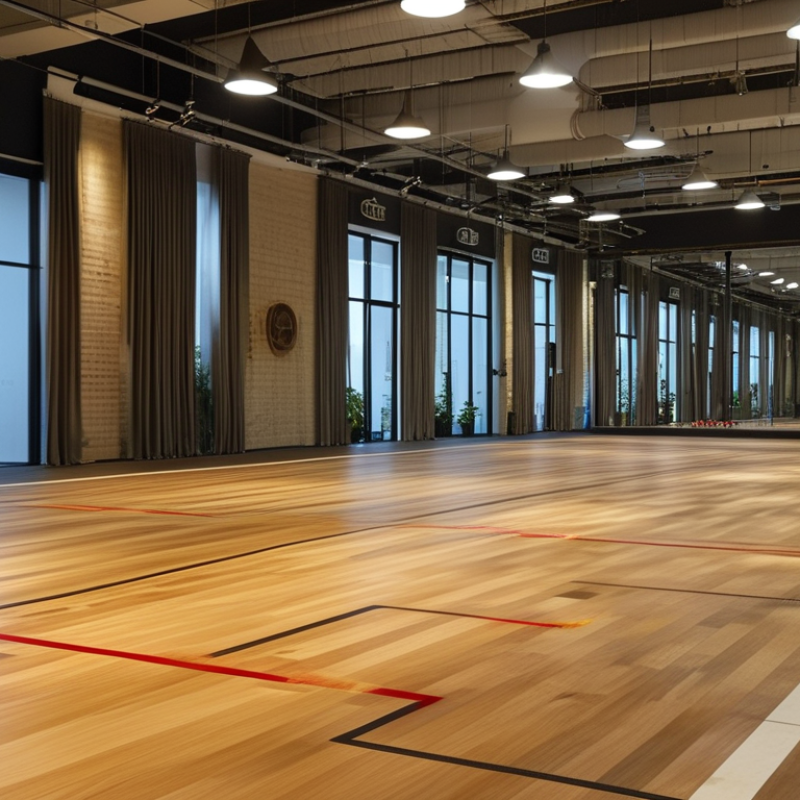
Sweat odor on gym floor mats can be a significant issue. Understanding its causes is crucial for effective removal. When people exercise, they release sweat that contains not just water but also bacteria. According to a study published in the Journal of Applied Microbiology, athletes can shed millions of bacteria during workouts. These bacteria thrive on organic matter, resulting in unpleasant odors that linger on mats.
Gym mats made from materials like rubber or PVC can trap sweat and bacteria. The porous nature of these materials allows sweat to seep in, making it difficult to clean effectively. This can lead to the growth of odor-causing bacteria, becoming increasingly challenging to manage. The American Society for Microbiology emphasizes that environments lacking proper ventilation can exacerbate these issues, creating a breeding ground for unwanted smells.
Cleaning gym mats requires a systematic approach. Regular maintenance, including disinfecting weekly, can help. Using solutions containing at least 70% alcohol can eliminate odor-causing bacteria effectively. However, many gyms overlook deep cleaning, resulting in persistent odors that can affect the workout environment. Reflecting on these cleaning practices shows there's always room for improvement in maintaining a fresh gym atmosphere.
When tackling sweat odor from gym floor mats, having the right cleaning supplies is essential. A report by the International Journal of Environmental Research highlights that gyms harbor numerous bacteria, contributing to unpleasant odors. Regular cleaning can mitigate these issues, but selecting the right tools is crucial.
Begin with basic supplies like white vinegar and baking soda. These natural ingredients are effective against odors while being safe for most materials. A mixture of vinegar and water can break down sweat stains and sanitize the surface. Baking soda acts as a deodorizer, absorbing smells over time. Use a spray bottle for even application, ensuring to cover all areas.
Microfiber cloths are invaluable for this process. Their texture captures dirt and sweat without scratching the mat’s surface. Additionally, a soft-bristle brush can assist in scrubbing tough stains. Always rinse the mat thoroughly after cleaning. While these methods are effective, some mats may retain odor over time, necessitating a deeper clean or periodic replacement. Keeping mats in a well-ventilated area can also hinder odor buildup. Regular maintenance, along with the right supplies, fosters a fresher gym environment.
| Cleaning Supply | Effectiveness | Application Method | Drying Time | Tips |
|---|---|---|---|---|
| Vinegar Solution | Highly Effective | Spray and wipe down | 30 minutes | Allow to air dry completely |
| Baking Soda | Moderately Effective | Sprinkle and vacuum | 1 hour | Let sit for best results |
| Commercial Odor Eliminators | Very Effective | Apply as directed | Varies by product | Use in well-ventilated area |
| Essential Oils | Moderately Effective | Mix with water and spray | 30 minutes | Choose scents you like |
| Enzyme Cleaners | Highly Effective | Follow product instructions | 30-60 minutes | Best for protein odors |
When it comes to cleaning gym floor mats, sweat odor can be a persistent problem. These mats absorb moisture and bacteria, leading to unpleasant smells. The International Journal of Environmental Research highlights that gym environments can host a range of bacteria, contributing to this issue. Therefore, it's essential to adopt effective cleaning methods to ensure a fresh, hygienic workout space.
A powerful solution to eliminate odor involves using a vinegar and water mix. Combine one cup of white vinegar with four cups of water in a spray bottle. Dampen the mats, let them sit for about 10 minutes, then wipe them clean. The acetic acid in vinegar fights bacteria. However, be cautious with excess liquid, as it may damage some mat materials.
Regular maintenance is crucial. Sweep or vacuum mats weekly to remove dirt and sweat residue. Avoid leaving damp mats folded or bunched up, which can breed bacteria. Implementing these practices can significantly reduce odors. Ensure the mats are allowed to air dry completely after cleaning, as moisture retention can lead to a renewed smell.
To further enhance cleanliness, consider using a mixture of baking soda and essential oils as a natural deodorizer. Sprinkle the blend on the mats. Let it sit for around 30 minutes, then vacuum it off. This not only helps to eliminate odors but also infuses a light fragrance into the air.
Maintaining freshness in gym mats is crucial, especially in high-traffic areas. Regular cleaning can help prevent odors and keep mats hygienic. A simple mixture of water and vinegar can be effective for daily maintenance. Spray this solution on the mats and wipe them down after workouts. This not only reduces germs but also eliminates sweat smells.
For a deeper clean, consider using a steam cleaner periodically. Steam penetrates the fibers, effectively killing bacteria and removing odors. Ensure that the mats are completely dry afterward to avoid mold growth. Also, store mats in a well-ventilated area. This can make a significant difference in odor control.
Preventive measures are key to keeping your gym mats fresh. Encourage users to wipe their feet before stepping onto the mats. Placing a few towels in the workout area can also help absorb excess moisture. Regularly inspecting the mats for wear can prevent deeper issues down the line. Taking these proactive steps helps create a pleasant workout environment.
When dealing with stubborn odors from gym floor mats, it’s crucial to recognize when professional help is necessary. Over time, sweat and bacteria can penetrate the mats, leading to lingering scents that homemade solutions often fail to eliminate. Research indicates that foam mats can harbor up to 10 billion bacteria per square inch. This shocking figure underscores the need for expert intervention when ordinary cleaning methods fall short.
Consider the signs that indicate professional cleaning is needed. If the odor persists after using consumer-grade cleaners, or if discoloration appears on the mats, it may be time to seek help. Ignoring these signs can lead to an unsafe gym environment. Public health data suggests that inadequate cleaning can increase the risk of infections, which should be a serious concern for gym owners.
Experts recommend deep cleaning every six months, depending on usage. If mats are used heavily, professional cleaning may be needed sooner. Techniques such as steam cleaning or UV sanitization effectively eliminate bacteria while maintaining the integrity of the mats. Trusting professionals ensures that odors are tackled thoroughly, creating a safe and pleasant workout space.
: Sweat and bacteria absorb into mats, leading to unpleasant smells.
Mix one cup of vinegar with four cups of water, spray, and wipe after 10 minutes.
Too much liquid can damage some mat materials, affecting their durability.
Sweep or vacuum mats weekly to remove dirt and sweat residue; it's essential for hygiene.
A mixture of baking soda and essential oils works well; sprinkle, let sit, and then vacuum.
If odors persist after cleaning or if mats show discoloration, it's time for expert help.
Ignoring cleaning can lead to increased bacteria, posing health risks in gym environments.
Every six months, or sooner if mats are used heavily, is recommended for best results.
Techniques like steam cleaning or UV sanitization effectively remove bacteria without damaging mats.
Persistent odors often indicate deeper issues; seek professional help before it becomes a bigger concern.
Removing sweat odor from gym floor mats is essential for maintaining a hygienic workout environment. To effectively address these odors, one must first understand the causes, which often stem from bacteria and moisture trapped in the mats. Essential cleaning supplies include vinegar, baking soda, or mild detergents, which can break down odor-causing elements.
A step-by-step cleaning guide involves initially removing dust and debris, followed by applying a cleaning solution and allowing it to sit before scrubbing and rinsing. To prevent future odors, regular maintenance and proper drying techniques are crucial. For persistent odors, it may be necessary to seek professional help. By following these guidelines, gym owners and users can learn how to clean sweat smell out of gym floor mats efficiently and keep their workout spaces fresh.

ProGear Sport