When considering the question of "How to properly dispose of old or broken exercise equipment?", many individuals find themselves at a loss. Disposing of exercise equipment safely is essential for both environmental and safety reasons. Old treadmills, weight benches, and bikes can take up significant space in our homes. They can also pose hazards if left unused or improperly discarded.
It’s important to recognize that disposal methods vary depending on the type of equipment. Some items may be recyclable, while others could be hazardous waste. Researching local recycling centers and waste management policies can help determine the best course of action. Many communities also offer specific drop-off days for items like these.
Additionally, donating functional items can provide new life to equipment while helping others. Not all equipment is broken; sometimes, it just needs a good cleaning or minor repairs. However, taking the time to reflect on what to do with unused exercise gear can lead to better decisions. This process ensures safety, promotes sustainability, and supports local communities. Consider reaching out to local charities, recycling programs, or even online platforms for responsible disposal options.
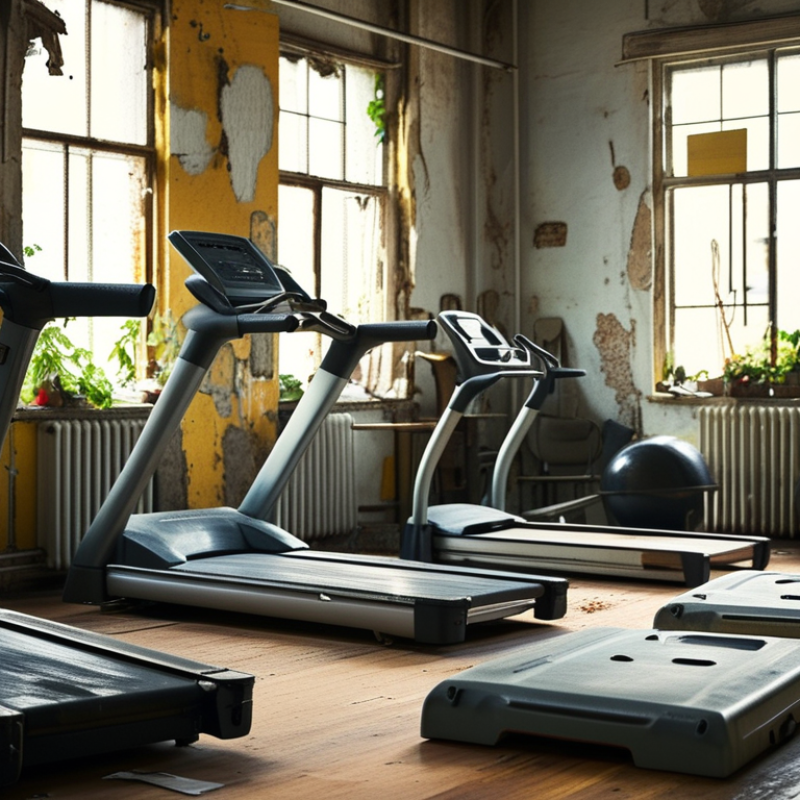
When it’s time to part ways with old exercise equipment, understanding local disposal regulations is crucial. Many areas have specific rules governing the disposal of bulky items. Checking with your local waste management authority can provide the necessary guidelines. Some jurisdictions may require appointments for pick-up or may have designated drop-off locations. This ensures that your equipment is handled properly and does not contribute to environmental harm.
Disposal methods can vary significantly based on region. In some cases, recycling may be an option for metal and plastic parts. It’s important to ask about any programs specifically for fitness equipment. Some communities offer special collection days for larger items, which can help streamline the process. Reflecting on your own practices, it might be easy to toss things away without thinking. Learning about local protocols can encourage more responsible disposal.
Taking the time to research these regulations adds value to your community. You may find that various organizations accept donations of gently used equipment. Exploring these options can lead to a more sustainable approach. It's a chance to rethink how we handle our old gear and possibly help someone else on their fitness journey.
| Disposal Method | Description | Local Regulations | Contact Information |
|---|---|---|---|
| Donation | Giving exercise equipment to a local gym, community center, or charity. | Check local charities for acceptance guidelines. | Local Charity: [email protected] |
| Recycling | Contacting recycling centers to process metal and plastic components. | Verify with local recycling laws and guidelines. | Recycling Center: 555-0123 |
| Bulk Trash Pickup | Scheduling a pickup for large items with local waste management. | Requires scheduling in advance, check local municipality rules. | Waste Management: 555-8765 |
| Sell Online | Listing items on online marketplaces for resale. | No specific regulations, but adhere to local online selling guidelines. | eCommerce Help: [email protected] |
| Trade-In Programs | Exchanging old equipment with retailers for discounts on new purchases. | Check specific retailer policies. | Retailer Support: 555-4321 |
: Local regulations ensure proper disposal of bulky items, preventing environmental harm and promoting community responsibility.
Consult your local waste management authority for guidelines on pick-up appointments or drop-off locations.
Yes, many metal and plastic parts can be recycled, but research local facilities that accept these items.
You can recycle, donate to local charities, or sell online, promoting reuse and reducing waste.
Many organizations accept gently used items. Explore options within your community to find a suitable place.
Inexperience can lead to wrong pricing. Researching similar listings helps set competitive prices and avoid losses.
High-quality images and clear descriptions attract more buyers. Being flexible on price can also help negotiate sales.
Selling reduces waste and gives equipment a second life, contributing to sustainable practices in fitness.
Recycling availability differs by region. Some facilities specialize in dismantling old equipment for parts, minimizing landfill waste.
Your decision affects the environment. Reflect on the methods and choose responsible disposal practices to create positive change.
When considering "How to properly dispose of old or broken exercise equipment?", it is essential to start by researching local disposal regulations specific to fitness gear. Each area may have particular guidelines to follow, so understanding these regulations can help ensure compliance and safe disposal.
Next, explore options for donating or recycling used equipment; many organizations accept functional items, giving them a second life. If the equipment is no longer usable, safely dismantling it before disposal can aid in recycling efforts and minimize environmental impact. Additionally, using environmentally friendly disposal methods is crucial in reducing waste. Lastly, consider selling or trading old equipment online, as this can provide a practical solution while also allowing others to benefit from your items.

 ProGear Sport