How to Pack Heavy Gym Equipment for Long Distance Moving?

Time:2026-06-24 Author:Sienna
0%

Moving your heavy gym equipment across long distances can be challenging. It's crucial to get it right. "How to pack heavy gym equipment for a long-distance move?" is a question many face. Renowned moving expert, Sarah Mitchell, emphasizes, "The key is to be strategic and careful in your packing."

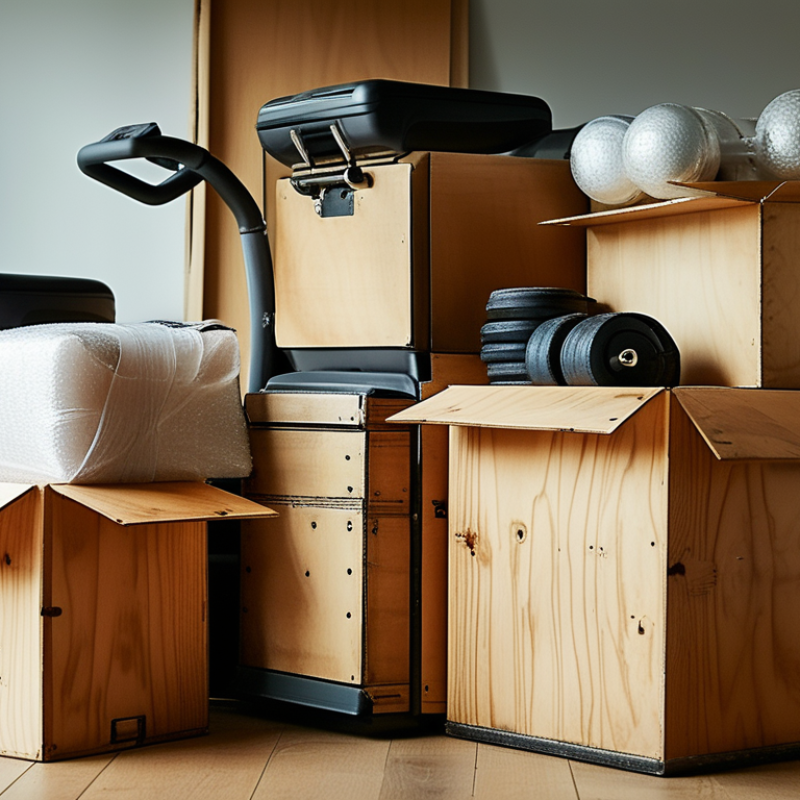
Packing heavy gym equipment requires specific techniques. Start by disassembling larger items, such as treadmills or weight machines. This reduces bulk. Use sturdy boxes for smaller components and bubble wrap for delicate parts. Ensure each item is well-protected to prevent damage.

Be mindful of your own strength too. Lifting heavy equipment can lead to injuries. Consider asking for help or hiring professionals. After all, a smooth move makes your workout routine easier to maintain. Remember, even when challenged, planning and organization shine through.
How to Pack Heavy Gym Equipment for Long Distance Moving?

Understand the Weight and Dimensions of Your Gym Equipment

Packing heavy gym equipment for a long-distance move requires some careful planning. Understanding the weight and dimensions of your equipment is crucial. Begin by measuring each piece of equipment. Use a tape measure to note length, width, and height. Don’t forget to weigh heavier items. This will help you decide how to transport them.

Tips: Label your equipment clearly. Use color-coded stickers for quick identification. This can save time when unpacking.

When you prepare equipment for transport, think about accessibility. Some pieces may need to be disassembled. For example, weight benches can often have removable legs. Keep all smaller parts organized in a labeled bag. It’s easy to misplace nuts and bolts during a move.

Be mindful of how you load your equipment. Utilize padding to protect items from damage. Blankets or bubble wrap are great for cushioning. Also, remember that weight distribution is essential in a moving truck. Place heavier items on the bottom for stability. This minimizes the risk of shifting during the journey.

Tips: Double-check your weight limits. Overloading can lead to serious issues during transport. Don’t hesitate to ask for help with heavy lifting. It’s okay to seek assistance for safer packing.

Gather Necessary Packing Supplies for Safe Transport

Packing heavy gym equipment requires careful planning. The right supplies make a difference. Start with sturdy boxes and packing tape. Use bubble wrap or moving blankets to protect delicate parts. Get cushioning materials like packing peanuts for added safety. Heavy items should not shift during transport.

Gather moving straps and a dolly for easier handling. Straps secure equipment in place, while a dolly helps navigate stairs and narrow hallways. Sometimes, you may stumble while loading or unloading. It’s important to have a plan for those moments. Make sure to reinforce boxes as well. Heavy items can lead to box failure if not packed correctly.

Don’t forget to label each box clearly. Write down the contents and the room they belong to. An organized approach can save time and frustration when unpacking. Be aware that not all packing goes as planned. Adjust your strategy if something seems off. Packing is a learning experience, and you may find room for improvement.

Disassemble Equipment When Possible for Easier Packing

When preparing for a long-distance move, disassembling gym equipment is crucial. This step not only simplifies the packing process but reduces the risk of damage. According to industry reports, properly disassembled equipment has a 30% lower chance of experiencing wear and tear during transit.

Before starting, gather necessary tools. A socket set and screwdrivers are typically required. Remove weights and any detachable parts first to lighten the load. Store small components in labeled bags. This strategy avoids confusion when reassembling at the new location. Keep in mind that even experienced movers can overlook essential parts, leading to delays.

***Tips:*** Ensure to document the disassembly process with pictures. This makes reassembly smoother. Consider wrapping each piece in protective padding, such as bubble wrap, to prevent scratches. Use sturdy boxes to pack smaller items securely. When moving heavy equipment, assess your transportation options carefully. Some moving companies specialize in heavy items and can offer valuable assistance.

How to Pack Heavy Gym Equipment for Long Distance Moving

Equipment Type Disassemble Packing Method Weight (lbs) Estimated Time to Pack (hrs)
Treadmill Yes Remove the console and fold 250 2
Elliptical Machine Yes Remove pedals and arms 200 1.5
Weight Bench Yes Remove legs and backrest 120 1
Free Weights No Use a sturdy box 150 0.5
Stationary Bike Yes Remove seat and handlebars 160 1

Use Proper Techniques for Lifting and Moving Heavy Items

Lifting and moving heavy gym equipment requires techniques that ensure safety and reduce risk. Begin by assessing the weight and size of each item. Heavy dumbbells and benches can strain your back or cause injury. Use your legs, not your back, when lifting. Bend your knees and keep your back straight. This simple adjustment can make a significant difference.

When preparing for the move, consider using lifting straps or an ergonomic dolly. These tools help distribute weight more evenly. They also minimize the effort required to maneuver bulky items. Pack smaller equipment in boxes for secure transport. Secure everything tightly to prevent movement during transit. Loose items can shift and cause accidents.

It’s also important to communicate with your moving team. Clear instructions and coordination ensure a smooth process. Sometimes, it's tempting to rush, but that can lead to mistakes. Be mindful of your limits and take breaks when needed. Reflecting on your approach can make future moves safer. Every move is a learning opportunity.

Secure and Label Boxes for Organization During the Move

When moving heavy gym equipment, organization is key. Start by gathering sturdy boxes and packing materials. Label each box clearly. Use markers to write down the contents and which piece of equipment they belong to. This will help you locate items easily at your new location. A mix of box sizes can store different components effectively.

As you pack, separate smaller pieces like weights and cables. Place heavier items at the bottom of the boxes. Ensure that each box is secure. You don’t want items shifting during transit. Use packing tape generously. Check if other boxes can hold more weight or require extra padding. This attention to detail can save you stress later.

Labeling is not just for convenience; it’s a necessity. If you skip this step, chaos can ensue. Imagine the confusion when searching for a squat rack amidst poorly labeled boxes. Additionally, consider color coding for quick identification. This simple system can help you stay organized throughout the move. Remember, the effort you put into labeling will pay off when you start unpacking.

Heavy Gym Equipment Packing Data

This chart displays the approximate weights of various heavy gym equipment commonly packed for long-distance moving. Properly securing and labeling each box according to the weight can ensure a more organized and safer move.

FAQS

: Why is disassembling gym equipment important before moving?

: Disassembling gym equipment simplifies packing and reduces the risk of damage during transit.

What tools are needed for disassembling gym equipment?

A socket set and screwdrivers are typically necessary for disassembly.

How can I keep small parts organized during the move?

Store small components in labeled bags to avoid confusion when reassembling.

What should I do to protect equipment during transport?

Wrap pieces in protective padding, like bubble wrap, to prevent scratches.

Why is labeling boxes a critical step in the moving process?

Labeling boxes helps easily locate items at the new location and prevents chaos.

How should I pack heavier items in boxes?

Place heavier items at the bottom of boxes to ensure stability and prevent shifting.

What happens if I don’t label my boxes?

Skipping labeling can lead to confusion and extra stress when searching for specific items.

Is it helpful to document the disassembly process?

Yes, taking pictures during disassembly makes reassembly much smoother later.

What additional considerations should I make when moving heavy items?

Carefully assess transportation options, as some services specialize in heavy equipment moves.

Conclusion

When considering how to pack heavy gym equipment for a long-distance move, understanding the weight and dimensions of your gear is crucial. Begin by gathering all necessary packing supplies to ensure safe transport. Disassembling your equipment, when possible, will facilitate easier packing and maneuvering. Employ proper techniques for lifting and moving heavy items to prevent injury and damage. Finally, secure and label all boxes clearly to maintain organization throughout the moving process. By following these steps, you can streamline your move and protect your valuable gym equipment efficiently.

Sienna

Sienna

Sienna is a skilled marketing professional with a deep expertise in our company’s core products and services. With a passion for innovation and detail, she plays a pivotal role in crafting insightful blog posts that not only highlight the unique features of our offerings but also provide valuable......