When considering the safety of using old weight plates, a common question arises: "Is it safe to use old weight plates with rust?" Many weightlifters encounter rust on their equipment, often wondering about its potential risks. Rust can develop due to exposure to moisture and lack of maintenance. This leads to concerns about contamination and structural integrity.
While some people may feel that a little rust is harmless, experts suggest caution. Rusty plates can harbor harmful bacteria or toxins. Furthermore, weakened plates may break under heavy loads, presenting a risk during workouts. Evaluating these factors is essential for fitness enthusiasts.
In weighing the pros and cons of rusty weight plates, consider your own health and safety. The potential risks may not be worth the savings of using old, rusted equipment. A thorough inspection is vital before using any plates. Prioritizing safety ensures a better experience in your fitness journey.
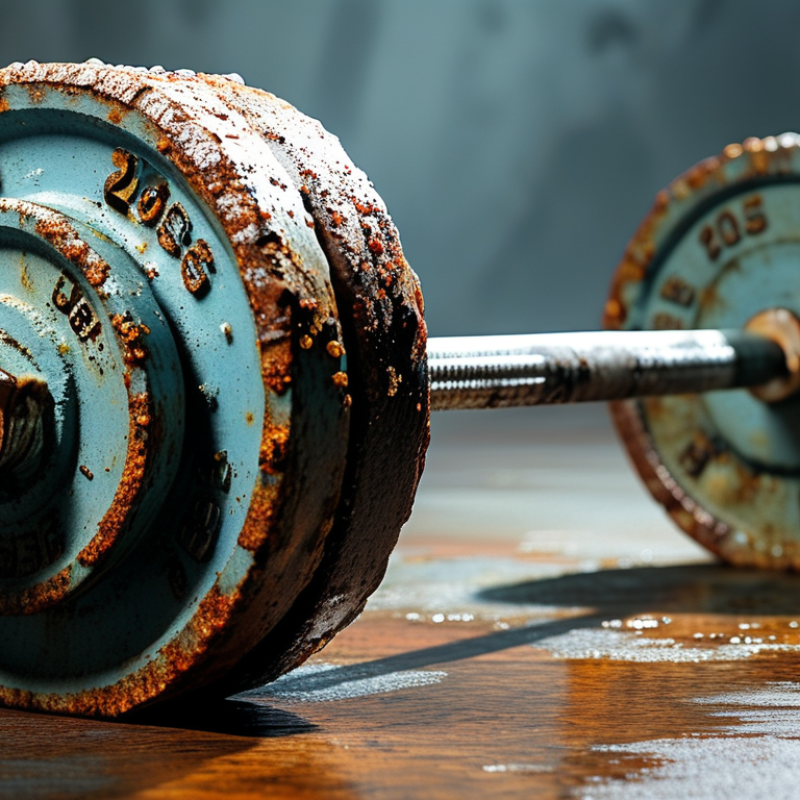
Rusty weight plates can pose several safety concerns. When iron becomes rusty, it can flake and shed particles. These small rust particles may be harmful if inhaled or come into contact with skin. Furthermore, rust can weaken the structural integrity of the weight plates. This degradation can lead to unexpected breaks, posing a risk during workouts.
Using rusty equipment may also affect grip and stability. The rough surface can cause discomfort or injury during lifting. Working out with compromised gear is not advisable. Regular inspection of weight plates is essential. A visual check can help identify rust and other damages. If plates show extensive rust, it might be time for an upgrade.
While some seasoned lifters may argue that they’ve used rusty plates without issues, this does not apply universally. Each individual’s experience may differ. A thorough understanding of the risks involved is key. Ultimately, safety should always come first in any training regimen.
| Concern | Description | Recommendation |
|---|---|---|
| Rust | Rust can weaken the integrity of weight plates and potentially lead to injury. | Inspect plates for significant rust; consider replacing heavily rusted plates. |
| Grip | Rust can make weights slippery, affecting grip during workouts. | Clean plates thoroughly and use gloves for better grip. |
| Hygiene | Rusty plates may harbor bacteria and dirt. | Always sanitize equipment before use. |
| Maintenance | Neglected rust can lead to further corrosion and damage. | Regularly inspect and maintain weights to prevent rust. |
: Using rusty weight plates can be unsafe. Rust may flake off, posing inhalation risks.
Rust can weaken the plates and cause unexpected breaks. This may lead to injuries during workouts.
Rusty plates may impact grip and stability. A rough surface can cause discomfort or potential injuries.
If you notice extensive rust, consider replacing the plates. Regular inspection is essential for safety.
Store plates in a dry environment to reduce rust risks. Use desiccants to absorb humidity.
Yes, cleaning your plates after use removes sweat and grime. This practice helps to prevent rust.
Apply a thin layer of oil on plates. This creates a barrier against moisture and protects against rust.
Some experienced lifters may use rusty plates without issues, but risks can vary for each individual.
High humidity and moisture in storage areas can lead to rust. Keeping equipment dry is crucial.
Regular inspections are important. Check your plates frequently to catch rust or damage before it worsens.
The article titled "2026 Best Guide Is It Safe to Use Rusty Weight Plates?" addresses the critical question: "Is it safe to use old weight plates with rust?" It provides an overview of the safety concerns associated with rusty weight plates, highlighting the health risks that rust and corrosion can pose to users. The article emphasizes that while rust may not immediately impair performance, it can compromise the integrity of the equipment over time.
Moreover, the discussion includes proper maintenance techniques to protect weight plates from rust, ensuring longevity and safety for users. The article also refers to industry standards and recommendations, guiding gym-goers on how to use equipment safely while mitigating any health risks associated with rust. By understanding these aspects, readers can make informed decisions about their gym equipment and maintain a safe workout environment.

 ProGear Sport