When considering safety, a bicycle helmet is vital. Yet, many riders overlook one crucial aspect: expiration. How to tell if a bicycle helmet is expired? This question is often dismissed. However, it is essential for ensuring maximum protection during rides.
According to Dr. Sarah Thompson, a leading expert in cycling safety, "A bicycle helmet's lifespan is limited. Regular checks can save lives." This highlights the urgency of understanding expiration. Helmets can degrade due to factors like UV exposure or crashes, even if they appear undamaged.
Look for manufacturing dates or expiration labels inside the helmet. Most helmets last about three to five years, but this can vary. A rider might find their helmet effective one minute and risky the next. Understanding your helmet’s status can mean the difference between safety and injury. When you ask yourself, "How to tell if a bicycle helmet is expired?" remember to take action. It’s your responsibility to ensure your protection.
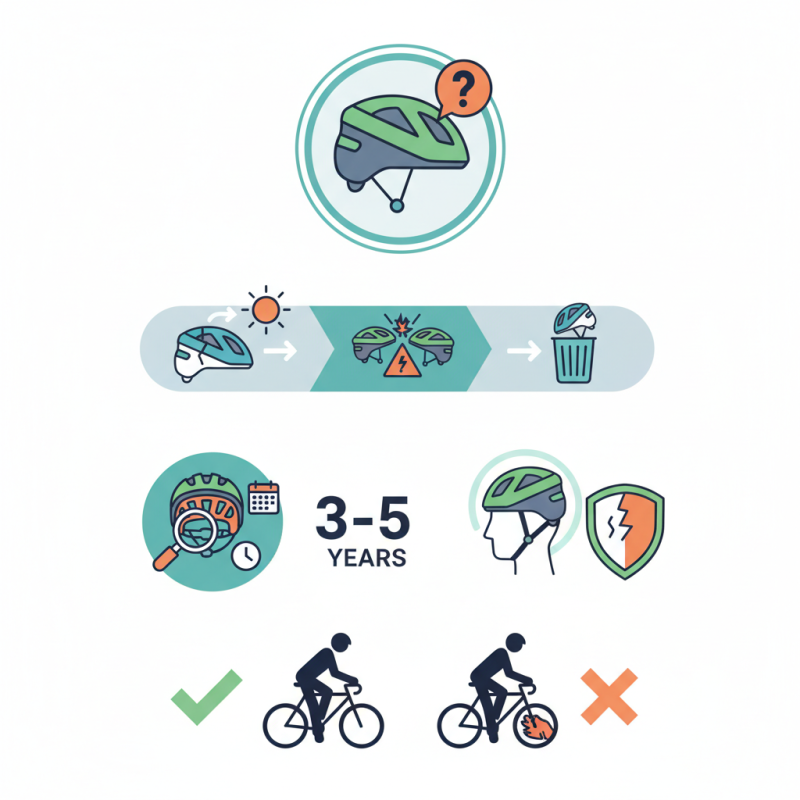
Understanding the Lifespan of Bicycle Helmets
Bicycle helmets play a vital role in safety, but they have a limited lifespan. Understanding how long your helmet lasts can help ensure your protection during rides. Most helmets have a lifespan of about three to five years, depending on usage and care. Over time, materials degrade, especially after exposure to UV rays and temperature changes. Check your helmet's inner cushioning and outer shell for any signs of wear or damage.
Tips: Always replace your helmet if you’ve had a crash, even if it looks fine. Signs of cracks or dents mean it's time to get a new one. Regularly clean your helmet to maintain its condition. Use mild soap and water, avoiding harsh chemicals that could weaken the materials.
When purchasing a new helmet, look for proper certifications to ensure safety standards are met. Some helmets may appear fine but could lack the necessary protection. Be attentive to how your helmet fits. It should sit snugly without being uncomfortable. Reflecting on these details could make a crucial difference in your safety. Don't overlook the importance of an expired helmet; it's not just about looks.
Signs of Wear and Tear on Your Bicycle Helmet
A bicycle helmet is crucial for safety during rides, but it can wear out over time. One major sign to watch for is visible cracks or dents on the outer shell. These imperfections indicate that the helmet's structure may have been compromised. If you notice any damage, consider replacing it immediately to ensure proper protection.
Another indicator of helmet deterioration is the foam lining's condition. Over time, the foam can compress or degrade due to sunlight exposure, temperature changes, or wear from usage. If the foam feels brittle or soft instead of firm to the touch, it likely lacks the ability to absorb impacts effectively. Don't overlook the straps and buckles either; frayed straps can hinder the helmet's fit and function.
An expired helmet may also exhibit a faded or peeling exterior finish. This deterioration signals age or exposure to harsh conditions. Additionally, a helmet that has been in a crash should be replaced regardless of its apparent condition. Reflect on these details to maintain safety while cycling, as a reliable helmet is a key component of your overall biking experience.
Manufacturer Guidelines for Helmet Expiration
Helmet expiration is a critical aspect of bicycle safety. Many manufacturers recommend replacing helmets every three to five years, regardless of visible wear. This guideline often stems from the fact that materials in helmets can degrade over time due to age, exposure to sunlight, and environmental factors.
Research from the Bicycle Helmet Safety Institute indicates that foam liners can lose their ability to absorb impact over time. After several years, even if the helmet looks fine, it may not perform adequately during an accident. A 2020 report stated that 85% of helmets beyond their expiration date failed to provide the necessary protection in crash tests. This underlines the importance of adhering to manufacturer recommendations for expiration.
Inspecting your helmet regularly is essential. Even minor cracks or dents can be a sign of loss of effectiveness. The general advice is to replace it if you notice any physical damage or if it has reached the manufacturer’s expiration date. Reflect on your helmet’s history and usage regularly. Each ride could potentially expose it to wear that isn’t immediately visible. Keeping track of your helmet's age and condition will help you ensure your safety on the road.
Importance of Helmet Certification Labels
Choosing the right bicycle helmet is crucial for safety. A key factor in this decision is understanding the certification labels. These labels indicate that the helmet meets specific safety standards. They ensure the helmet has undergone rigorous testing. Look for labels from organizations that specialize in helmet safety.
Not all helmets are created equal. Some may appear safe but lack proper certification. It’s easy to overlook this detail. A helmet without a certification label may offer little protection in an accident. Always check for these labels before purchasing a helmet. A certified helmet can significantly reduce injury risk in a crash.
Regular checks are necessary for helmet longevity. Over time, helmets can degrade. Even certified helmets have a shelf life. A helmet that has seen significant wear may no longer provide adequate protection. Reflect on your helmet’s condition and age. If uncertain, it’s wise to consult safety resources or professionals. Staying informed is your best defense against potential injuries.
Steps to Safely Dispose of Expired Bicycle Helmets
When it comes to cycling safety, knowing when your bicycle helmet has expired is crucial. Most helmets have a lifespan of three to five years, depending on usage and storage conditions. A study by the Consumer Product Safety Commission indicates that helmets lose protective ability over time due to wear and tear. If your helmet shows significant signs of wear, it’s time to safely dispose of it.
To dispose of an expired helmet, consider local recycling programs. Many recycling centers accept helmets and can break them down for reuse in various products. If recycling is unavailable, cut the straps and crush the helmet to prevent someone from using it unknowingly. This action reduces the risk of injury from an ineffective helmet. Ensure to educate fellow cyclists about the importance of helmet expiration. A helmet that looks fine may no longer offer adequate protection.
Remember that proper helmet disposal is as significant as its use. If you wait too long to replace your helmet, it might lead to tragic consequences. Research suggests that nearly 70% of cyclists do not replace their helmets on a regular basis. Reflecting on the lifecycle of your cycling gear is a vital step in promoting safety and ensuring you’re protected on every ride.
How to Tell If Your Bicycle Helmet Has Expired? - Steps to Safely Dispose of Expired Bicycle Helmets
| Indicator |
Description |
Action |
| Visible Damage |
Cracks, dents, or any deformities on the helmet shell |
Replace immediately |
| Age |
More than 3-5 years since the date of purchase |
Consider replacement |
| Model Recall |
Check if the helmet model has been recalled by the manufacturer |
Dispose of and replace with a certified model |
| Foam Integrity |
Deteriorated or crumbly foam inside the helmet |
Replace immediately |
| Missing Labels |
Safety certification labels are faded or missing |
Replace the helmet |
Conclusion
Bicycle helmets play a crucial role in ensuring rider safety, but they do have a limited lifespan. Understanding how to tell if a bicycle helmet is expired involves recognizing key signs of wear and tear, such as cracks, extensive scratches, or faded foam. Additionally, it’s important to consult the manufacturer guidelines, which typically recommend replacing helmets every 3 to 5 years, regardless of their appearance, due to degradation over time.
Helmet certification labels provide valuable information about safety standards and expiration. When a helmet reaches its end of life, proper disposal is essential to prevent any misuse. By being informed about how to tell if a bicycle helmet is expired, cyclists can make informed decisions and prioritize their safety on the road.

 ProGear Sport