Hiking often brings joy and adventure. However, many hikers face a common issue: blisters from new hiking boots. "Why do I get blisters from new hiking boots?" This question looms large for many outdoor enthusiasts. The answer often lies in factors like improper fit, inadequate break-in time, or the material of the boot.
A well-fitted boot should hug the foot without being too tight. Yet, even the best-fitting boots can cause friction if they are new. New boots lack the nuances that come with wear. They may dig into soft skin or create hotspots, resulting in painful blisters. Each hike becomes a lesson in comfort and endurance. How can one prevent this nagging problem?
Understanding your boots is an essential step. Different materials behave differently. Some might mold to your foot faster than others. However, this process takes time and attention. You might find that ideal fit often requires patience and practice. The journey to blister-free hiking is about knowing your equipment and body. Embracing these challenges can enhance your experience on the trail.
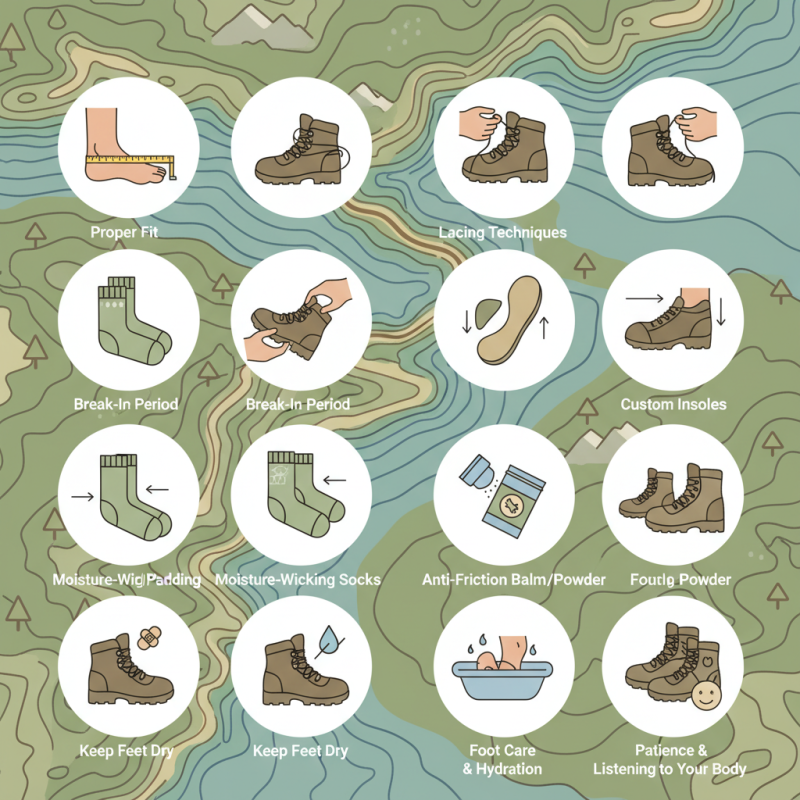
Choosing the right hiking boots is crucial for comfort and performance. Many hikers face blisters when their footwear doesn't fit properly. A recent study reveals that about 60% of hikers experience foot problems due to ill-fitting boots. Selecting boots that match your foot shape can significantly reduce this risk.
Consider the width and arch support when trying on hiking boots. Feet expand during long hikes, so ensure there’s space in the toe box. A boot that's too tight can lead to painful blisters. Data shows that around 70% of outdoor enthusiasts buy footwear without adequate fitting. It’s advisable to try boots later in the day when your feet are more swollen.
Another factor is breathability. Well-ventilated boots help keep your feet dry, reducing the chance of blisters. Moisture can cause friction, leading to sore spots. Research from the Footwear Science journal indicates that moisture-wicking materials significantly decrease blister incidence. Remember that even with the right boots, poorly chosen socks can exacerbate foot issues, so consider that in your selection process.
Breaking in new hiking boots is crucial to avoid blisters. Many hikers rush this process, leading to painful consequences. Start by wearing your new boots around the house. This familiarizes your feet with the fit. Aim for short periods at first. You can gradually increase the duration as comfort improves.
Try walking on different surfaces. Smooth floors at home can feel very different from rocky trails. Pay attention to any areas where the boots pinch or rub. Use that feedback to adjust how you lace them. Consider wearing thicker socks during initial wear. They can provide extra cushioning and help mold the boot to your foot.
Listen to your body. If you experience discomfort, take breaks. You might notice hot spots developing. This can be a sign of trouble. Addressing these issues early can prevent larger problems later. Gradual break-in can take time, but it's worth it for blister-free hikes.
Choosing the right socks is crucial when breaking in new hiking boots. Proper socks can significantly reduce the friction that leads to blisters. Look for socks made of moisture-wicking materials. Cotton retains moisture, which can increase discomfort. Instead, opt for synthetic or merino wool blends. These fabrics help keep your feet dry during long hikes.
Choosing the right thickness is also important. Thicker socks offer more cushioning but may feel tight in your boots. Conversely, thinner socks may not provide enough padding. It’s essential to find a balance that works for you. Consider trying multiple pairs to see which fit best with your new boots. Also, ensure that your socks have few seams; they can create pressure points that lead to blisters.
Keep an eye on your feet during hikes. Pay attention to any hot spots or areas of discomfort. This self-check helps you take action before blisters form. A blister can develop quickly, so be proactive. If you feel discomfort, it might be time to take a break and assess your sock choice. Always listen to your feet; they will guide you in finding the perfect sock for your hiking adventures.
Blister prevention is critical for hikers. Applying blister prevention products before hitting the trails can significantly reduce the risk of painful blisters. According to a report by the American Podiatric Medical Association, nearly 70% of hikers experience foot issues due to improper footwear and lack of protection. Using the right products can mitigate these problems.
Start with a high-quality blister prevention product. These can come as gels, creams, or adhesive pads. They create a barrier between your skin and the boot material. Research shows that using these products can lower blister incidents by up to 60%. Apply them on common friction points, like the heels and sides of your feet. This simple step can make a significant difference.
Evaluate your hiking boots regularly. Sometimes, new boots require a break-in period, but proper product application can ease this process. Inadequate attention to foot care may lead to scars or persistent pain. Using blister prevention products thoughtfully can enhance your hiking experience. Take the time to understand your foot type and choose products accordingly.
Monitoring for hot spots during your hike is crucial in preventing blisters. Hot spots are areas where friction occurs, leading to potential skin damage. Pay attention to any discomfort early on. It’s better to act than ignore these signals.
Before you hit the trail, prepare your feet. Choose moisture-wicking socks to reduce friction. Check your laces and how they fit. Are they too tight? A snug fit is essential, but it shouldn't cut off circulation. Adjust your boots regularly during your hike. A moment of attention can save you from painful blisters later.
During breaks, inspect your feet. Look for red spots or areas that feel warm. If you notice a hot spot, apply moleskin or adhesive bandages immediately. Don’t wait until it’s a blister. If you’re hiking with others, communicate how your feet feel. They might have valuable insights from their own experiences. Remember, while hiking is about the journey, it’s essential to listen to your body. Sometimes the best lesson is learning to slow down and care for your feet.
| Tip Number | Tip | Description | Monitoring Method |
|---|---|---|---|
| 1 | Choose the Right Size | Ensure boots fit well with enough room for toes. | Check for tightness and movement during walks. |
| 2 | Wear Correct Socks | Use moisture-wicking and cushioned socks. | Test sock material and fit with boots. |
| 3 | Break Them In | Gradually increase the wear time of new boots. | Monitor for discomfort or pain during initial hikes. |
| 4 | Use Blister Prevention Products | Apply blister pads or anti-friction creams. | Check effectiveness after multiple uses. |
| 5 | Adjust Laces Properly | Ensure laces hold the foot securely without constriction. | Reassess tightness during breaks. |
| 6 | Keep Feet Dry | Change socks when they become damp. | Check foot comfort level regularly. |
| 7 | Take Breaks | Rest periodically to relieve foot pressure. | Observe foot condition during breaks. |
| 8 | Monitor for Hot Spots | Identify areas of increased friction or discomfort. | Check regularly and take action if necessary. |
| 9 | Choose Appropriate Terrain | Avoid rough terrain until boots are fully broken in. | Assess trail conditions beforehand. |
| 10 | Consult with Experts | Seek advice on fitting and care from professionals. | Engage with knowledgeable staff before purchase. |
: The right hiking boots provide comfort and enhance performance. Ill-fitting boots often lead to blisters.
Focus on width and arch support. Ensure your toes have space, especially after long hikes.
Try boots later in the day. Your feet will be slightly swollen, helping ensure a better fit.
Breathable boots keep feet dry and reduce blister chances. Moisture causes friction and discomfort.
Gradually wear them, starting at home. Increase wearing time as comfort improves and listen to your body.
Pay attention to areas that pinch. Adjust lacing or use thicker socks for added cushioning.
These products create a barrier between your skin and boot material, reducing friction and the risk of blisters.
Focus on common friction points like the heels and sides of your feet.
Yes, neglecting foot care can lead to scars or persistent pain. Regular evaluation is essential.
Knowing your foot type helps you choose the best footwear and prevention products for a comfortable hike.
Blisters from new hiking boots are a common issue that many hikers face, often due to improper fit or insufficient preparation. To prevent these painful nuisances, it's crucial to choose the right hiking boots tailored to your foot shape and size. Gradually breaking in new boots allows your feet to adjust, which helps to mitigate potential friction points.
Additionally, using proper socks can significantly reduce friction and moisture buildup, while applying blister prevention products before hitting the trails can provide an extra layer of protection. During your hike, keep an eye out for any hot spots, as early detection can prevent more severe blistering. By following these essential tips, you'll be well-equipped to enjoy your hiking experience without the discomfort of blisters.

ProGear Sport