Setting up a workout space can feel challenging without the right equipment. Many people struggle to find suitable locations for exercises like pull-ups. This is especially true if you lack a door frame. However, there's a solution. The question, "How to set up a portable pull-up bar without a door frame?" has a few straightforward answers.
Imagine training outdoors or in a garage. A portable pull-up bar can provide unique advantages. You don’t need a complicated setup. The bar should be stable yet flexible. Look for sturdy options that can handle your weight. Always check the assembly instructions carefully. This can prevent accidents during workouts.
It's essential to realize that not all setups are perfect. You might face challenges like finding the right location or ensuring the bar doesn't wobble. Reflecting on your experiences helps improve your technique. The goal is not just to perform pull-ups, but to build confidence and resilience in your fitness journey. As you experiment, you’ll discover what works best for you.
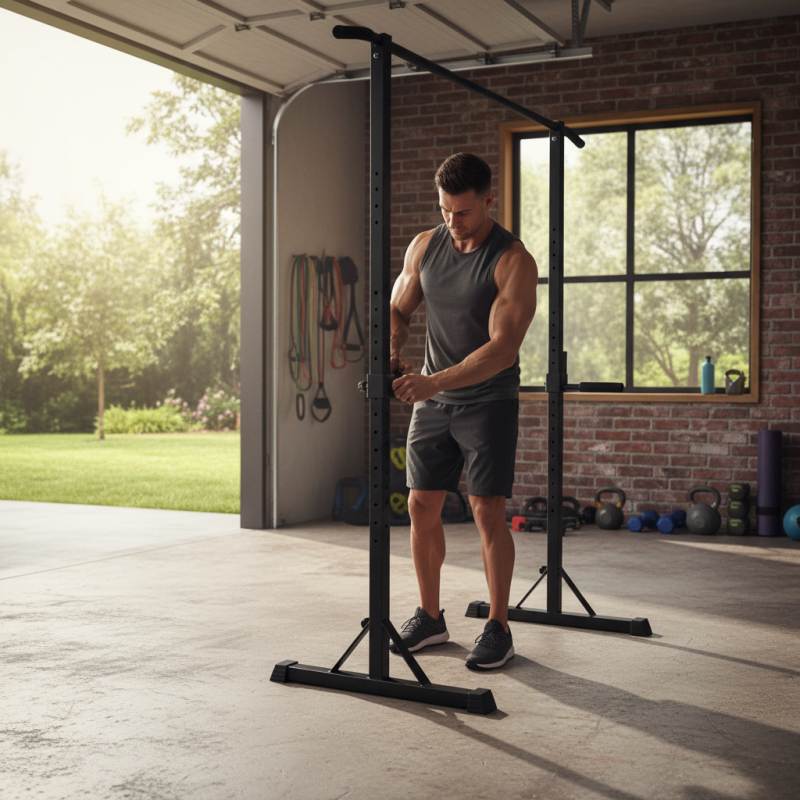
Choosing the right location for your portable pull-up bar can greatly impact your workout effectiveness. According to a study by the American Council on Exercise, optimal exercise environments improve motivation and performance. Look for a space that is both spacious and flat. A stable surface ensures safety during your training sessions.
Consider areas with good overhead clearance. This allows full range of motion without obstruction. If your bar is set up outdoors, avoid windy spots. Wind can disrupt your focus and balance. Data from fitness professionals suggests that environmental comfort, including temperature and lighting, influences workout quality. Find a location that promotes consistent use.
Lighting is crucial for indoor setups. A well-lit area enhances visibility, minimizing the risk of injury. However, avoid harsh lighting that can be overwhelming. Test out different locations and see where you feel most energized. Reflect on your preferences; sometimes, less-than-ideal spots may actually motivate you more. With practice, you'll discover what truly works for your routines.
When selecting a portable pull-up bar, consider the type of workout you desire.
Adjustable models offer versatility. Look for bars with multiple grip positions.
This variety will help target different muscle groups effectively.
Many pull-up bars are easy to set up. However, make sure it is stable.
We don’t want an unstable bar while exercising. Test its sturdiness before starting your workout.
An unexpected fall can be dangerous.
Pay attention to materials as well. Durable construction is essential for safety.
Lightweight options are great for portability but ensure they are strong enough.
Reading user reviews can provide insights into reliability.
It’s important to choose wisely to avoid common mistakes.
Before setting up a portable pull-up bar, it’s crucial to gather the right equipment. A stable surface is essential. Look for an even area, like a grassy field or a flat outdoor patio. Having a rubber mat can enhance safety and prevent slipping. Lightweight yet sturdy equipment helps maintain stability during workouts.
After ensuring a suitable location, check the bar itself. Inspect it for any signs of wear or instability. If there are any issues, it's best to reconsider your setup. Safety is a priority. You might also consider using weights for added stability. Placing them on the ground can counteract unwanted movement, especially during intense workouts.
Lastly, be aware of your surroundings. Check for obstacles like low branches or uneven terrain. This step can save you from potential injuries. Your experience with portable bars can be improved through thoughtful setup. Take your time and reflect on each aspect before jumping in. It’s better to be safe than sorry.
Setting up a portable pull-up bar can be straightforward. First, gather the necessary tools. You’ll need the bar itself, securing straps, and a sturdy support like a tree or a post. Make sure the area is clear of obstacles. This is crucial for your safety during workouts.
Next, position the bar horizontally between the two supports. Ensure it is level and stable. Use the straps to secure the bar tightly. This step is essential. If the bar slips, it could lead to injury. Test the setup by gently pulling on the bar. If it feels loose, readjust the straps. Your safety comes first.
It's important to check the bar regularly. Weather conditions can affect its stability. If you're training outdoors, look for rust or wear. Adjustments may be necessary over time. Remember, a solid setup allows for a more effective workout. Each rep should feel secure. If not, reassess your setup.
Using a portable pull-up bar can be a game-changer for your fitness routine. However, safety should always come first. Ensure that the bar is stable before every use. Check for any signs of wear or damage regularly. A solid setup is crucial; make use of a flat, even surface. If the bar shifts during exercise, you risk injury.
Position your body correctly to maintain balance. Engage your core muscles; they help stabilize you. Start with a lower number of reps. Gradually increase as your strength and confidence grow. Avoid overly ambitious goals right away. Listen to your body; it knows best.
Always secure the bar when not in use. This practice prevents accidents, especially if children or pets are around. Remember that safety gear like mats can provide extra support. Reflect on your progress often and adjust your training plan as needed. It's okay to seek advice from experienced users to enhance your practice.
| Feature | Description | Safety Tips |
|---|---|---|
| Material | High-grade steel, durable enough to support heavy weights. | Ensure all components are intact before use. |
| Weight Capacity | Supports up to 300 lbs. | Do not exceed weight limit for safety. |
| Setup | Easy to assemble within 10 minutes using adjustable height settings. | Ensure bar is stable and secure on a level surface. |
| Portability | Compact design allows for easy transport in a carrying case. | Store in a dry location to avoid rust. |
| Versatility | Suitable for various exercises: pull-ups, chin-ups, dips. | Use as per instructions to maximize workout effectiveness. |
: Consider the workout type you want. Look for adjustable models with multiple grip positions to target various muscles.
Ensure that the bar is stable and inspect it for wear or damage. Stability is essential for safety during workouts.
Find an even surface, like a flat outdoor patio. Using a rubber mat can enhance safety and reduce slipping.
Yes, placing weights on the ground can counteract movement, especially during intense workouts. It adds extra stability.
Always check the bar's stability before use. Position your body correctly and engage core muscles to maintain balance.
Begin with a lower number of reps to avoid injury. Gradually increase as your strength and confidence build.
Yes, always secure the bar to prevent accidents, especially if children or pets are nearby.
Reflect on your setup and progress regularly. Don’t hesitate to seek advice from experienced users for improvements.
In the article titled "How to Easily Set Up a Portable Pull Up Bar Without a Door Frame?", readers are provided with a comprehensive guide on effectively installing a portable pull-up bar. The first step involves choosing the right location that ensures stability and safety during use. Next, selecting the appropriate model of the pull-up bar tailored to your fitness needs is essential. Preparation of equipment is also crucial to streamline the setup process.
The article then outlines a detailed step-by-step guide to setting up the pull-up bar, ensuring it is securely positioned for safe workouts. Finally, safety tips are discussed to maximize the effectiveness of using the portable pull-up bar. This complete overview answers the question, "How to set up a portable pull-up bar without a door frame?" while emphasizing the importance of careful planning and safety measures during the installation process.

ProGear Sport