Does Cold Weather Influence Air Pressure in Sports Balls?

Time:2026-06-22 Author:Ethan
0%

In the world of sports, weather can have a significant impact. One intriguing question arises: Does cold weather affect the air pressure in sports balls? According to Dr. James Carter, a noted sports scientist, "Cold temperatures can cause air inside the ball to contract, leading to lower pressure." This insight opens up a dialogue about performance and safety in various sports.

As temperatures drop, athletes may notice changes in how their equipment performs. The feel of a football or basketball can differ in cold weather. Many players have experienced this firsthand, yet the science behind it often remains overlooked. Understanding how these changes occur is essential for optimizing performance and ensuring safety.

Without proper knowledge, athletes might underestimate the importance of air pressure in their sports balls. A slightly deflated basketball may bounce poorly, affecting gameplay. Therefore, recognizing how temperature interacts with air pressure can lead to better preparation. This topic deserves attention to help athletes perform at their best, regardless of the weather conditions.
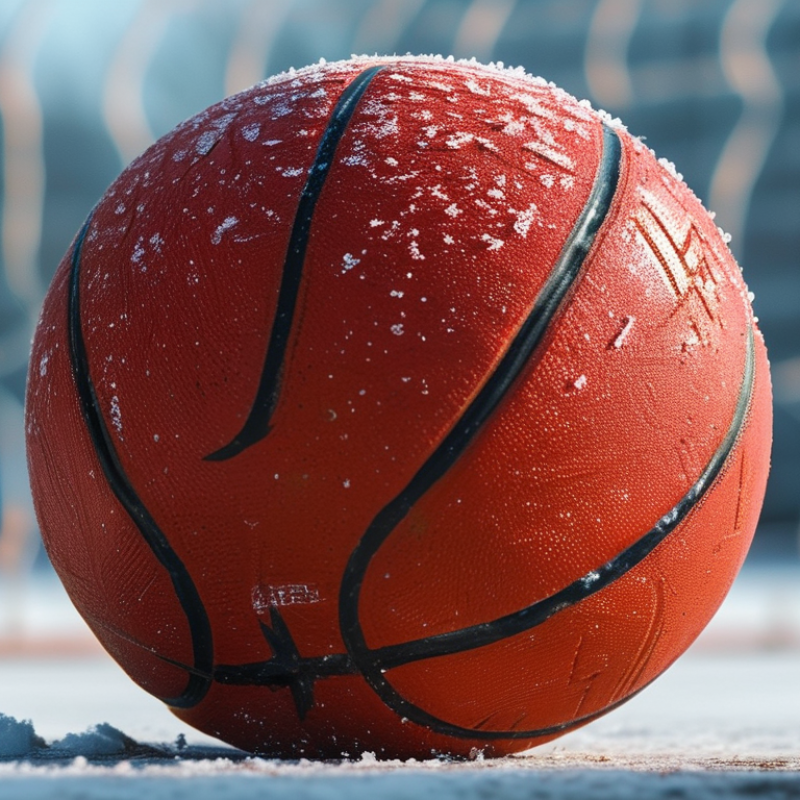
Does Cold Weather Influence Air Pressure in Sports Balls?

Impact of Temperature on Air Pressure in Sports Balls

Cold weather significantly impacts air pressure in sports balls. As temperature decreases, the air inside sports balls contracts. This leads to a reduction in pressure. According to the Ideal Gas Law, for every 10°F drop in temperature, the air pressure in a ball can decrease by approximately 1 psi (pound per square inch). This can affect the performance of balls in different sports.

For instance, a soccer ball may feel under-inflated on a chilly day. Players may notice less bounce and responsiveness. A study published in the Journal of Sports Science indicated that a drop in air pressure could alter a ball's trajectory. This finding suggests that athletes must adapt their techniques in colder weather to maintain performance.

It’s important to frequently check the air pressure of sports balls, especially in colder climates. Coaches and athletes might overlook this aspect. Consistent monitoring can help maintain optimal performance. Ensuring proper inflation is crucial, as under-inflated balls can lead to injuries. The air pressure dynamics in sports balls reveal the critical influence of temperature. Understanding this relationship can enhance training and competitive performance.

Does Cold Weather Influence Air Pressure in Sports Balls?

This chart illustrates the relationship between air temperature (°C) and air pressure (psi) in sports balls. The data simulates how decreasing temperatures can affect the internal air pressure of basketballs, soccer balls, and footballs.

Relationship Between Cold Weather and Gas Laws in Sports Equipment

Cold weather can significantly affect air pressure in sports balls. When temperatures drop, the gas inside these balls contracts. This contraction leads to a decrease in internal pressure. For athletes, this change can impact performance. A less inflated ball may not bounce as high or travel as far.

Understanding gas laws is crucial here. According to Boyle's Law, pressure decreases when volume remains constant and temperature lowers. Athletes should check their equipment regularly. Cold games in winter can result in under-inflated balls. This might lead to unexpected outcomes during critical moments in play.

Additionally, some sports balls are designed for specific conditions. Using a ball that is too deflated can result in poor handling. Players might find it challenging to control movements. It’s important to adapt to the weather. Embracing these changes can enhance athletic skills.

Effects of Altitude and Temperature on Sports Ball Performance

Cold weather significantly impacts sports ball performance, particularly through effects of temperature and altitude. Research indicates that, as temperatures drop, the internal pressure of balls decreases. A study from the American Physical Society highlights that for every 10 degrees Fahrenheit drop, ball pressure can decrease by about 1 psi. This change affects not only grip but also how the ball travels through the air.

Altitude plays a crucial role as well. Higher altitudes result in lower air pressure, which influences ball trajectory and distance. A report by the Sports Science Institute explains that balls can behave unpredictably at elevations higher than 5,000 feet. For instance, a soccer ball may reach a different speed and distance than expected at sea level. This inconsistency complicates preparation for athletes training in varied environments.

Players must adapt to these conditions. Training in cold weather might require different techniques to maintain performance. However, athletes often struggle with how to adjust their strategies. They need to recognize that slight changes in weather can drastically affect their game. Understanding these factors can help athletes make informed decisions and enhance their performance on the field.

Material Science: How Cold Affects Ball Inflation and Resilience

Cold weather significantly affects the physical properties of sports balls. When temperatures drop, the air inside the ball contracts. This contraction leads to lower internal pressure, which can influence performance. For instance, a soccer ball, typically inflated to a specific pressure, may feel flat on a cold day. Players may notice reduced bounce and gripping ability.

The materials used in ball construction also play a role. Most sports balls are made of rubber, leather, or synthetic materials. These materials can lose elasticity in colder temperatures. A rubber ball might not bounce as high, while a leather ball can become stiff and less responsive. This change affects a player’s control.

It's important to acknowledge that not all balls react the same way. Variations in design and materials can create different outcomes. For example, some basketballs retain their performance better than others in cold weather. Athletes should be aware of these factors. Understanding how cold affects ball inflation and resilience enhances overall game strategy. Adaptations may be necessary for optimal performance on cold days.

Industry Standards for Air Pressure in Sports Balls Across Different Conditions

Cold weather plays a significant role in influencing air pressure in sports balls. Most industry standards suggest that temperature changes can alter the pressure levels inside the balls. For instance, the American Society for Testing and Materials (ASTM) recommends specific pressure ranges for various sports balls based on ambient conditions. According to their data, a drop in temperature by 10 degrees Fahrenheit can reduce a ball's internal pressure by nearly 1 psi.

In football, basketball, and soccer disciplines, the expected inflation pressures typically range from 8 to 16 psi. As temperatures drop, athletes may feel drastic performance changes. A soccer ball that is under-inflated due to cold weather can lead to less predictable bounces. Similarly, in basketball, a lower air pressure can result in a significantly reduced bounce height. Players might experience frustration and performance inconsistencies when competing in cold environments.

However, many athletes tend to overlook these nuances. Often, they don’t adjust the pressure before an outdoor game in cold weather. This oversight can impact both the game’s outcome and player safety. Coaches should emphasize routine checks on ball conditions. Understanding how cold influences air pressure is essential for optimizing performance and ensuring fair play. The industry continues to refine its standards to adapt to such real-world challenges.

FAQS

: How does cold weather affect sports ball performance?

: Cold weather decreases ball pressure, affecting grip and travel. Pressure drops about 1 psi for every 10°F decrease.

What happens to ball pressure in cold temperatures?

In colder temperatures, air inside contracts, leading to lower pressure. This can result in a “flat” feeling ball.

How does altitude impact ball performance?

Higher altitudes result in lower air pressure, affecting trajectory and distance. Balls behave unpredictably above 5,000 feet.

Why is it important for athletes to adapt to weather conditions?

Weather changes can drastically impact performance. Athletes need to adjust strategies to maintain consistency.

Do all sports balls react similarly to cold weather?

No, different materials and designs affect performance. Some balls retain their properties better than others in the cold.

What are the standard air pressure ranges for sports balls?

Typical pressures range from 8 to 16 psi. Cold weather can make balls under-inflated, affecting performance.

Why should athletes check ball pressure before games?

Many overlook this, but pressure influences game outcomes and player safety. Routine checks are important.

How do materials impact ball performance in cold weather?

Materials like rubber and leather can lose elasticity, causing reduced bounce and control for players in cold conditions.

Conclusion

The article "Does Cold Weather Influence Air Pressure in Sports Balls?" explores the intricate relationship between temperature and air pressure, particularly in the context of sports equipment. It delves into how colder temperatures impact air pressure within sports balls, grounded in the principles of gas laws. As temperatures drop, the gas molecules within the balls contract, leading to lower air pressure, which can significantly affect performance during play.

Furthermore, the discussion extends to the effects of altitude combined with temperature variations on ball resilience and inflation. Material science also plays a crucial role in understanding how cold conditions can alter the physical properties of sports balls. The article highlights industry standards that ensure consistency in air pressure across various environmental conditions, reinforcing the idea that "Does cold weather affect the air pressure in sports balls?" is not just a theoretical question but a practical concern for athletes and manufacturers alike.

Ethan

Ethan

Ethan is a seasoned marketing professional with a deep expertise in our company's innovative product line. With a passion for sharing knowledge and insights, he takes the lead in regularly updating our corporate blog, where he explores industry trends, product features, and effective marketing......