When embarking on a fitness journey, one crucial question arises: How to choose the right dumbbell weight for beginners? Selecting the appropriate weights can significantly impact muscle growth and overall stability. According to the National Strength and Conditioning Association (NSCA), a beginners’ program should focus on technique first. They recommend lighter weights to master form before increasing intensity. This approach ensures safety and builds a solid foundation.
It is essential to recognize the diversity in individual fitness levels. Recent studies show that nearly 40% of individuals new to strength training choose weights too heavy, leading to fatigue or injury. Beginners often underestimate their strength and may require guidance. Understanding one’s own limits is vital; starting lighter can lead to better long-term results.
A balance in choosing dumbbell weights is necessary. They should challenge your muscles without compromising form. This delicate balance is critical; progressing too quickly can hinder progress or lead to discouragement. The key is patience, aiming for gradual improvement while prioritizing safety and effectiveness.
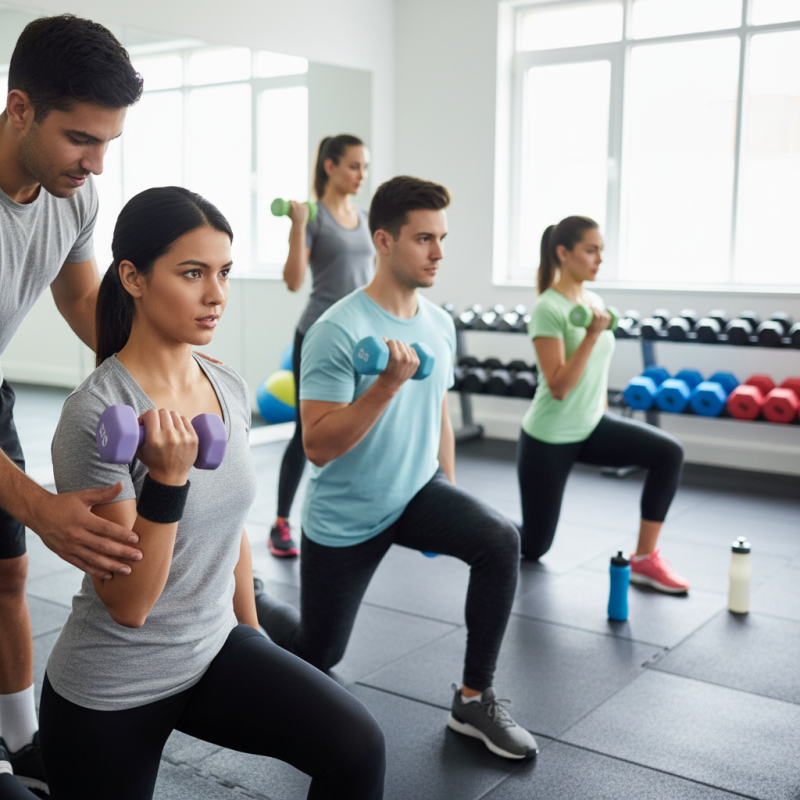
Understanding Your Fitness Goals Before Choosing Dumbbell Weights
Choosing the right dumbbell weight starts with understanding your fitness goals. Are you aiming for strength, endurance, or toning? Each goal requires a different approach. For strength building, selecting heavier weights with fewer reps can be effective. For endurance, lighter weights with higher repetitions might be beneficial.
Consider your current fitness level. If you are a beginner, it's common to underestimate your starting weight. Observe your body during workouts. If your last few reps feel too easy, it might be time to increase the weight. Conversely, if you're struggling to complete your sets, reconsider your choice.
Tracking your progress is essential. Log your workouts to see where you excel and where you struggle. This will help you make adjustments needed to achieve your goals. Remember that fitness is a journey, and it's okay to feel challenged. It's through these challenges that you learn and grow.
Assessing Your Current Strength Level as a Beginner
Assessing your current strength level is crucial when choosing dumbbell weights as a beginner. Understanding where you stand will help prevent injury and ensure effective training. Research from the American Council on Exercise indicates that beginners often overestimate their strength. This can lead to selecting weights that are too heavy, increasing the risk of strain or injury.
To find the right weight, start with a basic self-assessment. Consider how many repetitions you can comfortably perform with a particular weight. A good rule of thumb is to choose a weight that allows you to complete 8-12 repetitions with proper form. If you struggle after just a few repetitions, the weight is likely too heavy. On the other hand, if you can easily exceed 12 reps, it might be time to increase the load.
In addition, it's important to listen to your body. Beginner lifters should experience some muscle fatigue by the end of their sets. However, sharp pain or extreme fatigue could signal that you've chosen the wrong weight. By paying attention to these signals and adjusting, you can make more informed decisions. This evaluation process is essential for establishing a solid foundation in strength training.
Calculating Ideal Dumbbell Weight Based on Exercise Type
Choosing the right dumbbell weight is crucial for beginners. The appropriate weight often depends on the type of exercise being performed. Research from the National Academy of Sports Medicine indicates that for strength training exercises like curls and presses, weights should range from 40% to 60% of your one-rep max. This formula helps prevent injury and promotes proper form.
For compound movements such as squats or deadlifts, it is recommended to use a weight that is 60% to 80% of your one-rep max. However, beginners often underestimate their capacity. A study published in the Journal of Strength and Conditioning Research notes that many newcomers start with weights that are too light. This can lead to frustration and slower progress.
Adjusting the weights after each workout is essential. Tracking performance can inform your next choices. If you find that you can easily complete your reps, it may be time to increase the weight. Conversely, if you struggle or feel fatigued too early, consider reducing it. There’s no one-size-fits-all answer, and it takes experimentation to find the perfect fit. Always prioritize safety and listen to your body during workouts.
How to Choose the Best Dumbbell Weight for Beginners? - Calculating Ideal Dumbbell Weight Based on Exercise Type
| Exercise Type |
Recommended Weight (lbs) |
Purpose |
Repetitions |
| Bicep Curl |
5-10 |
Strengthening arms |
8-12 |
| Tricep Extension |
5-10 |
Strengthening triceps |
8-12 |
| Chest Press |
10-15 |
Building chest strength |
8-10 |
| Shoulder Press |
8-12 |
Strengthening shoulders |
8-10 |
| Lunges |
10-15 |
Leg strength and balance |
10-15 |
Considering Weight Adjustability for Long-Term Use
When starting a workout routine, selecting the right dumbbell weight is essential for beginners. Weight adjustability is a key factor to consider. Adjustable dumbbells allow users to change weights easily, making them versatile for various exercises. This feature enables gradual progression, which is crucial for building strength and preventing injury.
For beginners, it can be tempting to choose heavier weights too quickly. This can lead to improper form and potential injuries. An adjustable set lets you start light, allowing your body to adapt. As you gain strength, you can increase the weight incrementally. This method encourages sustainable growth while keeping workouts engaging.
Long-term use is important when investing in dumbbells. Adjustable options may require a higher upfront cost. However, they often save money over time by eliminating the need to buy multiple sets. It’s a practical choice for home gyms with limited space. While the initial decision may feel daunting, focusing on versatility and safety will lead to better fitness outcomes.
Safety Tips to Prevent Injury While Using Dumbbells
When starting with dumbbells, safety is crucial. Ensuring a safe workout environment helps prevent injuries. Choose a well-lit space, free of clutter. Always check your dumbbells for any signs of damage before use. A cracked handle can lead to drops and accidents.
Start with lighter weights to master your form. Proper technique not only enhances your results but also protects you from strain. Always warm up before lifting. A few minutes of light cardio prepares your muscles. Stretching afterwards aids in recovery.
Listen to your body while exercising. If something feels off, stop immediately. Don't push through pain. Gradually increase weights as your strength improves. Remember, it’s a journey, not a race. Reflection is vital to adapt your routine safely over time. Keep a workout journal to track progress and learn from any missteps.
FAQS
: Start by identifying your goals, such as strength, endurance, or toning. Each requires different weights and repetitions.
Beginners often underestimate their starting weight. It's important to choose lighter weights to master form and technique first.
Logging workouts helps identify strengths and weaknesses. This knowledge allows for necessary adjustments to meet your goals.
Adjustable dumbbells provide versatility and allow for gradual weight increments, which is essential for safe strength building.
Work in a clear area, check equipment for damage, and start with lighter weights to maintain proper form and prevent injury.
Stop immediately if something feels off. It's crucial not to push through pain and to listen to your body.
Gradually increase weights as you improve. Reflecting on your workouts helps adapt your routine to your evolving needs.
Warming up prepares your muscles for lifting. It can prevent injury and enhance performance during strength training.
Yes, challenges are part of the journey. They help you learn and grow as you progress toward your fitness goals.
Keeping a workout journal allows you to track progress and reflect on successes. This can enhance your commitment over time.
Conclusion
When it comes to how to choose the right dumbbell weight for beginners, it's essential to start by understanding your fitness goals. Whether you're looking to build strength, tone muscles, or improve overall fitness, your objectives will guide your choice. Additionally, assessing your current strength level is crucial; beginners often benefit from lighter weights to master form before progressing.
Calculating the ideal dumbbell weight also varies based on the type of exercises planned. For instance, compound movements might require heavier weights compared to isolation exercises. Considering weight adjustability can enhance your workout routine as it allows for gradual progression without needing multiple sets. Lastly, safety tips, such as proper lifting techniques and avoiding excessive weight, are vital to prevent injury while gaining strength with dumbbells.

 ProGear Sport