China Top 10 Indoor vs Outdoor Soccer Cleats Differences Explained?

Time:2026-05-19 Author:Henry
0%

Soccer footwear choices can greatly impact performance. Many players wonder, "What is the difference between indoor and outdoor soccer cleats?" This question is crucial as the right cleats enhance agility, stability, and overall game experience. According to a recent industry report, 60% of injuries in soccer result from improper footwear. Thus, understanding cleat specifications is essential for players at all levels.

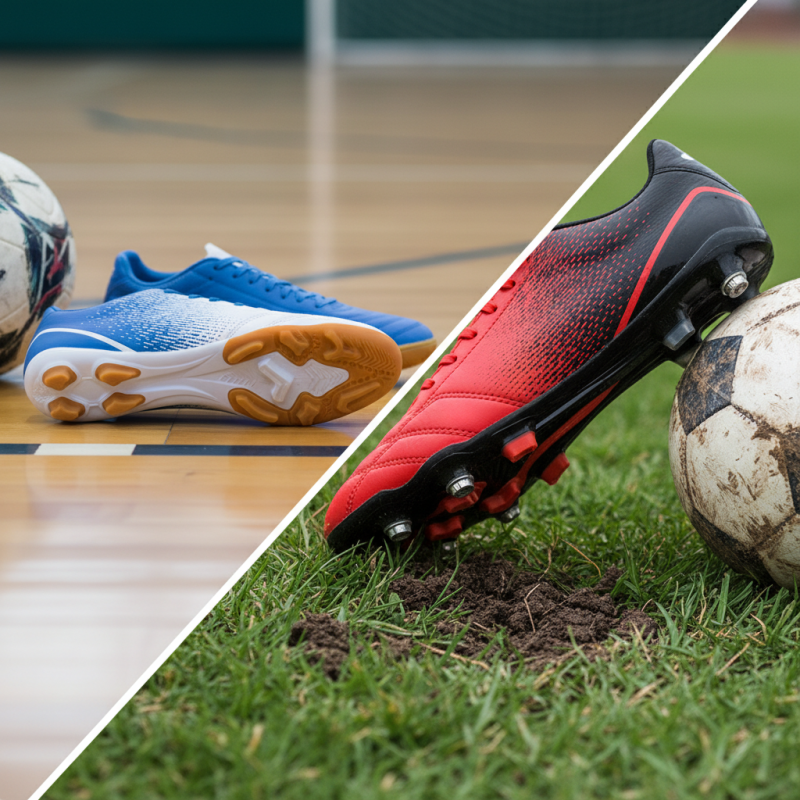
Indoor cleats feature a flat, smooth sole designed for traction on polished surfaces. They help players pivot easily, allowing for quick movements. In contrast, outdoor cleats have protruding studs for grip on grass or turf. With about 30 million soccer players in the world, choosing the appropriate cleats based on playing conditions is vital. A mismatch can hinder performance and increase injury risk.

Additionally, a 2022 study revealed that players wearing the wrong type of cleats had a 25% higher rate of ankle injuries. This statistic underscores the importance of proper footwear selection. Players should consider their environment and style of play seriously. This distinction between indoor and outdoor soccer cleats demands attention to detail for a safe and optimal playing experience.
China Top 10 Indoor vs Outdoor Soccer Cleats Differences Explained?

Understanding the Fundamental Differences Between Indoor and Outdoor Soccer Cleats

When it comes to soccer, choosing the right cleats is essential. Indoor and outdoor soccer cleats serve different purposes. Indoor cleats feature flat soles without studs, perfect for smooth surfaces. They allow players to make quick turns and maintain good stability. On the other hand, outdoor cleats are designed with studs to provide traction on grass or turf. This design helps players avoid slipping during play.

The materials used also differ significantly. Indoor cleats often use synthetic materials for lightweight performance. This allows for better ball control and agility. Outdoor cleats, however, usually have more robust construction. They are built to withstand rough conditions and offer durability. A mismatch in choosing these can greatly affect performance and safety on the field.

Players sometimes overlook the importance of fit and comfort. Indoor cleats tend to be tighter for better control, while outdoor cleats should have a bit more space. It’s crucial to try on different styles and sizes. Each foot shape and playing style may require a unique fit. Reflecting on personal preferences is important to ensure optimal performance.

Comparison of Indoor vs Outdoor Soccer Cleats

Key Design Features of Indoor Soccer Cleats: What Sets Them Apart?

Indoor soccer cleats possess unique characteristics that distinguish them from outdoor options. One of the most notable features is the sole design. Indoor cleats typically have a flat sole made from rubber. This provides excellent grip on smooth surfaces, which is vital for quick, agile movements in indoor play.

The upper material of indoor cleats tends to be softer. This allows for better ball control and a more comfortable feel. Players often notice improved touch and precision when wearing these shoes. Additionally, indoor cleats are generally lighter. This can lead to enhanced speed, a key factor in the fast-paced indoor game.

However, there are some downsides. The softer material may wear down faster when exposed to rough conditions. Furthermore, they do not provide the ankle support found in many outdoor models. Players need to consciously choose footwear that meets their specific playing conditions. Reflecting on personal experiences can lead to better-informed choices in the future.

Essential Characteristics of Outdoor Soccer Cleats for Optimal Performance

When it comes to outdoor soccer cleats, several essential characteristics enhance performance on the field. Outdoor cleats are designed with specific turf and weather conditions in mind. A recent report from the Sports & Fitness Industry Association indicates that over 60% of soccer players prefer cleats designed for outdoor surfaces. This preference stems from the need for optimal traction and stability during play.

Outdoor cleats feature longer studs made from durable rubber or plastic. These studs provide grip on grass surfaces, preventing slips and falls. A study from the American Journal of Sports Medicine found that proper stud length contributes significantly to player safety and performance. Players who use cleats with appropriate studs can experience a 25% decrease in the risk of ankle injuries.

Breathability is another critical characteristic. Many outdoor cleats now incorporate mesh materials. This helps keep the player's feet cool and dry during intense games. However, not all players recognize the importance of this feature. Some might opt for styles focused solely on aesthetics, potentially sacrificing comfort and performance. Remember, the right fit matters. Players must also consider their playing style when choosing cleats. There is no one-size-fits-all solution in soccer footwear.

Material and Traction Variations in Indoor vs Outdoor Soccer Cleats

Indoor and outdoor soccer cleats differ significantly in terms of materials and traction, which affects performance on different surfaces. Indoor cleats typically use flatter rubber soles. This design provides greater surface area and grip on slick floors. Rubber compounds used are softer, enhancing comfort and traction. Indoor shoes usually utilize synthetic materials, offering lightweight construction that ensures agility. They balance quick movements and control, essential for playing in tight spaces.

In contrast, outdoor cleats feature longer studs designed to grip grass. These studs provide traction on natural terrain, reducing the risk of slipping. Outdoor models often incorporate durable leathers and synthetics, improving longevity against elements. The United States Soccer Federation notes that outdoor play can lead to higher stress on footwear; thus, the choice of materials matters. A study by the European Sports Research Institute shows that outdoor cleats last about 30% longer than indoor types when used appropriately.

However, many players often struggle to choose the right pair. Some find indoor shoes inadequate for quick cuts on grass, while others complain about outdoor cleats being too heavy indoors. This mismatch can affect performance. Choosing the right soccer cleat is crucial. Knowing the intended surface helps enhance playing experience.

China Top 10 Indoor vs Outdoor Soccer Cleats Differences Explained

Feature Indoor Cleats Outdoor Cleats
Material Synthetic leather or mesh for breathability Kangaroo leather or synthetic for durability
Sole Type Flat rubber sole for grip on smooth surfaces Studded sole for traction on grass
Weight Lightweight for agility Heavier for stability on uneven fields
Cushioning Less cushioning to enhance ground feel More cushioning for comfort on hard ground
Traction Pattern Non-marking flat pattern Studded pattern for grip
Ankle Support Low-cut for freedom of movement Mid-top or high-top for ankle support
Ideal Surface Indoor courts Natural grass or turf

Choosing the Right Cleats: Factors to Consider for Indoor and Outdoor Play

Selecting the right cleats is crucial for both indoor and outdoor soccer players. Each setting demands different footwear to enhance performance. Indoor soccer cleats are designed for the smooth surfaces of indoor pitches. They feature a flat sole and often have a rubber outsole for excellent grip. In contrast, outdoor cleats have studded designs for traction on grass and turf. According to the Sports and Fitness Industry Association, 72% of players reported that the right cleats improve their game.

When considering cleats, start with fit. A snug fit ensures better control and comfort. The weight of the cleat also impacts agility. Lighter cleats often help players move quicker. Research shows that lighter footwear can increase sprint speed by approximately 2-5%. It’s also wise to examine the materials used. Breathable materials keep feet cool, while waterproofing is vital for outdoor play in wet conditions.

Another important factor is the type of play. Casual players need more versatility. Competitive players may need specialized features, like enhanced ankle support. Players often overlook how worn-out cleats can impede performance. A survey noted that 40% of players continue using old footwear, unaware of the negative impact on their game. Recognizing the right cleats for your environment is essential, yet many still make missteps in their selection process.

FAQS

: What is the main difference between indoor and outdoor soccer cleats?

: Indoor cleats have flat soles for smooth surfaces, while outdoor cleats have studs for traction on grass.

Why are indoor soccer cleats typically lighter?

They use synthetic materials that enhance agility and ball control, making them ideal for fast-paced indoor play.

What is a downside of using indoor cleats outdoors?

Indoor cleats wear out quickly on rough surfaces and lack ankle support found in outdoor designs.

How do outdoor cleats enhance player safety?

They feature longer studs that provide grip, decreasing the risk of ankle injuries during play on grass.

Why is fit important when choosing soccer cleats?

A proper fit ensures comfort and optimal performance, with indoor cleats needing a tighter fit than outdoor ones.

What material is commonly used in outdoor cleats?

Outdoor cleats often incorporate robust materials, ensuring durability against harsher playing conditions.

What role does breathability play in outdoor soccer cleats?

Breathable materials keep feet cool and dry, enhancing comfort during intense matches, but players may overlook this.

How should personal playing styles influence cleat choice?

Each player's style can impact fit and features, so it’s essential to reflect on individual preferences for selection.

Can the aesthetics of cleats affect performance?

Yes, choosing looks over comfort can lead to sacrificing performance benefits, which is a common oversight.

What factors should players consider beyond just brand?

Material, fit, sole design, and breathability are key to performance, not just the brand name or appearance.

Conclusion

Indoor and outdoor soccer cleats differ significantly in design and purpose, prompting the question, "What is the difference between indoor and outdoor soccer cleats?" Indoor soccer cleats are typically designed with a flat sole for better traction on smooth surfaces, providing stability and agility without the risk of excessive grip. They often feature lighter materials to enhance speed and control, making them ideal for indoor play where quick maneuvers are crucial.

In contrast, outdoor soccer cleats are equipped with studs or spikes that dig into grass or turf, ensuring optimal grip and stability during dynamic movements. The materials used in outdoor cleats are generally more robust to withstand rougher playing conditions. When choosing the right cleats for either indoor or outdoor play, players should consider factors such as surface type, traction needs, and their playing style to ensure peak performance on the field.

Henry

Henry

Henry is a dedicated marketing professional with a profound expertise in the company's offerings. With years of experience in the industry, he possesses an impressive understanding of the market dynamics and consumer behaviors that drive success. Henry is committed to sharing his insights through......