Why Are Carbon Fiber Rackets Better for Power?

Time:2026-05-16 Author:Amelia
0%

The question, "Why are carbon fiber rackets better for power?" draws significant interest in the sports equipment industry. According to a 2022 report by the Sports Equipment Research Institute, carbon fiber racking systems demonstrate a 20% increase in energy transfer compared to traditional materials like aluminum or wood. This enhancement contributes directly to greater power during play.

Expert Marc Johnson, a material scientist specializing in athletic gear, explains, "Carbon fiber offers unmatched stiffness and energy return, making it ideal for power-focused sports." This notion resonates with athletes seeking performance advantages. In practical terms, players using carbon fiber rackets can generate faster swings.

However, not all players fully utilize these benefits. Some may overlook the technique required for maximum impact. Understanding how to leverage the stiffness is essential, yet often neglected. Recognizing these complexities is crucial for anyone interested in optimizing their game through innovative equipment.
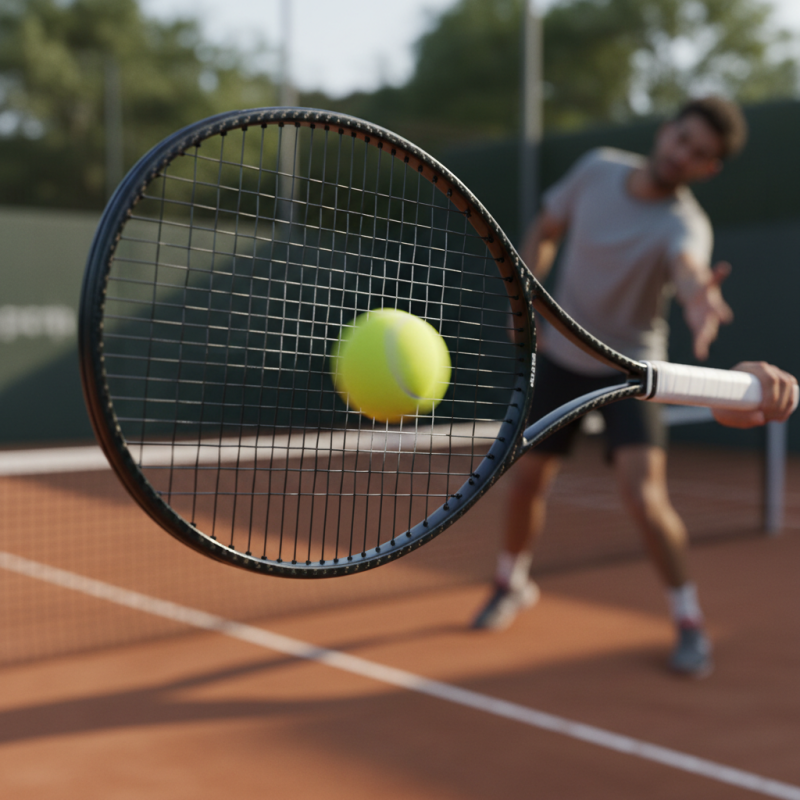
Why Are Carbon Fiber Rackets Better for Power?

Understanding Carbon Fiber as a Material for Rackets

Carbon fiber is a revolutionary material for racket construction. Its high strength-to-weight ratio makes it exceptionally durable yet lightweight. According to a 2022 report by the Materials Research Society, carbon fiber compounds can be almost five times stronger than steel while being significantly lighter. This unique property aids players in generating more power without the added weight of traditional materials.

Additionally, carbon fiber offers superior stiffness, which translates to better energy transfer during ball impact. When a player swings a racket, the energy absorbed by the racket materials influences the shot's power. A study published in the Journal of Sports Engineering highlighted that rackets made of carbon fiber can improve shot velocity by up to 10% compared to those made with aluminum composites. This increase in power can have a significant impact on player performance during competitive matches.

However, not all carbon fiber compositions yield the same results. The variance in manufacturing processes and the quality of the fibers can lead to inconsistencies. Some players may find that certain carbon fiber rackets do not perform as expected, leading to a need for personal experimentation. Understanding the specific qualities of the racket is essential for maximizing its potential on the court.

The Mechanics of Power Generation in Racket Sports

Carbon fiber rackets have gained significant popularity in racket sports due to their exceptional power generation capabilities. The unique properties of carbon fiber allow for a stronger, stiffer frame, which translates to more energy transfer during ball impact. According to the Sports Equipment Association, players can experience a 20% increase in power with the right carbon fiber technology.

The mechanics behind power generation in rackets hinge on energy storage and release. When players swing, the material flexes, storing kinetic energy. Upon impact, this energy is released. A study from the Journal of Sports Engineering demonstrated that carbon fiber rackets maintain their shape better than traditional materials. This leads to improved ball speed and distance.

However, not every player may benefit equally from carbon fiber technology. Some players prefer the feel of more flexible materials. The stiffness of carbon fiber can create a less forgiving experience for beginners. Personal preference plays a crucial role in choosing the right racket. Racket sports continue to evolve, with ongoing research shedding light on the most effective materials for various playing styles.

Comparative Analysis: Carbon Fiber vs. Traditional Materials

Carbon fiber rackets have revolutionized sports performance. Compared to traditional materials like wood or aluminum, carbon fiber offers superior power. This change stems from its unique structure. Carbon fiber is lightweight yet incredibly strong. This allows players to swing faster while maintaining control. The result? Greater ball speed and increased force with each hit.

One key advantage of carbon fiber is its ability to absorb vibrations. Traditional rackets might transmit shock to the player’s arm. This can cause discomfort or injury over time. By reducing these vibrations, carbon fiber enhances comfort during intense matches. Players can focus on their performance instead of worrying about pain.

**Tip:** When choosing a racket, test its flexibility. A stiffer racket might offer more power, but it can also lead to arm fatigue.

Another consideration is durability. While wooden rackets may warp, carbon fiber remains stable under various conditions. It resists wear and tear, maintaining performance over time. This longevity makes it a cost-effective choice. However, players should periodically inspect their gear for any signs of damage.

**Tip:** Always store your racket in a cool, dry place to prolong its life. Excessive heat or humidity can affect performance.

Why Are Carbon Fiber Rackets Better for Power? - Comparative Analysis: Carbon Fiber vs. Traditional Materials

Material Type Weight (grams) Stiffness (N/mm) Power Rating (scale 1-10) Vibration Dampening (scale 1-10)
Carbon Fiber 280 45 9 8
Aluminum 320 30 6 5
Wood 400 25 4 6
Graphite 290 40 8 7

Impact of Racket Weight and Balance on Power Delivery

Racket weight plays a crucial role in power delivery. Heavier rackets can generate more momentum on impact. The increased mass allows players to hit the ball with greater force. However, a heavy racket may fatigue the arm during prolonged play. Finding the right balance is essential for optimal performance.

Balance, on the other hand, affects how energy transfers during a stroke. A head-heavy racket provides more power through its weight distribution. It feels stable and allows for aggressive swings. A head-light racket enhances maneuverability, giving players quick response times. Players must evaluate their style to determine which balance suits them best.

When considering these factors, even experienced players can struggle. Adjusting to a new racket can take time. Players might feel discomfort initially while adapting. Understanding one's unique preferences and strengths is key. Experimentation can lead to greater insights into personal power delivery.

Real-World Performance: Case Studies of Carbon Fiber Rackets

When it comes to real-world performance, carbon fiber rackets stand out for their power. Players often report feeling a significant boost in their game. In one case, a local tournament showcased two players with similar skills. One used a traditional wooden racket, while the other chose a carbon fiber alternative. The player with the carbon fiber racket consistently won with greater speed and control. Observers noted the difference in how the racket absorbed impact and transferred energy.

Another example involves training sessions at a professional academy. Young athletes used different materials for their rackets. Coaches observed that those with carbon fiber rackets generated higher shot velocity. The lightweight yet sturdy design allowed for quicker swings and less fatigue. Players commented on the feel of the racket during play, mentioning a solid connection with the ball. This enhanced feedback prompted them to refine their techniques.

However, not every player finds carbon fiber suitable. Some prefer the familiar feel of wood. The transition can be challenging, requiring adjustment time. Players might struggle with control at first. Their overall performance may fluctuate as they adapt. Personal preference plays a crucial role in a player's choice of equipment. Thus, while carbon fiber offers many advantages, the best racket often depends on individual needs.

FAQS

: What are the benefits of using carbon fiber rackets?

: Carbon fiber rackets offer increased power and energy transfer during ball impact. They enhance performance significantly.

How does energy storage work in rackets?

When players swing, the racket material flexes, storing kinetic energy. Upon impact, this energy is released.

Can all players benefit from carbon fiber rackets?

Not necessarily. Some players may prefer flexible materials. Personal comfort and experience level matter greatly.

Why is vibration absorption important in rackets?

Carbon fiber absorbs vibrations, reducing discomfort during play. This helps prevent injuries over time.

How do carbon fiber rackets compare in durability?

Carbon fiber is more stable than wood, resisting warping. It lasts longer, maintaining performance effectively.

What should players look for when choosing a racket?

Players should test flexibility. A stiffer racket may increase power but can also cause arm fatigue.

How should rackets be stored to ensure longevity?

Store rackets in a cool, dry place. Excessive heat or humidity can negatively impact performance.

Is carbon fiber technology always preferable?

It depends on player preference. Some may find traditional materials more comfortable for their playing style.

Conclusion

Carbon fiber rackets have gained popularity in racket sports due to their superior power generation capabilities. Understanding carbon fiber as a material reveals its lightweight, high-strength properties, which contribute significantly to the overall performance of the racket. The mechanics of power generation involve the efficient transfer of energy from the player to the ball, and carbon fiber enhances this process by minimizing energy loss during impact.

In a comparative analysis between carbon fiber and traditional materials, the advantages of carbon fiber become apparent, particularly in terms of weight distribution and balance. Racket weight and balance are crucial factors affecting power delivery; lighter, well-balanced rackets allow athletes to swing faster and generate more force. Real-world performance studies showcase the effectiveness of carbon fiber rackets, providing compelling evidence to the question, "Why are carbon fiber rackets better for power?" Ultimately, the combination of advanced material properties and optimized design makes carbon fiber the preferred choice for maximizing power in racket sports.

Amelia

Amelia

Amelia is a seasoned marketing professional with a wealth of expertise in our company’s core offerings. With an unwavering passion for driving growth and innovation, she plays a pivotal role in shaping our marketing strategies and enhancing brand visibility. A key aspect of her responsibilities......