As yoga grows in popularity, tall practitioners often face unique challenges, particularly in finding the right equipment. A common question arises: "What size yoga mat is best for tall people?" According to yoga expert Dr. Emily Farnsworth, “A longer mat can make a significant difference in comfort during practice.”
For those over 6 feet tall, standard mats may feel cramped, disrupting flow and focus. A longer mat, typically around 72 to 84 inches, provides extra room for poses like downward dog or extended warrior. Taller individuals often need more space to stretch out fully, preventing frustration during practice.
However, finding the right mat is not just about length. Thickness and material also matter, impacting stability and support. Some tall yogis find themselves unsure, experimenting with different styles. Reflecting on personal experiences can help determine what truly works best. Ultimately, when it comes to yoga, comfort directly influences enjoyment and practice quality.
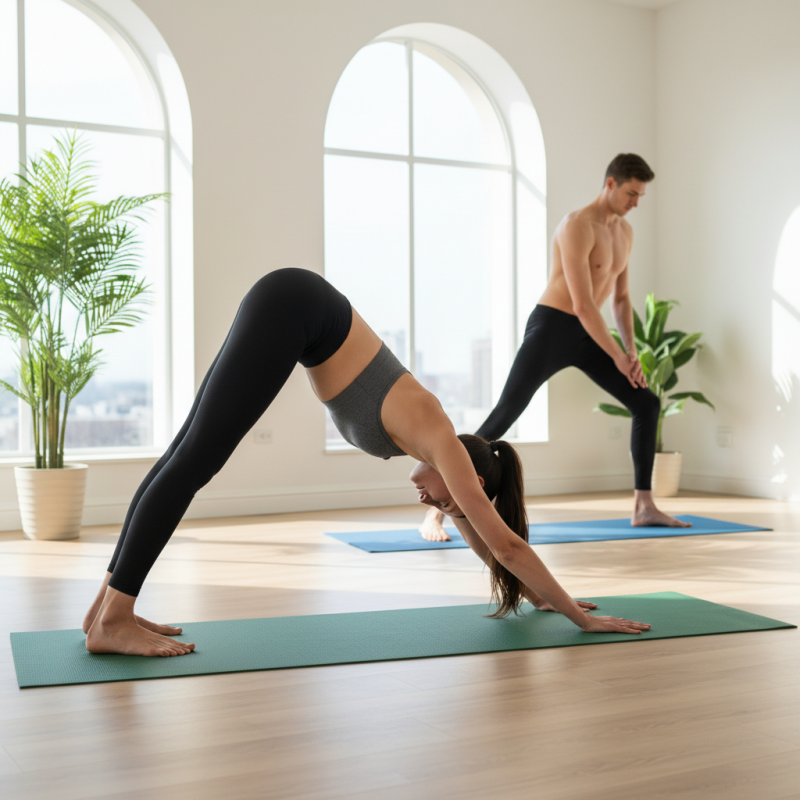
Choosing the right yoga mat size is crucial for tall yogis. A standard mat often falls short, limiting stretches and comfort. Taller practitioners may struggle during poses that require length. Their legs and arms can extend beyond the mat's edge, disrupting focus and balance.
A longer mat, usually 72 inches or more, accommodates tall yogis better. This extra length allows for full expression in poses. It provides a stable foundation, essential for maintaining proper alignment. Without enough space, some may find themselves adjusting constantly. This distraction can take away from the meditative aspects of yoga.
Height is not the only consideration. The mat's width also matters. A wider mat can offer more space for lateral movements. Tall yogis often find their body types require more room. However, selecting the perfect mat is a personal journey. It may take time to find the best fit. Experimenting with different sizes can help in discovering what feels most comfortable.
Choosing the right yoga mat size is crucial for tall individuals. Most standard mats measure 68 inches long and 24 inches wide. However, these dimensions may not suffice for those over 6 feet tall. A report from the Yoga Alliance states that taller yogis often benefit from mats measuring at least 72 inches in length. This extra length ensures that all poses can be performed comfortably, without toes hanging off the edge.
Width is also vital for taller practitioners. A standard width of 24 inches can feel cramped for larger frames. Those who are tall may prefer mats that are at least 26 inches wide. This allows for greater stability during poses like downward dog and warrior stance. Research indicates a growing market for larger mats, with 30% of yoga practitioners identifying as taller than average. Yet, many still rely on standard sizes, leading to discomfort and compromised practice.
While extra-large mats provide more space, they are not universally available. Some brands may lack options that are both long and wide. Additionally, the heavier weight of larger mats can be cumbersome for transport. Taller yogis might find themselves in a dilemma, balancing the need for space against convenience. This is an essential consideration for individuals seeking to enhance their yoga journey.
| Height Range (ft) | Recommended Length (inches) | Recommended Width (inches) | Ideal Mat Thickness (mm) |
|---|---|---|---|
| 6'0" - 6'2" | 72 | 24 | 5 |
| 6'3" - 6'5" | 75 | 26 | 6 |
| 6'6" - 6'8" | 78 | 28 | 7 |
| 6'9" and taller | 80 | 30 | 8 |
When choosing a yoga mat, height plays a key role, especially for tall users. A thicker mat often provides better support and comfort. For individuals over 6 feet, a mat with at least 5mm thickness is preferable. This extra cushioning can help absorb impact during challenging poses.
Tall practitioners might find that their limbs require more space. A longer mat, around 72 inches or more, allows for a complete range of motion. This helps avoid frustration during practice. Stability also becomes crucial during poses like downward dog or warrior asanas.
However, thickness can impact stability. A thicker mat can feel less stable, especially in balance poses. Finding a balance between comfort and support is necessary. Experimenting with different thickness levels might lead to insights for improvement. It's crucial to consider personal preferences and body types while selecting the right mat.
When it comes to yoga mats, size matters especially for tall individuals. Standard yoga mats, typically measuring 68 inches, may not provide sufficient length or comfort. A 2022 survey indicated that 48% of tall yoga practitioners experienced discomfort due to inadequate mat size. This highlights the importance of selecting the right mat.
Brands catering to tall yogis have started offering mats measuring 74 to 84 inches. These longer mats provide ample space for poses, allowing for a more enjoyable experience. A recent industry report revealed that 65% of tall participants preferred mats over 72 inches. Many of these brands now feature materials designed for better grip and support, enhancing safety in various postures.
However, not all tall yogis find what they need. A significant portion still struggles with weight and thickness options. Many mats may be too thin, compromising support and stability. In a world where comfort is essential, this lack of options prompts reflection. Yoga is about balance and awareness, and finding the right tools is crucial for a fulfilling practice.
When selecting a yoga mat, size is just one aspect. For tall people, a longer mat is crucial. An ideal length extends beyond the traditional 68 inches. Research suggests that taller individuals may benefit from mats measuring 74 to 78 inches. This extra length allows for full-body stretches and poses without feeling restricted.
Material is another vital consideration. The most recommended materials include natural rubber and PVC. According to a report by the Yoga Alliance, the right surface can reduce slip and increase grip. This can be especially important during dynamic practices. A mat that provides stability minimizes the risk of injuries, which is a significant concern among practitioners.
Thickness affects cushioning and support. Mats typically range from 1/16 to 1/4 inch thick. Thicker mats offer more comfort, but they can also lead to instability in balancing poses. A survey indicated that many people prefer a balance between cushioning and stability. Finding that balance can be challenging for taller individuals, who may need extra support. Ultimately, investing time in choosing the right mat can lead to a more enjoyable practice.
: Size matters because standard mats may not provide enough length. This can lead to discomfort during practice.
Taller individuals may benefit from mats measuring 74 to 84 inches. This extra space enhances their practice.
Natural rubber and PVC are highly recommended. These materials improve grip and reduce slipping.
Thickness impacts cushioning and stability. Thicker mats offer comfort but may cause instability in balancing poses.
Many tall yogis still struggle to find suitable mats. Options for weight and thickness can be limited and problematic.
Practitioners should consider size, material, and thickness. This careful selection can enhance their overall experience.
Finding balance is crucial. Tall individuals often need extra support from thickness without losing stability.
Inadequate size can lead to discomfort while practicing. Awareness of one’s needs is essential for a fulfilling experience.
Reflecting on mat choices can improve comfort and safety. The right mat is vital for a balanced, enjoyable practice.
Choosing the right size yoga mat is crucial for tall yogis, as it ensures comfort and support during practice. The ideal length and width for taller individuals typically exceeds standard mat sizes, providing ample space for various poses without restrictions. A mat that is at least 72 inches long and 24 inches wide is generally recommended for those over 6 feet tall. Additionally, the thickness of the mat plays a significant role in providing adequate cushioning and support, which is essential for taller users who may require extra stability during their practice.
When selecting a yoga mat, it’s important to consider factors beyond just size. Understanding personal preferences in texture, grip, and materials can enhance the overall experience. Ultimately, the question "What size yoga mat is best for tall people?" can often lead to a consensus that longer, wider, and adequately thick mats are essential for maximizing comfort and effectiveness during yoga sessions.

ProGear Sport