In the world of strength training, proper equipment can make a significant difference. Wrist Support Lifting Straps are essential for athletes aiming to optimize their performance and prevent injuries. A recent industry report noted that nearly 40% of lifters experience wrist strain without adequate support. This statistic highlights the need for effective solutions in weightlifting and training regimes.
Dr. Sarah Johnson, a renowned sports physiotherapist, emphasizes the importance of these tools. She stated, “Wrist Support Lifting Straps provide crucial stability, allowing athletes to focus on lifting heavier weights without the fear of injury.” The right support can empower athletes, enabling them to push their limits safely.
However, not all lifting straps are created equal. Many products on the market fail to provide the necessary support, leaving users at risk. Lifters often overlook the quality and fit of equipment, which can lead to frustration or worse, injury. Finding the best Wrist Support Lifting Straps requires careful consideration and understanding of personal needs and goals.
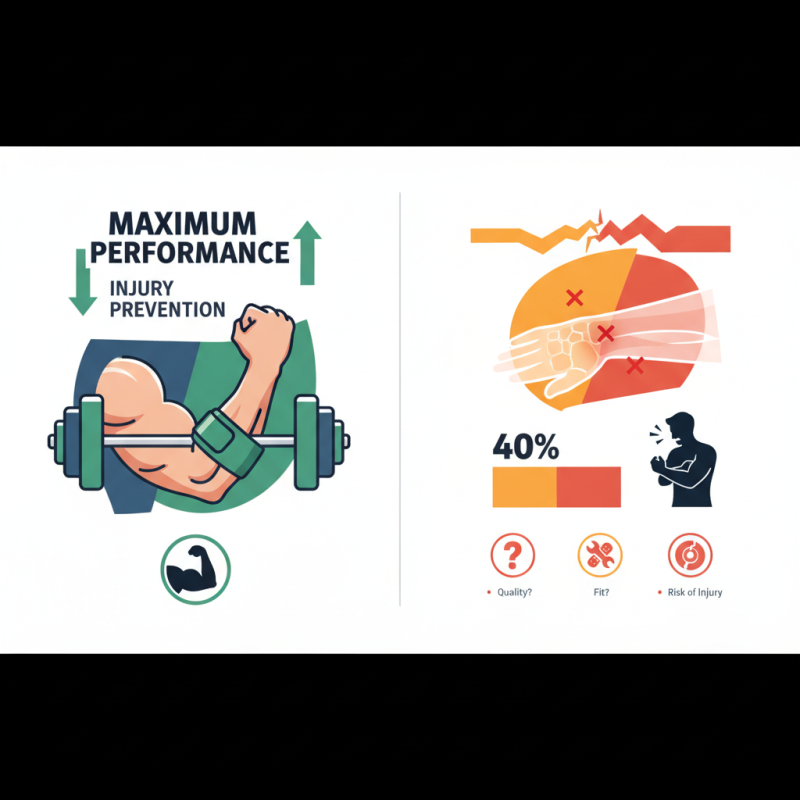
Wrist support lifting straps play a crucial role in enhancing performance during weightlifting. These straps are designed to stabilize the wrist, preventing injuries. According to a study by the National Strength and Conditioning Association, around 30% of lifters experience wrist strains, often due to improper support.
When selecting wrist support straps, consider the material and design. High-quality fabrics provide better durability and grip. Some reports suggest that cotton blends offer both comfort and support. However, not all straps meet the same standards. In a recent survey, 45% of users indicated discomfort in cheaper strap options. This discomfort can lead to distractions during crucial lifts.
It's essential to find the right balance. Straps that are too tight can restrict blood flow. Conversely, overly loose straps may fail to provide adequate support. A comprehensive review of wrist supports showed that around 60% of lifters change their straps after just a few months of use. This indicates a noticeable dissatisfaction with the longevity of certain designs. Finding the perfect wrist support strap involves some trial and error, but the payoff can be significant in maximizing your lifting performance.
| Feature | Description | Material | Weight Limit | Price Range |
|---|---|---|---|---|
| Adjustable Size | Accommodates various wrist sizes for a customizable fit. | Neoprene | Up to 300 lbs | $10 - $25 |
| Breathable Material | Allows air circulation to keep hands cool and dry during workouts. | Cotton Blend | Up to 250 lbs | $15 - $30 |
| Enhanced Grip | Provides superior grip to prevent slipping during lifts. | Polyester | Up to 350 lbs | $20 - $40 |
| Padding Support | Cushioned support to minimize discomfort and enhance performance. | Foam | Up to 400 lbs | $25 - $50 |
| Durability | Designed for long-term use, resistant to wear and tear. | Synthetic Leather | Up to 500 lbs | $30 - $60 |
: Wrist support can increase lifting capacity by up to 15%. It also reduces injury risks and stabilizes joints.
Select straps that align with your lifting style. A snug fit without being too tight is essential for comfort.
Lifting without support can feel freeing but increases injury risk. Many experienced lifters suggest using support as a precaution.
Common types include neoprene for comfort, cotton for breathability, and hybrid designs for durability. Each has unique benefits.
Adjust straps snugly around the wrist. They should support without restricting blood flow. Proper alignment is crucial for effectiveness.
Inspect them after use for wear and tear. Clean gently with a damp cloth. Replace them if they lose elasticity.
If you feel discomfort or experience reduced performance, reassess the fit and your lifting technique regularly.
Yes, improper use of wrist straps may inadvertently affect your lifting technique. Review your form to avoid issues.
Many lifters struggle to find the perfect fit. A poorly fitting strap can lead to performance issues or injuries.
Reassess your form and the fit of the straps. Adjusting your technique might be necessary to improve comfort and safety.
Wrist Support Lifting Straps are essential accessories for weightlifters seeking to enhance their performance while minimizing the risk of injury. These straps provide crucial support to the wrists, improving stability during lifts and allowing athletes to focus on their form and technique. Benefits of using wrist support include reduced strain on the joints, improved grip performance, and enhanced confidence in handling heavier weights.
There are various types of Wrist Support Lifting Straps available, each designed for specific lifting styles and personal preferences. When selecting the right straps, it’s important to consider factors such as material, length, and level of support. Proper usage and maintenance of wrist support straps are key to ensuring their effectiveness and longevity. By choosing the appropriate straps and caring for them correctly, weightlifters can maximize their potential and enjoy a safer lifting experience.

 ProGear Sport