Living in a community often means sharing space with neighbors who may have different lifestyles. For basketball enthusiasts, this can lead to complaints about noise. If you're wondering how to stop neighbors from complaining about basketball noise, you're not alone. Many players face this challenge. Noise can escalate quickly during exciting games, leading to frustration for those nearby.
Understanding your surroundings is crucial. Consider soundproofing options. Installing mats or padding can absorb noise. Using a quieter basketball can also make a significant difference. Engage with your neighbors and listen to their concerns. Sometimes, simple changes in your playing schedule can alleviate issues.
Reflection is key. It’s easy to feel defensive about your hobbies. However, embracing a collaborative approach with your neighbors can foster understanding. Creating a harmonious environment requires effort, but the rewards can enhance your community experience. Being mindful of noise will lead to lasting relationships and a more enjoyable atmosphere.
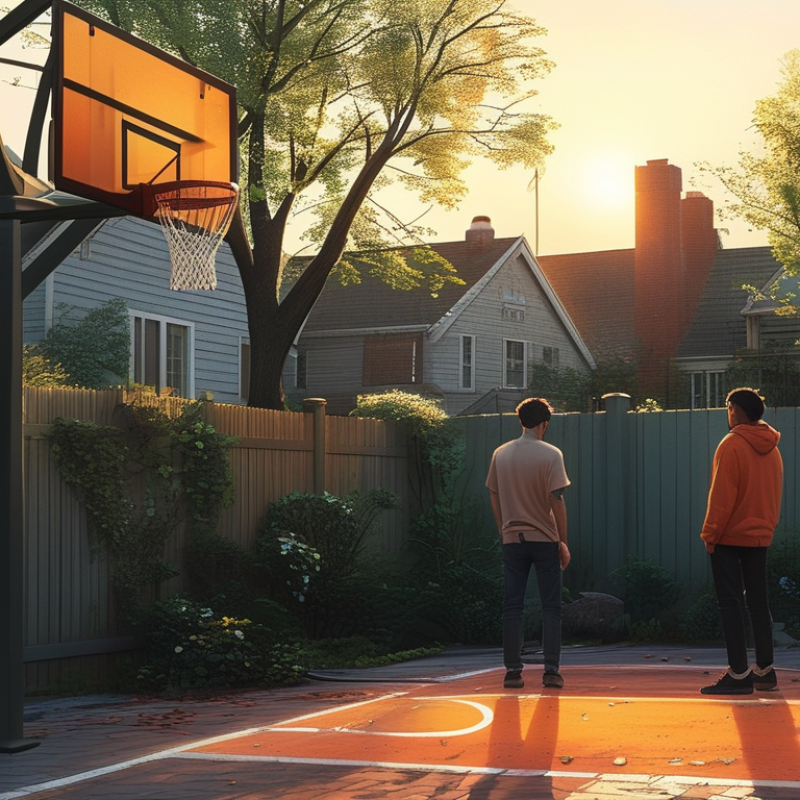
Basketball noise can disrupt the peace in a neighborhood. The sound of dribbling, squeaking shoes, and the swish of nets can be intrusive. Many neighbors may feel frustrated, especially during late hours. Understanding this impact is key to fostering a harmonious community.
Effective communication is important. Discussing noise concerns openly can help both parties find common ground. Neighbors might benefit from designated play times. This way, young athletes can enjoy their game while minimizing disturbances. Adding sound barriers, like outdoor mats or green hedges, might also reduce noise levels significantly.
Residents might reflect on their playing habits and consider the times they practice. Playing basketball during quieter hours could be more considerate. Acknowledging the neighbors' need for peace is crucial. Finding solutions that respect everyone's space can make living together easier.
| Method | Description | Effectiveness | Estimated Cost |
|---|---|---|---|
| Soundproofing | Install soundproof materials in the area where you play. | High | $500+ |
| Adjust Playing Hours | Limit basketball sessions to less disruptive times. | Moderate | Free |
| Use an Indoor Hoop | Set up a basketball hoop indoors to minimize noise. | High | $300+ |
| Play on a Soft Surface | Use rubber mats or grass to absorb sound. | Moderate | $100+ |
| Communicate with Neighbors | Discuss noise concerns and reach a mutual understanding. | High | Free |
| Tree Planting | Plant trees or shrubs to act as a natural barrier. | Moderate | $50+ |
| Invest in a Quiet Basketball | Use specially designed basketballs that produce less noise. | High | $25+ |
| Install a Basketball Net | Use nets to help contain the noise and potential disruption. | Moderate | $200+ |
| Opt for Alternative Activities | Engage in quieter activities or sports. | High | Free |
| Work on Shooting Technique | Improve your shooting skills to reduce ball noise. | Moderate | Free |
: Common complaints include loud dribbling, thuds from the ball, and players shouting during games.
The noise can disrupt peace, especially during late hours. Many neighbors feel frustrated.
Establish specific playing hours, use softer basketballs, and play on noise-minimizing surfaces like grass.
Planting trees, installing fences, or using acoustic panels can help muffle basketball noise significantly.
Rubber flooring or mats can absorb sound and impact, reducing the overall noise levels during play.
Open discussions can help neighbors find common ground and accept designated play times more readily.
Yes, considering quieter play times can show respect for neighbors' need for peace.
Dense hedges and shrubs act as natural sound barriers, softening the noise from basketball games.
Listening to neighbors' concerns can lead to better solutions for managing noise during basketball activities.
Different environments may require various approaches. Experimenting can lead to unexpected but effective noise reduction.
In the search for solutions on how to stop neighbors from complaining about basketball noise, it's essential to first understand the impact of such noise on nearby residents. Many neighbors often raise complaints about the disruptive sounds that can interfere with their peace, particularly during late hours or unusually loud games. By recognizing these complaints, basketball enthusiasts can take proactive steps to mitigate the issue.
Implementing soundproofing solutions for basketball courts can greatly reduce noise pollution. Additionally, establishing a schedule for basketball practice hours ensures that activities are conducted at reasonable times. Encouraging open dialogue within the community can help address noise concerns directly, fostering understanding and cooperation among neighbors. By taking these measures, basketball players can continue to enjoy their pastime while maintaining a harmonious relationship with their community.

 ProGear Sport