In the world of heavy lifting, chalk plays a pivotal role for many athletes. Why do athletes use chalk for heavy lifting? The answer lies in its ability to improve grip and control. Chalk absorbs moisture from the hands, which can make a significant difference during intense workouts. A secure grip on the weights can reduce the risk of slips and enhance performance.
Athletes often face challenges when lifting heavy. Sweaty palms are a common issue that can compromise safety. By using chalk, they create a friction barrier between their hands and the barbell or dumbbells. This simple yet effective tool can help athletes push their limits and achieve their goals.
However, the reliance on chalk also prompts reflection on technique and reliance on external aids. While it offers benefits, over-dependence may hinder natural grip strength development. Balancing chalk use with strengthening exercises is crucial for long-term success. Therefore, understanding the question, "Why do athletes use chalk for heavy lifting?" goes beyond the immediate benefits. It becomes a part of a larger conversation about improving performance holistically.
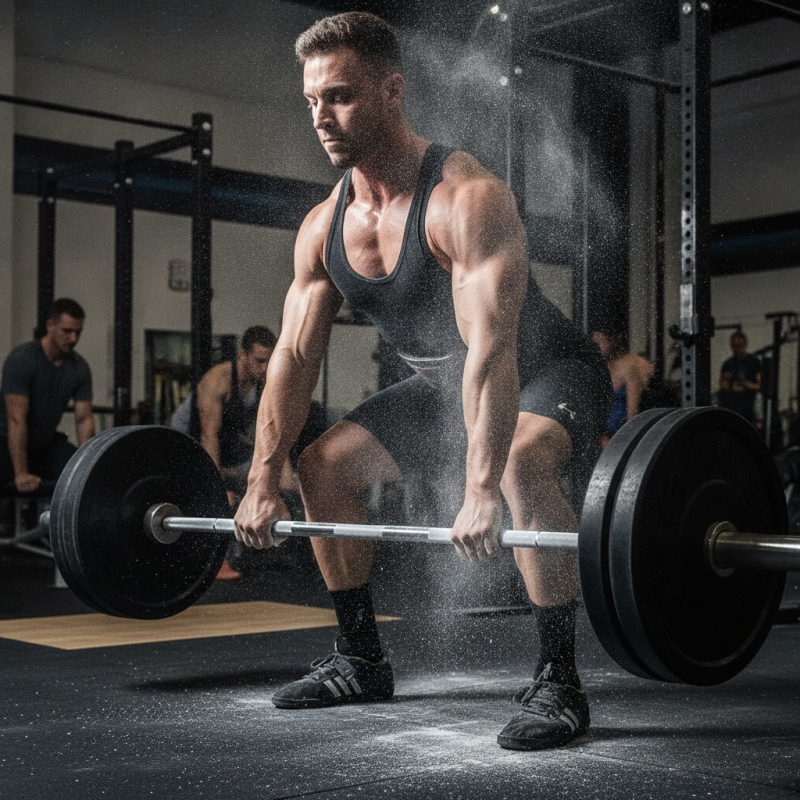
Chalk is a staple in the world of heavy lifting. Its primary benefit lies in enhancing grip strength, an essential factor for weightlifting. According to a 2023 study published in the Journal of Sports Science, lifters who used chalk improved their grip strength by up to 30%. This significant increase helps athletes lift heavier weights with better control.
Without chalk, sweaty hands often lead to slips during lifts. A survey by the National Weightlifting Association revealed that 70% of athletes experienced grip issues without the use of chalk. Furthermore, safety is paramount; using chalk reduces the chance of injury from slipping weights. Proper grip can prevent accidents that may occur in a gym setting. While chalk is beneficial, it can create messes and cause clothing stains, a downside worth considering.
Athletes face a psychological aspect when lifting. The feeling of secure grip from chalk offers confidence. However, reliance on it might lead to over-dependence, affecting their performance without it. Balancing its use is essential. Proper training programs incorporating grip exercises can complement chalk use effectively, allowing athletes to maximize their potential.
Chalk is a common tool among athletes, especially for heavy lifting. It serves a crucial purpose: reducing moisture. When hands are sweaty, it can be tough to maintain grip. Chalk absorbs this sweat, providing a dry surface for better control. This simple act can make a significant difference. Athletes often notice improved confidence when lifting.
Using chalk not only enhances grip but also boosts overall performance. A solid grip allows for more focus on form and technique. From deadlifts to bench presses, the right grip can prevent slippage. Slips can lead to injuries and hinder progress. However, not every lifter feels comfortable using chalk. Some may find it messy or distracting. This can lead to a less-than-ideal experience during intense workouts.
Reflecting on its use, athletes must consider their own preferences. While chalk is effective for many, it may not suit everyone. There are pros and cons. Ultimately, finding what works best for individual needs is key. Understanding personal strengths and weaknesses can guide the decision on whether to include chalk in training.
Chalk is a common sight in weightlifting gyms. It plays a critical role in enhancing safety during heavy lifting. A study conducted by the National Strength and Conditioning Association shows that athletes using chalk reported a 30% decrease in grip slips compared to those who did not. This underscores the importance of chalk in maintaining grip stability while lifting heavy weights.
Athletes often face the risk of injury from dropped weights. A secure grip is essential for safe lifting. Chalk improves friction between the hands and the barbell. This prevents accidents and helps maintain control over the weights. Research indicates that nearly 42% of lifting injuries stem from lost grip during lifts. By using chalk, lifters create a buffer against these risks, allowing them to focus on their technique more than their grip concerns.
However, chalk isn't a one-size-fits-all solution. Some lifters find that it can be messy or difficult to manage. Sweaty hands might still lead to slips, even with chalk. It's crucial for athletes to strike a balance. Evaluating personal experience and finding the right chalk application is key. Safety in weightlifting is multifaceted. Using chalk wisely can be an effective tool in an athlete's safety strategy.
Athletes often rely on chalk to improve their grip during heavy lifting. With various types available, it's vital to understand their differences. Magnesium carbonate is the most common chalk. It absorbs moisture effectively, keeping hands dry. This is essential for weightlifters. A strong grip enhances performance, leading to better lifts and fewer injuries.
While magnesium carbonate is popular, there are other options. Some athletes prefer liquid chalk. It combines chalk with alcohol, creating a mess-free alternative. Liquid chalk provides a smooth application, but it may not offer the same grip as traditional chalk. This inconsistency can be frustrating for serious lifters.
In contrast, gym chalk is blended with additives. These can enhance performance but may leave a residue. Athletes must weigh these factors when choosing chalk. No solution is perfect. Each type of chalk presents unique benefits and drawbacks. Understanding these differences can lead to better decisions in training.
When it comes to weightlifting, proper chalk application can enhance performance significantly. Applying chalk evenly on your hands is crucial. Too little chalk may lead to slipping, while too much can create a messy grip. Aim for a light dusting. It should feel dry but not caked on. Focus on the areas that contact the bar the most: your palms and fingers.
Before applying chalk, ensure your hands are clean and dry. Any moisture or residue can interfere with chalk's grip-enhancing properties. It can be helpful to have a chalk ball or a small container nearby for ease of access. For heavy lifts, consider reapplying chalk as needed throughout your workout. Listen to your body; if you feel your grip slipping, take a moment to renew the application.
Chalk can become gritty after multiple lifts, making it less effective. Pay attention to how it feels during your session. If you notice a decline in grip, reflect on your application technique. Sometimes, less is more; don’t fear adjusting your method for optimal results. Create a chalk routine that suits your style, and embrace the learning process. Effective chalk use is about finding what works best for you.
| Reason | Benefit | Tips for Application |
|---|---|---|
| Improved Grip | Prevents slipping of the barbell or dumbbells | Apply a moderate amount to hands, avoid excess |
| Wicks Moisture | Keeps hands dry during perspiration | Use in a dry environment if possible |
| Enhanced Power | Allows for heavier lifts by increasing stability | Apply before lifting, reapply as needed |
| Increases Confidence | Helps lifters feel secure and focused | Practice within personal limits to build confidence |
| Customizable Texture | allows for a personalized feel in handling weights | Experiment with different amounts to find the right balance |
: Chalk enhances grip strength, which is crucial for lifting heavy weights.
A study found lifters improved grip strength by up to 30% using chalk.
Chalk helps absorb sweat, preventing slips during lifts and enhancing control.
Chalk can create a mess and stain clothing, which some athletes find distracting.
A secure grip from chalk boosts confidence, but over-reliance may harm performance.
Apply a light dusting on palms and fingers to avoid slipping or creating a mess.
Reapply chalk if your grip feels slippery, and ensure hands are clean and dry.
Not everyone prefers chalk; some find it messy or distracting and may choose not to use it.
Develop a chalk routine that fits your style and reflects on your application technique.
Combine chalk use with grip strength exercises for optimal performance and confidence.
In the world of heavy lifting, one common question arises: "Why do athletes use chalk for heavy lifting?" The benefits of using chalk are manifold, primarily focusing on grip strength. A solid grip is crucial for performing lifts safely and effectively, and chalk aids in achieving that by reducing moisture on the hands, thereby enhancing performance. Additionally, chalk plays a significant role in safety during weightlifting by preventing slippage, which can lead to injuries.
Different types of chalk are available, each with varying properties, so understanding which is best suited for individual needs is essential for athletes. Proper application of chalk can maximize its benefits, ensuring that lifters get the most out of their weightlifting sessions. By addressing these aspects, athletes can significantly improve their lifting experience and outcomes.

ProGear Sport