Choosing the right tools for workouts is crucial. An "Ergonomic Kettlebell Handle" can make a significant difference. Fitness expert Dr. Emily Carter states, “A well-designed kettlebell handle can enhance your performance and reduce injury risk.” This emphasizes the importance of comfort during exercise.
When selecting an ergonomic kettlebell handle, consider shape and grip size. A handle that feels right in your hands is essential. It minimizes strain on your wrists and fingers. Many kettlebells on the market fail to address these needs. Users often find themselves struggling with uncomfortable handles, leading to ineffective workouts.
It's vital to analyze your personal fitness goals and challenges. Not every ergonomic model is perfect for everyone. Some may find a particular shape uncomfortable after extended use. Reflection on these experiences can lead you to the best option. Selecting the right "Ergonomic Kettlebell Handle" is not just about design; it’s about enhancing your entire workout experience.
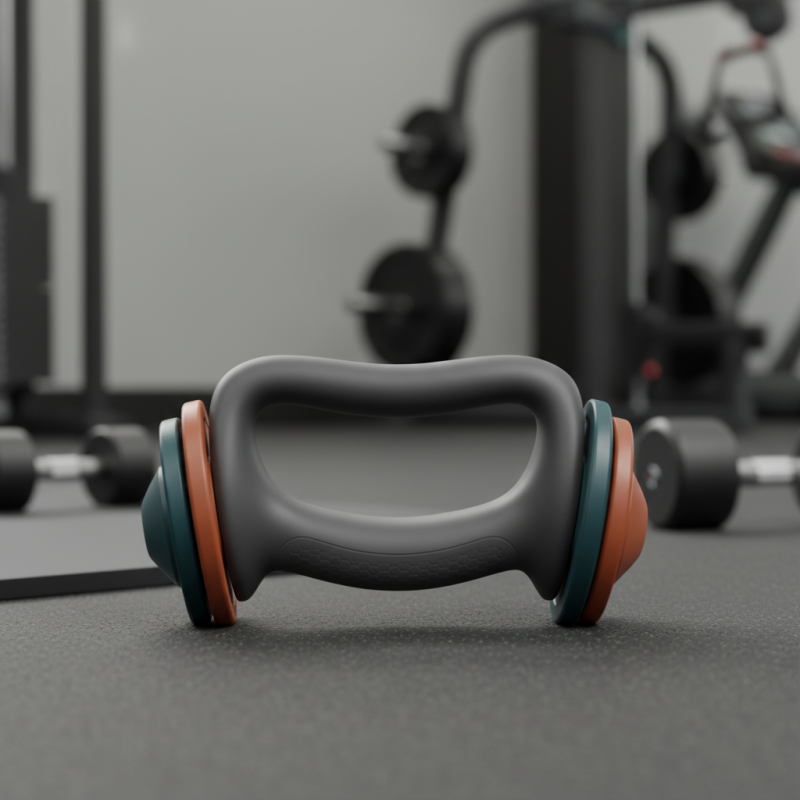
Ergonomics plays a vital role in designing kettlebell handles. A well-designed handle can significantly enhance your workout experience. When you hold a kettlebell, comfort and grip are essential. An ergonomic handle reduces strain on your hands and wrists. It allows for a natural grip that aligns with your body. This alignment is crucial during dynamic movements.
Many factors affect the ergonomics of kettlebell handles. The width and contour of the handle play significant roles. They should fit your hand size and offer a stable grip. Materials also matter. A textured surface can prevent slipping during workouts. However, some designs might not be the best fit for everyone. It's common to feel discomfort after prolonged use. This emphasizes the importance of finding a handle that suits your personal needs.
Testing different kettlebell handles is essential. Pay attention to how your hands feel during exercises. If you constantly adjust your grip, it may be time to reevaluate your choice. Reflect on how each handle affects your workout efficiency. Small adjustments can lead to better performance and comfort. Don't overlook how an ergonomic kettlebell handle can elevate your fitness routine.
This chart illustrates the ergonomic assessment ratings of various kettlebell handle features. The features evaluated include comfort, grip texture, weight distribution, size, and durability. Each feature is rated on a scale from 1 to 10, indicating their importance in providing a comfortable workout experience.
Choosing the best ergonomic kettlebell handle can enhance your workout experience. A comfortable grip is crucial. Look for handles that feel natural in your hand. An ideal kettlebell handle promotes better form and reduces strain.
One key feature is the width of the handle. A wider grip allows more room for your fingers. It can accommodate various hand sizes. This versatility can improve control during dynamic movements. Materials matter too. A textured surface can prevent slipping and promote a secure grip.
**Tips:** Check if the handle has a slight curve. This can feel more natural while lifting. Pay attention to the weight distribution of the kettlebell. Imbalance can lead to strain.
Consider the compatibility with your workout routine. Do you perform swings? A narrower handle might feel better during such exercises. Reflect on your experience. If your hands cramp easily, that’s a sign to rethink your choice. Always choose based on comfort and your training style.
| Feature | Description | Benefits |
|---|---|---|
| Comfort Grip | Soft, textured handle design for a secure hold. | Reduces slipping and enhances workout efficiency. |
| Weight Distribution | Balanced design for optimal stress distribution during exercises. | Minimizes strain on wrists and forearms. |
| Versatile Use | Compatible with various weight increments and exercises. | Allows for a full-body workout with one piece of equipment. |
| Durable Material | Made from high-quality, long-lasting materials. | Ensures safety and longevity in use. |
| Color Coding | Different colors for different weights for quick identification. | Facilitates easy access and selection during workouts. |
When it comes to kettlebell workouts, comfort is key. Many people overlook the handle's design. An ergonomic handle can significantly enhance your workout experience. It allows for a natural grip, reducing strain on your wrists and hands. A well-designed handle promotes better lifting techniques, which can lead to improved performance.
Several popular handles use different materials and shapes. Some feature a rounded grip, making them easier to hold. Others may have textured surfaces for added grip. These design features can make a noticeable difference during long sessions. However, not everyone loves the same handle style. Some users might find larger grips uncomfortable. Others may struggle with slippery materials that affect their grip stability.
Finding the right handle is personal. Trying out various designs can help you identify what works best. It's essential to consider your workout style and preferences. Reflecting on your experiences will guide you toward a more comfortable choice. Ultimately, everyone's hands are unique, making the quest for the perfect ergonomic handle an ongoing journey.
Ergonomic kettlebell handles can vastly improve your workouts. They reduce strain on your hands and wrists. A study from the National Academy of Sports Medicine found that improper grip can lead to injuries. With ergonomic designs, users report less discomfort. This is crucial for those working out frequently.
When using traditional kettlebells, the hard edges can dig into your hands. This can interrupt your routine. Ergonomic handles are wider and often softer. They distribute weight more effectively and enhance grip. Reports suggest that athletes experience a 20% increase in workout duration with these handles, avoiding the usual fatigue from discomfort.
Tips: Always check the handle’s grip before starting. Ensure it feels comfortable in your hand. Experiment with different styles to find what suits you best. Remember, a poor fit can hinder progress. Pay attention to your body. If something feels off, reassess your equipment. Comfort in grip matters—don't ignore it.
When selecting an ergonomic kettlebell handle, comfort is key. Look for a handle that fits your grip well. It should feel natural in your hand. Thick handles can strain your wrists. Thin ones may not provide enough stability. Aim for a size that matches your hand for maximum comfort.
Consider the material too. Soft rubber or textured surfaces can enhance grip. This allows better control during sweat-inducing sessions. An ergonomic design should reduce strain on your joints. Uneven weight distribution can lead to injury, so check the balance of the kettlebell. Even a slight unevenness can affect your workout.
Finally, test it out. If possible, hold the kettlebell before purchasing. Pay attention to how it feels during swings or lifts. Small adjustments can make a big difference. Many fail to realize that the right handle can significantly improve performance. Listen to your body and reflect on your needs. Find what works for you.
: A comfortable grip is crucial. The handle should feel natural in your hand.
A wider grip offers room for fingers and improves control. It benefits various hand sizes.
Textured surfaces can prevent slipping. A secure grip enhances performance during workouts.
A slight curve can feel more natural. It may reduce strain while lifting.
Thick handles can strain wrists. Thin handles may lack stability. Choose based on comfort.
Uneven weight can lead to strain or injury. Even slight imbalance impacts your workout quality.
Try different handles to see what feels best. Personal preferences vary widely.
If your hands cramp easily, consider reevaluating your handle choice. Comfort is key.
Yes, a well-designed handle promotes better techniques, leading to improved performance overall.
Yes, hold the kettlebell to assess comfort and feel during swings or lifts. It’s important.
An ergonomic kettlebell handle is designed to enhance comfort and performance during workouts by promoting better grip and supporting natural wrist positioning. Understanding ergonomics in kettlebell handles reveals key features that contribute to their effectiveness, such as shape, weight distribution, and material. A comparative analysis of popular ergonomic kettlebell handles highlights variances in design, facilitating informed choices for users seeking optimal workout experiences.
The benefits of using an ergonomic kettlebell handle include reduced risk of injury, increased workout efficiency, and enhanced overall comfort, enabling users to focus on their fitness goals without discomfort. When choosing the right ergonomic kettlebell handle, it's essential to consider personal preferences, intended workout types, and the handle's design features to ensure a suitable match for individual needs.

ProGear Sport