What are the Advantages of Thick vs Thin Yoga Mats?

Time:2026-06-16 Author:Amelia
0%

When considering yoga mats, one key question arises: what are the benefits of using a thick yoga mat vs a thin one? Renowned yoga expert Dr. Emily Carter emphasizes, "Choosing the right mat can deeply affect your practice."

Thick mats offer extra cushioning. This can be essential for those with sensitive joints. They provide support during poses that require balance and stability. Conversely, thin mats are favored by those seeking a stronger connection to the ground. They allow for better grip and are generally easier to transport.

However, the choice often comes down to personal preference. A thick mat may feel plush but can sometimes disrupt stability in standing poses. A thin mat may provide better traction but can feel harsh on the knees. Reflecting on these aspects is crucial. Each mat type has its unique benefits and drawbacks, impacting your yoga practice.
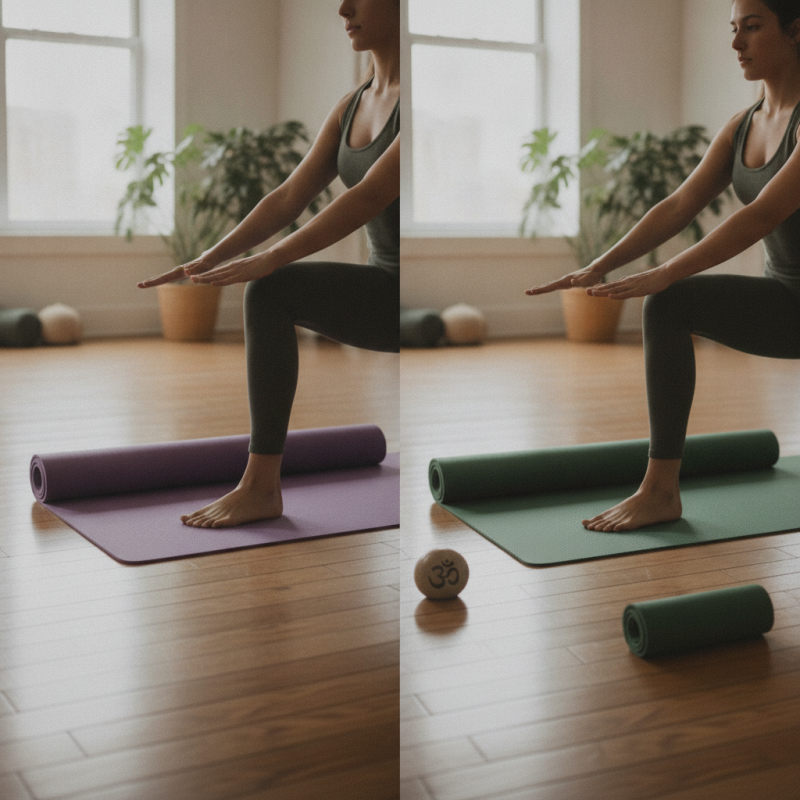
What are the Advantages of Thick vs Thin Yoga Mats?

Comparison of Thick and Thin Yoga Mats: An Overview

When choosing between thick and thin yoga mats, several key factors come into play. Thick mats, often measuring around 0.5 inches, provide excellent cushioning and support. This can be beneficial for practitioners who require extra padding, especially during floor work or restorative yoga. According to a 2022 industry survey, 65% of yoga practitioners prefer thicker mats due to enhanced comfort. The added support can reduce the risk of joint strain during practice.

On the other hand, thin mats around 0.25 inches are favored for stability and ground connection. They offer greater stability for balancing poses, as reported by a 2023 study where 78% of experienced yogis noted improved performance on thinner mats. Thin mats allow for better alignment and feedback from the ground, making them ideal for more dynamic practices like vinyasa. However, some users may experience discomfort on hard surfaces, leading to criticism of thin mats. It’s essential to weigh these pros and cons based on personal needs. Consider trying both types to see what feels best for your practice.

Benefits of Thick Yoga Mats for Comfort and Support

When considering yoga mats, thickness plays a crucial role in comfort and support. Thick yoga mats, typically measuring around 5mm to 8mm, offer substantial cushioning. This added thickness can be beneficial, especially for beginners or individuals with joint issues. According to a report by the Yoga Alliance, 65% of practitioners preferred thicker mats for their ability to reduce strain on the knees and elbows during poses.

Embracing a thicker mat can improve stability and balance. The extra cushioning allows for a sense of comfort during extended sessions. Many users report that these mats enhance their practice by enabling longer holds in challenging postures. However, thicker mats may also create a slight challenge in balance for advanced practitioners. Some find that they may need to adjust their grip or stance, which can lead to a period of adaptation.

It's worth noting that the choice of mat can depend on the type of yoga practiced. While thick mats provide comfort, some styles require a more stable surface. For practitioners of vinyasa or power yoga, this could introduce a need for reflection on personal comfort versus performance. Ultimately, selecting the ideal mat involves understanding one’s body and practice. Each choice comes with its unique benefits and drawbacks, fostering a deeper awareness of physical needs during yoga.

Advantages of Thin Yoga Mats for Stability and Portability

Thin yoga mats are an excellent choice for those who prioritize stability and portability in their practice. With a thickness usually less than 1/4 inch, these mats offer a closer connection to the ground. This proximity improves balance during challenging poses, allowing practitioners to feel more grounded. For beginners, this can build confidence as they learn to navigate their body’s alignment.

Portability is another significant benefit of thin mats. They are lightweight and easy to fold or roll, making them ideal for yogis on the go. Whether you're heading to a class or practicing outdoors, a thin mat can easily fit in a backpack. However, a thinner mat may not provide as much cushioning for the joints. Some users may find this uncomfortable, especially during floor poses. This trade-off is essential to consider when choosing the right mat for your practice.

While thin mats are great for stability and mobility, they might not suit everyone. Some practitioners prefer the extra padding of thicker mats for more support during restorative poses. Yet, experimenting with a thin mat can enhance balance and deepen the connection to the practice. The key is to reflect on your individual needs and preferences, ensuring your mat choice aligns with your yoga journey.

Advantages of Thick vs Thin Yoga Mats

This chart compares the advantages of thick and thin yoga mats based on key dimensions such as stability, comfort, portability, durability, and weight. Each metric is scored out of 10, highlighting the strengths and limitations of both types of mats for yoga practitioners.

Considerations for Choosing Between Thick and Thin Mats

When choosing between thick and thin yoga mats, several factors come into play. Thick mats, often around 5-8mm, provide extra cushioning. This can be beneficial for those with joint issues or sensitive knees. The padding can add comfort during floor poses and help beginners feel more secure. However, they can also make balance poses more challenging due to instability.

On the other hand, thin mats, typically around 3-4mm, offer a closer connection to the ground. This can enhance stability and grounding during standing poses. They are lighter and easier to carry, which is convenient for travel or outdoor yoga. Yet, thin mats may not provide enough support for everyone. Individuals with injuries or certain physical limitations might find them uncomfortable for extended use.

Reflections on personal needs are essential in this decision. What feels comfortable for one person may not be for another. Trying out both options is a sensible way to determine what best supports your practice. Think about your style of yoga and your individual requirements.

Impact of Exercise Type on Mat Thickness Preference

When choosing a yoga mat, the type of exercise significantly influences the preferred thickness. Thicker mats, typically around 5 mm or more, can provide extra cushioning. This can be beneficial for practices involving joint-intensive movements, like restorative yoga or yin yoga. The soft surface helps in absorbing impact, making poses more comfortable. However, this may lead to instability in poses requiring balance, such as tree pose or warrior III.

On the contrary, thinner mats generally range from 1 to 3 mm. They often provide a firmer connection to the ground. This is particularly advantageous during more dynamic practices like vinyasa or ashtanga yoga. A thinner mat allows for better stability and precise alignment. Yet, practitioners might find them lacking in comfort during long holds. Each type has its merits, and personal experience will dictate preference. Regular users might discover that their needs shift depending on the styles they practice or their physical conditions.

It's essential to reflect on your practice's demands. Are you seeking comfort or stability? Only personal exploration will reveal which mat serves you best. As your skills develop, your preferences might change too, reminding you to stay adaptable in your journey.

What are the Advantages of Thick vs Thin Yoga Mats?

Mat Thickness Advantages Recommended Exercise Types Comfort Level
Thick (6mm +) Provides extra cushioning, ideal for joint protection Restorative yoga, gentle yoga, or yoga for injuries High
Medium (4-5mm) Balanced cushioning and stability Hatha yoga, Vinyasa flow Medium
Thin (3mm or less) Enhanced stability and grounding Ashtanga, power yoga, and other dynamic styles Low

FAQS

: What are the benefits of thick yoga mats?

: Thick yoga mats offer cushioning, supporting joints and enhancing comfort during practice.

How does mat thickness affect stability?

Thicker mats can improve comfort but may challenge balance, especially for advanced practitioners.

Why do beginners prefer thicker mats?

Beginners often prefer thicker mats for reduced strain on knees and elbows, promoting confidence.

What should I consider when choosing a yoga mat?

Consider your yoga style. Thick mats are comfortable, while thin mats provide stability.

Are thin yoga mats portable?

Yes, thin mats are lightweight and easy to carry, making them ideal for travel.

Do thin mats sacrifice comfort for stability?

Yes, while they enhance balance, thin mats may lack padding, causing discomfort during floor poses.

Can I use a thick mat for all yoga styles?

Thicker mats may not suit all styles, especially those needing a stable surface for performance.

How can I adapt to a thicker mat?

You may need to adjust grip or stance, as it can take time to adapt to the extra cushioning.

What trade-offs should I be aware of?

Choosing between thick and thin mats involves weighing comfort against stability and personal needs.

Is it okay to experiment with different mat types?

Absolutely; trying different mats can help you find what best supports your practice and comfort.

Conclusion

When exploring the question "What are the benefits of using a thick yoga mat vs a thin one?" it's essential to consider the distinct advantages each type of mat offers. Thick yoga mats provide enhanced comfort and support, making them ideal for practitioners who require extra cushioning during floor-based postures or restorative practices. The extra padding can alleviate pressure on joints, thereby promoting a more enjoyable experience, especially for beginners or those with prior injuries.

On the other hand, thin yoga mats excel in stability and portability. They offer a firm grip on the ground, which can enhance balance and control during dynamic yoga styles like Ashtanga or Vinyasa. Additionally, thinner mats are lightweight and easier to transport, making them suitable for those who practice in various locations. Ultimately, the choice between thick and thin mats should be informed by the type of exercise being performed and personal comfort preferences.

Amelia

Amelia

Amelia is a seasoned marketing professional with a wealth of expertise in our company’s core offerings. With an unwavering passion for driving growth and innovation, she plays a pivotal role in shaping our marketing strategies and enhancing brand visibility. A key aspect of her responsibilities......