When it comes to fitness, having the right equipment is essential. Jump ropes, for instance, need to fit your height for optimal performance. Expert trainer Sarah Thompson, a renowned fitness coach, once said, "A jump rope that fits properly can make all the difference in your workout." Understanding how to adjust a jump rope for your height is crucial for effectiveness and safety.
Getting the right length is not just about preference; it's about efficiency. If the rope is too long, it can slow you down. If it's too short, you risk tripping over it. Many fitness enthusiasts overlook this simple adjustment but it can hinder progress. With a properly sized jump rope, you'll discover improved coordination and rhythm. This is not just a technical adjustment; it's a game-changer.
If you’ve struggled with your jump rope skills, the answer might be as simple as adjusting its length. Take time to measure and customize your jump rope to your height. Always remember, an appropriate fit is vital. As you adapt, reflect on your progress and embrace the adjustments. Finding the right fit can transform your workouts and enhance your overall fitness journey.
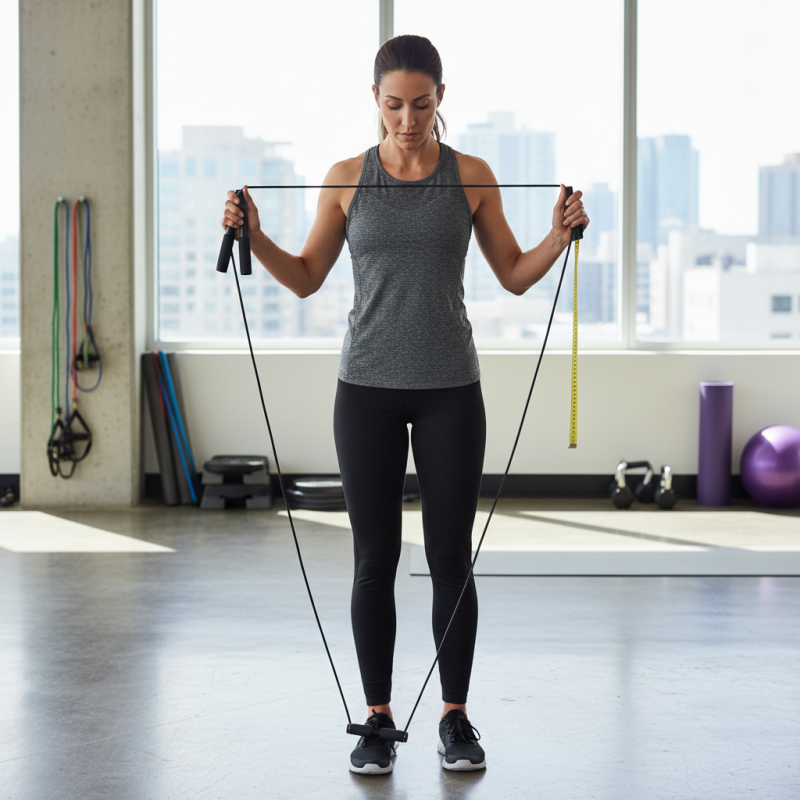
Choosing the right jump rope length for your height can significantly impact your skipping experience. The general guideline is to choose a rope that reaches your armpits when you stand on its center. However, this rule may not fit everyone perfectly. Your skill level and jumping style matter, too. A beginner may prefer a slightly longer rope, while an advanced jumper might like a shorter one for faster movement.
To find your ideal rope length, measure from the top of your head down to the ground. For a more detailed approach, hold the jump rope handles and pull the rope tight along your sides. The handles should reach your armpits. If the rope feels too short, you might trip over it. If it’s too long, it can slow you down. It’s a bit of a trial and error process, requiring adjustments. Don’t be afraid to experiment until you find what feels comfortable for you. Remember, the best length can vary based on your jumping style and personal preference. Keep refining your choice.
Measuring your height accurately is crucial for effective jump rope adjustment. To start, find a flat surface against a wall. Remove your shoes and stand straight, ensuring your heels, back, and head touch the wall. Use a flat object or ruler to mark where the top of your head meets the wall. This simple method will give you an accurate height measurement.
Once you have your height, adjust the jump rope accordingly. A common guideline is to multiply your height by a specific factor. However, individual preferences vary. Some might prefer slightly longer ropes for smoother swings, while others opt for shorter lengths for faster movements. Always try out your adjusted rope after measuring. If it feels off, don’t hesitate to make further adjustments.
Remember, the right fit can enhance your jump rope experience, but getting there might take some trial and error. It’s essential to listen to your body and make refinements as needed. The process can be frustrating, but persistence pays off as you find the optimal length for your jumps.
Adjusting the jump rope handles is crucial for an effective workout. The correct height ensures a smooth and efficient jump. Professionals recommend that the rope be adjusted based on your height to enhance performance and reduce the risk of injury. When you step on the rope's center, the handles should reach your armpits. This simple measurement can make a significant difference.
According to a study published by the Journal of Sports Science, using a properly adjusted jump rope can increase coordination and endurance. In fact, athletes who adjust their jump ropes perform 20% better in speed tests. This indicates that even small changes can lead to improved performance. Improper adjustments can lead to fatigue and frustration during workouts.
It's important to test the adjustments. Some may find that the rope feels too long or too short after initial adjustments. Don’t hesitate to make further tweaks. Experimentation is key. Keep safety in mind; improper use can lead to strain. Pay attention to your body’s signals and adjust accordingly. Finding the perfect fit may require patience and repeated adjustments, but the benefits are undeniable.
After adjusting your jump rope, testing the length is crucial for effective workouts. Hold the handles and step on the rope's center. The handles should reach your armpits or just below. This simple check ensures you have the right length for your height.
If the rope feels too long, you might trip over it. A rope that is too short can limit your jumps and increase the chance of injury. It's vital to make incremental adjustments. Try jumping a few times after each adjustment. Feel the difference in your rhythm and control. A properly fitted jump rope enhances your performance.
Sometimes, optimal length varies with different jump techniques. Some prefer shorter ropes for speed. Others need longer ropes for tricks. Take notes after each practice session. Reflect on what works best for you. Each adjustment is a step toward improvement.
When adjusting a jump rope, avoid common pitfalls for the best results. One frequent mistake is not aligning the handles to your body correctly. Stand on the rope’s center and pull the handles up. They should reach your armpits or slightly above. If the rope is too long, it will hit the ground heavily, affecting your rhythm and form.
Another mistake is neglecting the rope's material and flexibility. A jump rope made from heavy material may require different adjustments. This can lead to unnecessary tension in your wrists. If you feel discomfort while jumping, your adjustments may be off. Pay attention to how the rope feels during your workout. If it drags or feels unresponsive, re-evaluate the length.
Lastly, jumping with an improperly adjusted rope can lead to injuries. Strains and sprains are common if your setup is incorrect. Before each session, double-check your adjustments. Taking the time to ensure proper length can enhance your performance and prevent minor injuries. Remember, jump rope adjustments are a personal journey. Keep experimenting until you find what feels just right for you.
: Stand against a wall, remove shoes, and ensure your heels, back, and head touch the wall.
Use a flat object or ruler to mark the top of your head where it meets the wall.
Multiply your height by a specific factor, but remember personal preferences may vary.
Don’t hesitate to make further adjustments until it feels comfortable for you.
Step on the rope’s center; if handles reach your armpits, they should be properly adjusted.
It can improve coordination and endurance, potentially increasing speed by 20%.
Pay attention to your body’s signals. Adjustments may take patience and repeated tweaks.
It can be tough to find the right fit initially, leading to fatigue and errors.
Yes, experimenting with the length ensures comfort and efficiency in your jumps.
Yes, wrong length can cause strain and hinder performance during workouts.
Adjusting a jump rope for your height is crucial to ensure an effective and safe workout. To start, it's important to choose the right jump rope length based on your height and to measure your height accurately to make precise adjustments. Once you have the correct length, you’ll need to adjust the jump rope handles accordingly to fit your height, allowing for optimal grip and maneuverability.
After making these adjustments, testing the jump rope length is essential to confirm that it meets your requirements. Avoiding common mistakes, such as overestimating your height or failing to test the adjustments, will help you maximize your jump rope experience. By following these steps, you can confidently learn how to adjust a jump rope for your height, enhancing your workout efficiency and enjoyment.

ProGear Sport